

Coblation Turbinate Reduction for Chronic Nasal Obstruction
Chronic nasal obstruction is a common problem in ENT practice. Enlarged inferior turbinates are one of the common causes, especially in patients with allergic or non-allergic rhinitis.
When medication does not provide enough relief, inferior turbinate reduction may be considered. Coblation is one minimally invasive technique used to reduce enlarged turbinate tissue while preserving the nasal mucosa.
What Is Coblation Turbinate Reduction?
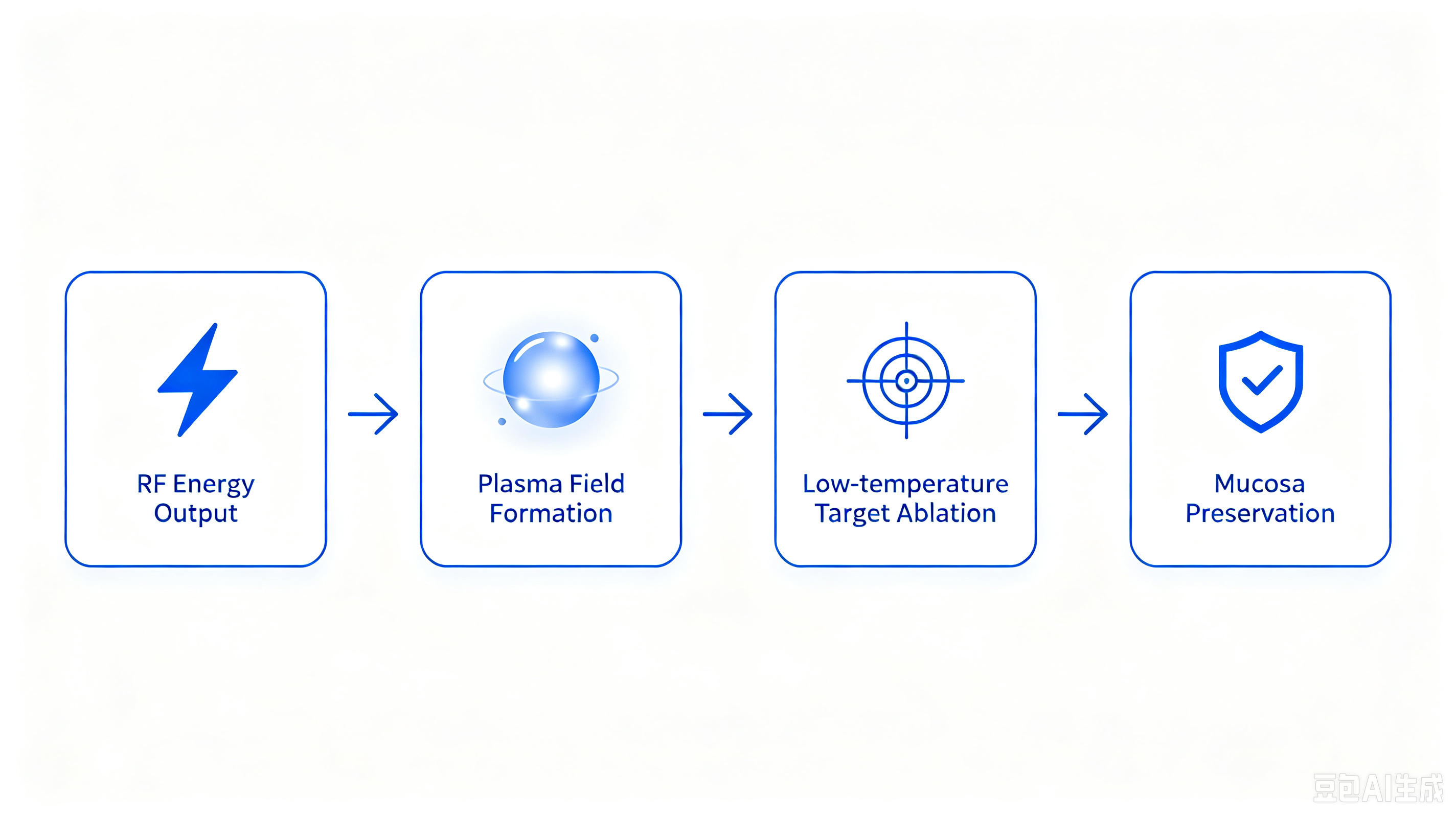
Coblation turbinate reduction uses a specialized wand to deliver bipolar radiofrequency energy to the submucosal tissue of the inferior turbinate.
The energy interacts with saline to create a localized plasma field around the electrode. This allows the surgeon to treat the target tissue at relatively low temperatures, generally around 40–70°C depending on the system and operating conditions.
The goal is to reduce turbinate volume while limiting unnecessary thermal injury to the surrounding tissue.
Because the treatment is performed beneath the mucosal surface, the technique is designed to preserve the overlying mucosa, which plays an important role in normal nasal function.
When Is It Used?
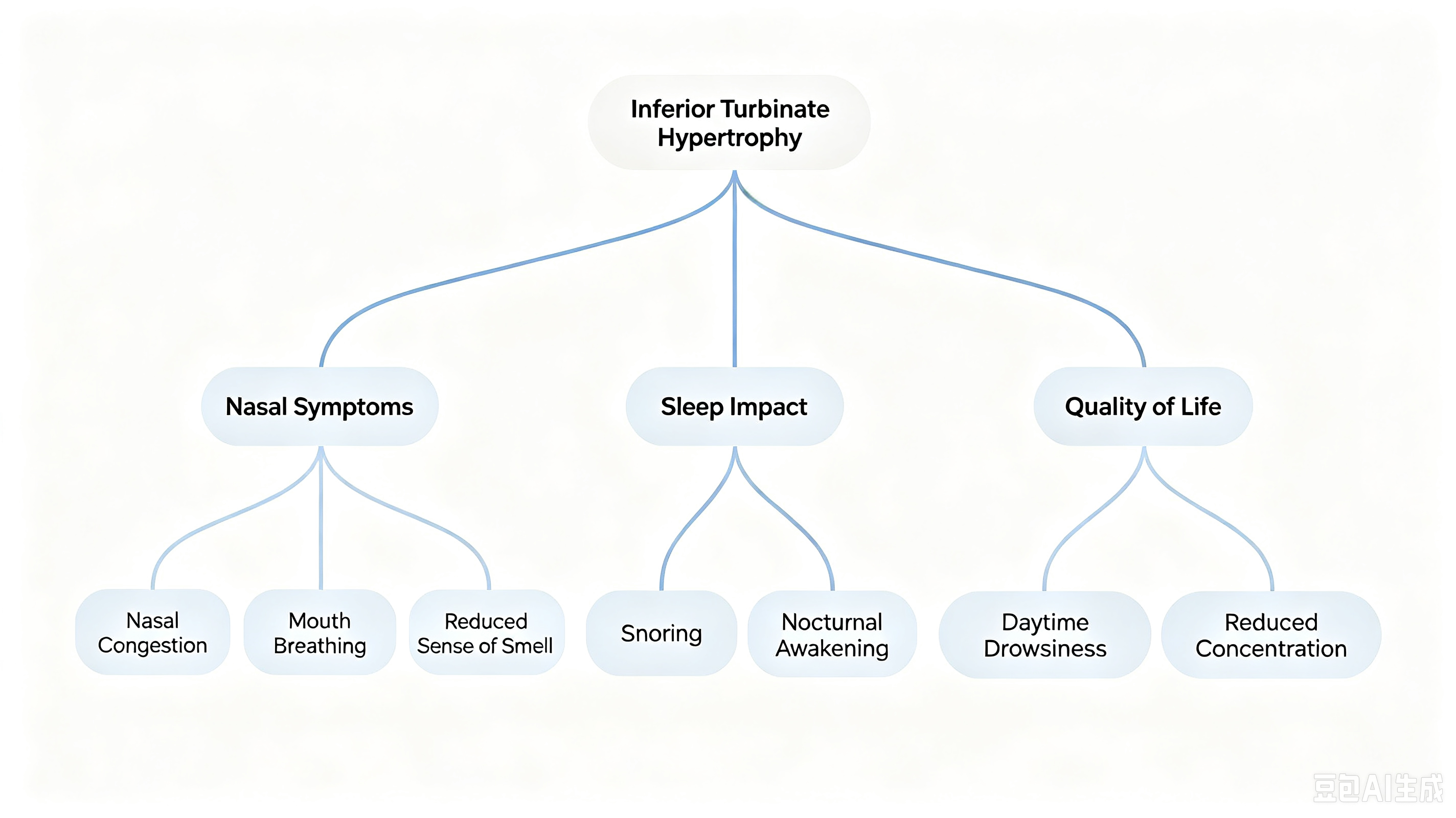
Inferior turbinate reduction may be considered when enlarged turbinates cause persistent nasal obstruction despite appropriate medical treatment.
Common symptoms include:
· Nasal congestion
· Difficulty breathing through the nose
· Mouth breathing
· Nasal obstruction during sleep
· Reduced quality of life
Before surgery, the ENT specialist should identify the cause of the obstruction. Nasal examination or endoscopy may be used to evaluate turbinate enlargement and other conditions such as septal deviation or nasal polyps.
Potential Benefits of Coblation
Mucosa-Sparing Treatment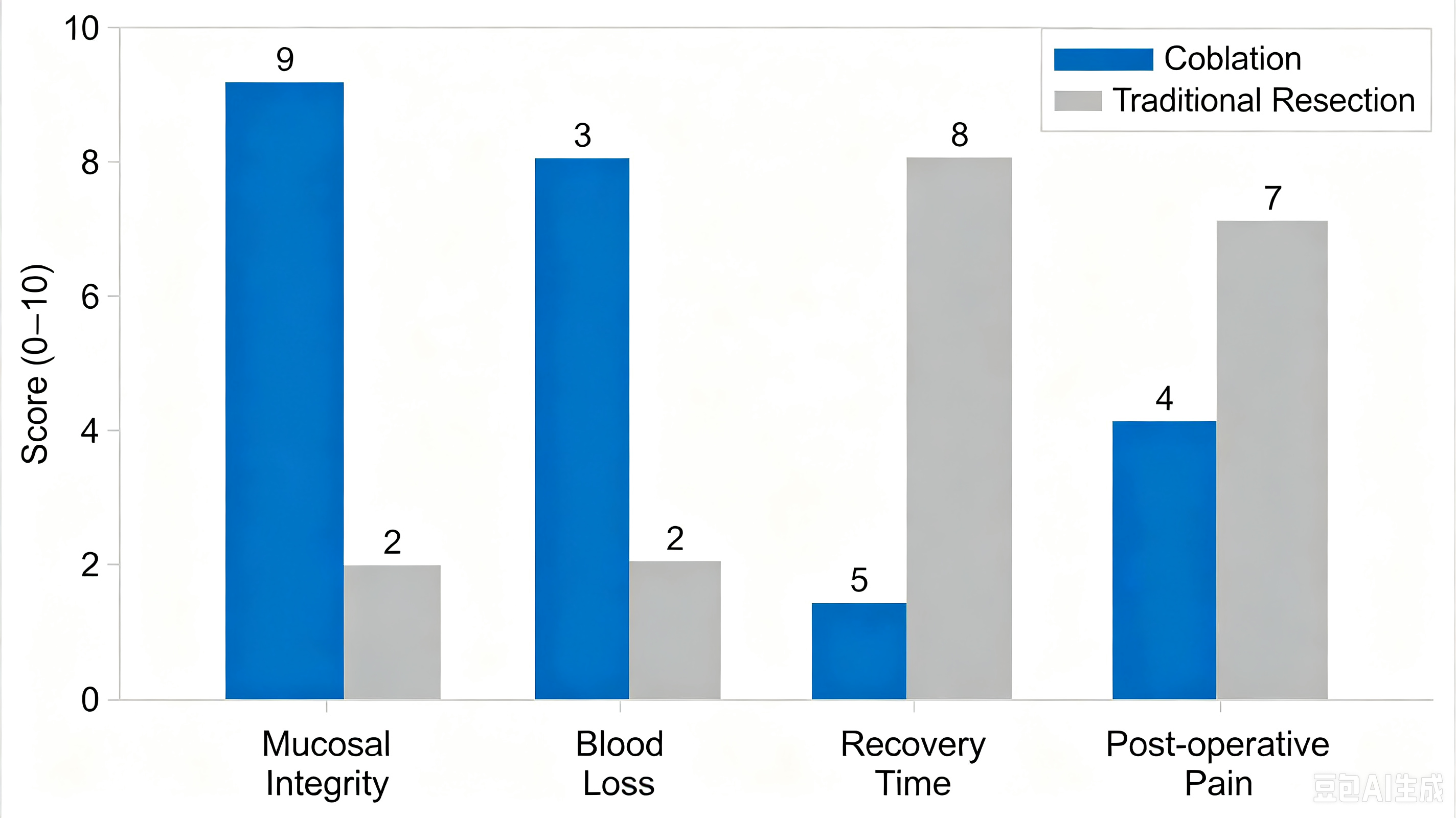
Coblation can reduce submucosal tissue while preserving the surface mucosa. This is important when treating the inferior turbinates.
Controlled Tissue Reduction
The localized plasma field allows the surgeon to target hypertrophied tissue without removing the entire turbinate.
Hemostasis
Coblation provides tissue ablation and coagulation in the same procedure, which can help control bleeding and maintain a clear surgical field.
Recovery
Studies have shown that Coblation can improve nasal obstruction, and some studies have reported favorable postoperative comfort and healing compared with certain other techniques.
However, results vary between patients and surgical techniques.
Coblation vs. Microdebrider
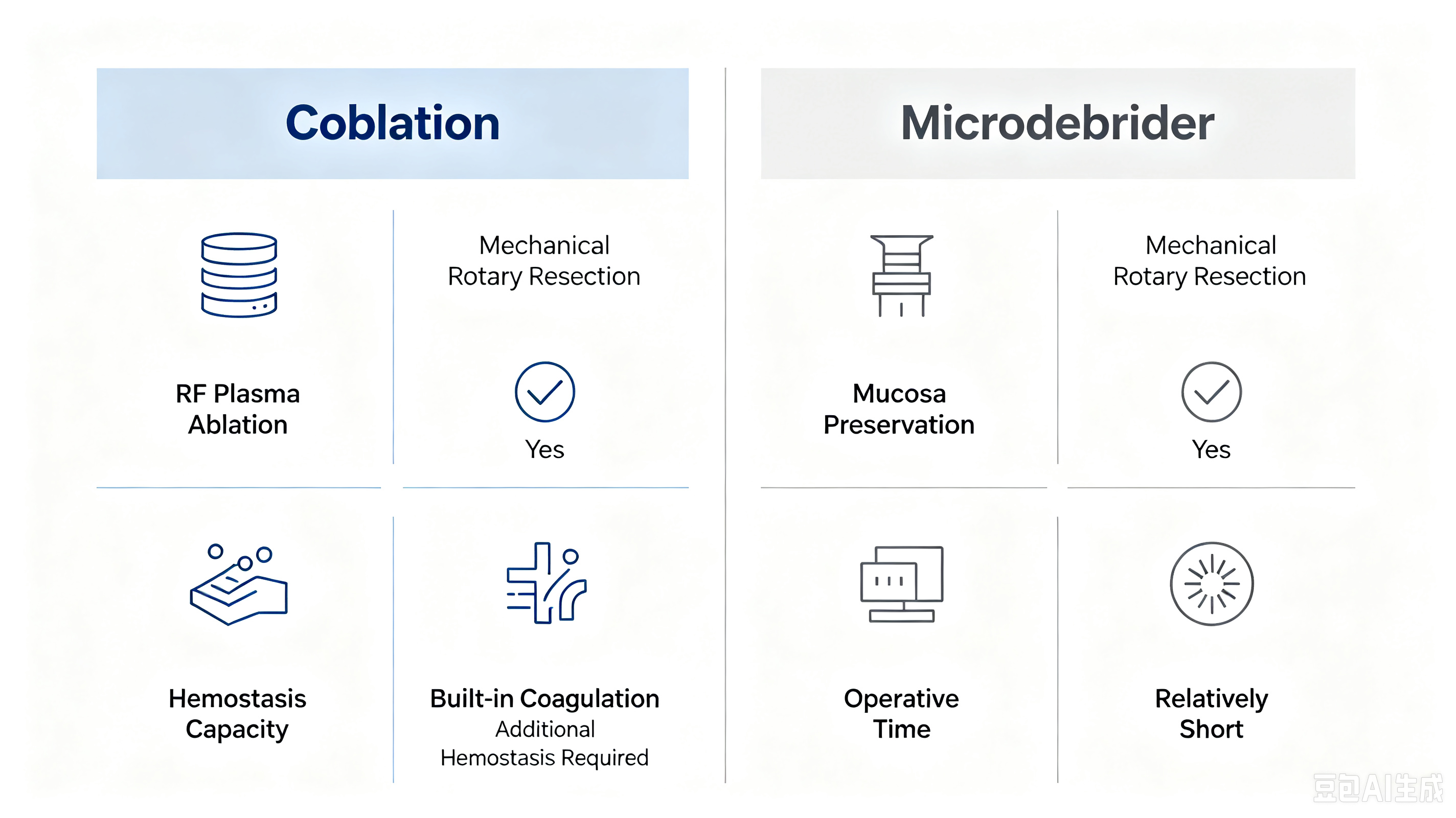
Coblation and microdebrider-assisted turbinoplasty are both used for inferior turbinate reduction.
Feature | Coblation | Microdebrider |
Tissue treatment | RF plasma ablation | Mechanical removal |
Approach | Submucosal | Submucosal |
Mucosal preservation | Yes | Yes |
Suction | Often integrated | Integrated |
Hemostasis | Coagulation available | Usually separate |
Both techniques can improve nasal obstruction. The choice depends on the patient's anatomy, the treatment objective, available equipment, and surgeon experience.
Recovery After Coblation Turbinate Reduction
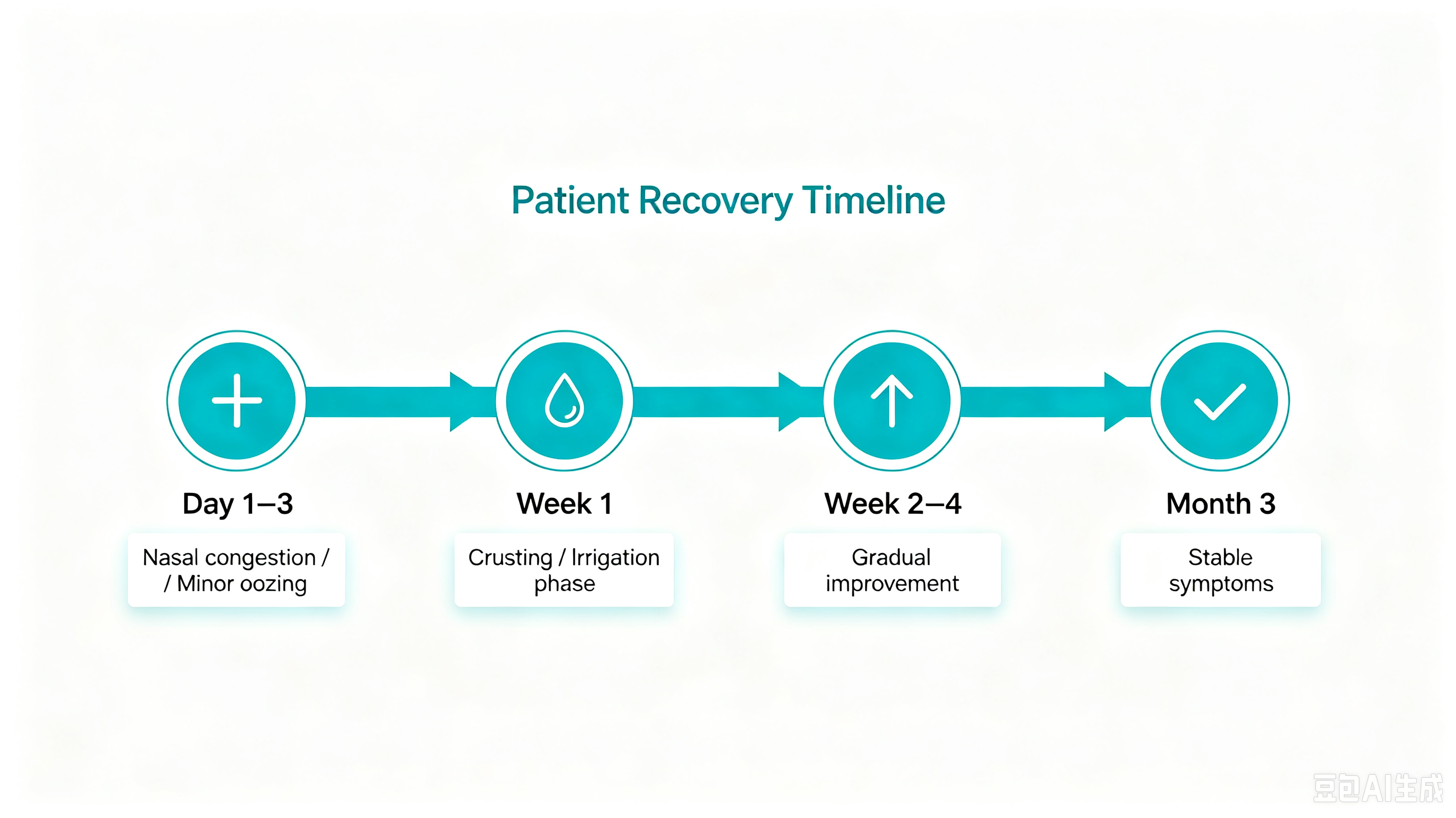
Recovery is generally straightforward, but temporary nasal symptoms are common.
During the first few days, patients may experience:
· Nasal congestion
· Mild swelling
· Crusting
· Small amounts of blood-tinged discharge
Nasal breathing usually improves gradually as the tissue heals.
Saline irrigation is often recommended during recovery. Patients should follow their ENT specialist's instructions regarding medication, activity, and follow-up care.
Is Coblation Turbinate Reduction Safe?
Coblation turbinate reduction is a commonly used minimally invasive option for inferior turbinate hypertrophy.
Possible complications include bleeding, crusting, infection, temporary congestion, mucosal injury, and persistent or recurrent nasal obstruction.
Using an appropriate technique and avoiding excessive tissue removal are important for maintaining normal nasal function.
Choosing a Coblation Wand
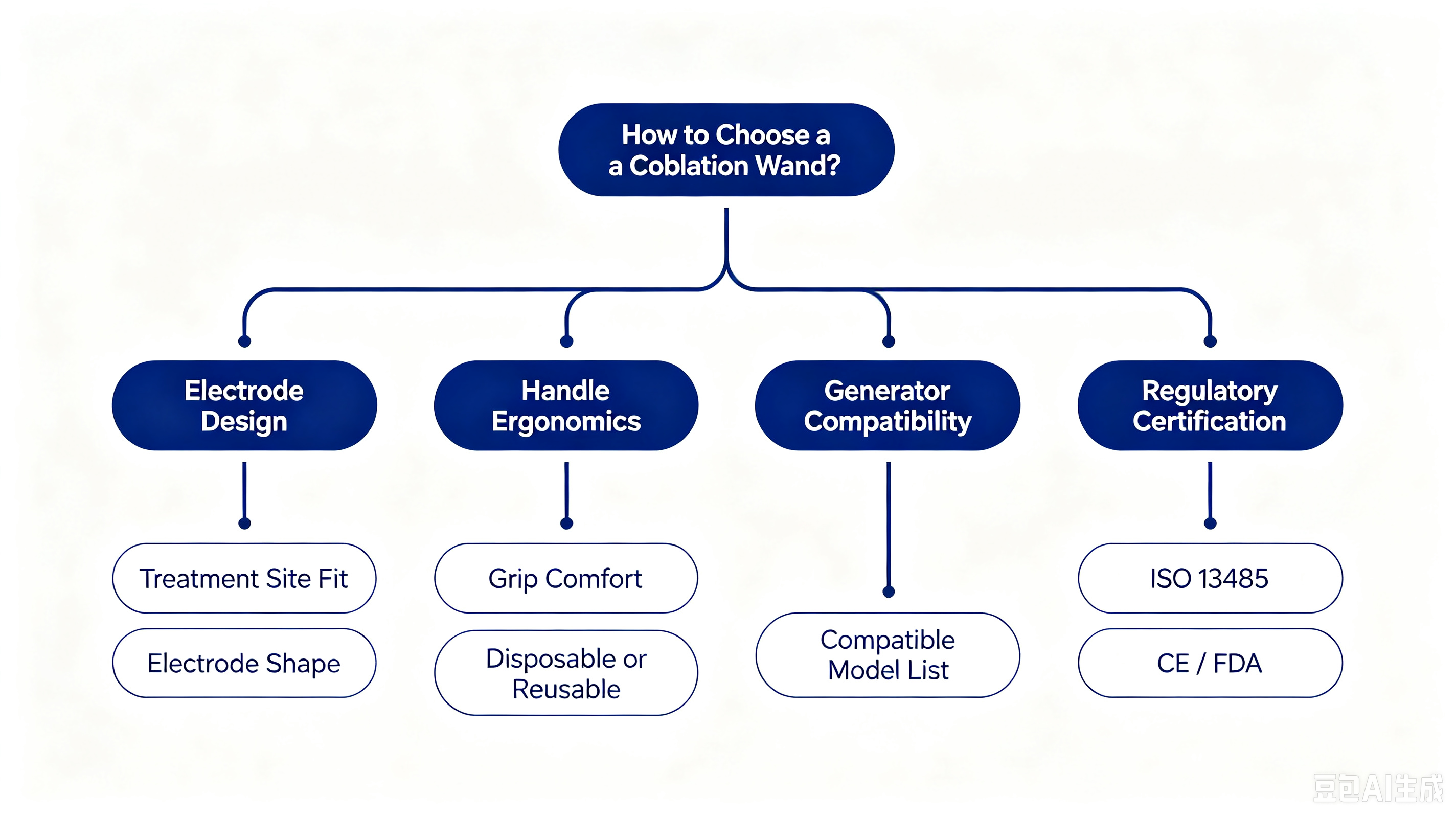
For hospitals and ENT surgeons, the design of the Coblation wand is an important consideration.
Key factors include:
· Electrode design
· Treatment area
· Suction and irrigation
· Generator compatibility
· Handle ergonomics
· Disposable configuration
· Quality and regulatory documentation
A wand designed for inferior turbinate procedures may have different electrode characteristics from wands designed for tonsil, adenoid, or other ENT procedures.
For distributors and medical device partners, ISO 13485 certification, product specifications, regulatory documentation, and registration support may also be important when evaluating a supplier.
Conclusion
Coblation turbinate reduction provides ENT surgeons with a minimally invasive method for reducing enlarged inferior turbinate tissue.
Its relatively low-temperature bipolar radiofrequency energy, submucosal approach, and integrated coagulation capabilities make it a useful option for selected patients with persistent nasal obstruction.
The appropriate technique should be selected according to the patient's condition, treatment goals, and surgeon experience.
ENT&PAIN develops and manufactures Coblation wands and radiofrequency plasma surgical electrodes for ENT and minimally invasive procedures. We support hospitals, distributors, and medical device partners with product supply, OEM/ODM solutions, and regulatory documentation for international markets.
For Coblation wand specifications, generator compatibility, or OEM/ODM cooperation, contact the ENT&PAIN team.