

How to Choose a Coblation Electrode for ENT Surgery
Introduction
A Coblation electrode, also known as a Coblation wand, is designed to remove or ablate soft tissue using radiofrequency energy in a saline environment. Coblation is widely used in ENT surgery, including tonsillectomy, adenoidectomy, turbinate reduction, and selected procedures involving the soft palate and airway.
Not all Coblation electrodes are designed for the same procedure. The shape of the electrode, working length, suction and irrigation design, and generator compatibility can all affect how the device performs during surgery.
So how do you choose the right Coblation electrode for ENT surgery?
The best starting point is not the brand or price. It is the procedure you need the electrode to perform.
1. Start With the Procedure
Different ENT procedures require different levels of tissue access, ablation, and coagulation. An electrode that works well for tonsillectomy may not be the best choice for turbinate or laryngeal procedures.
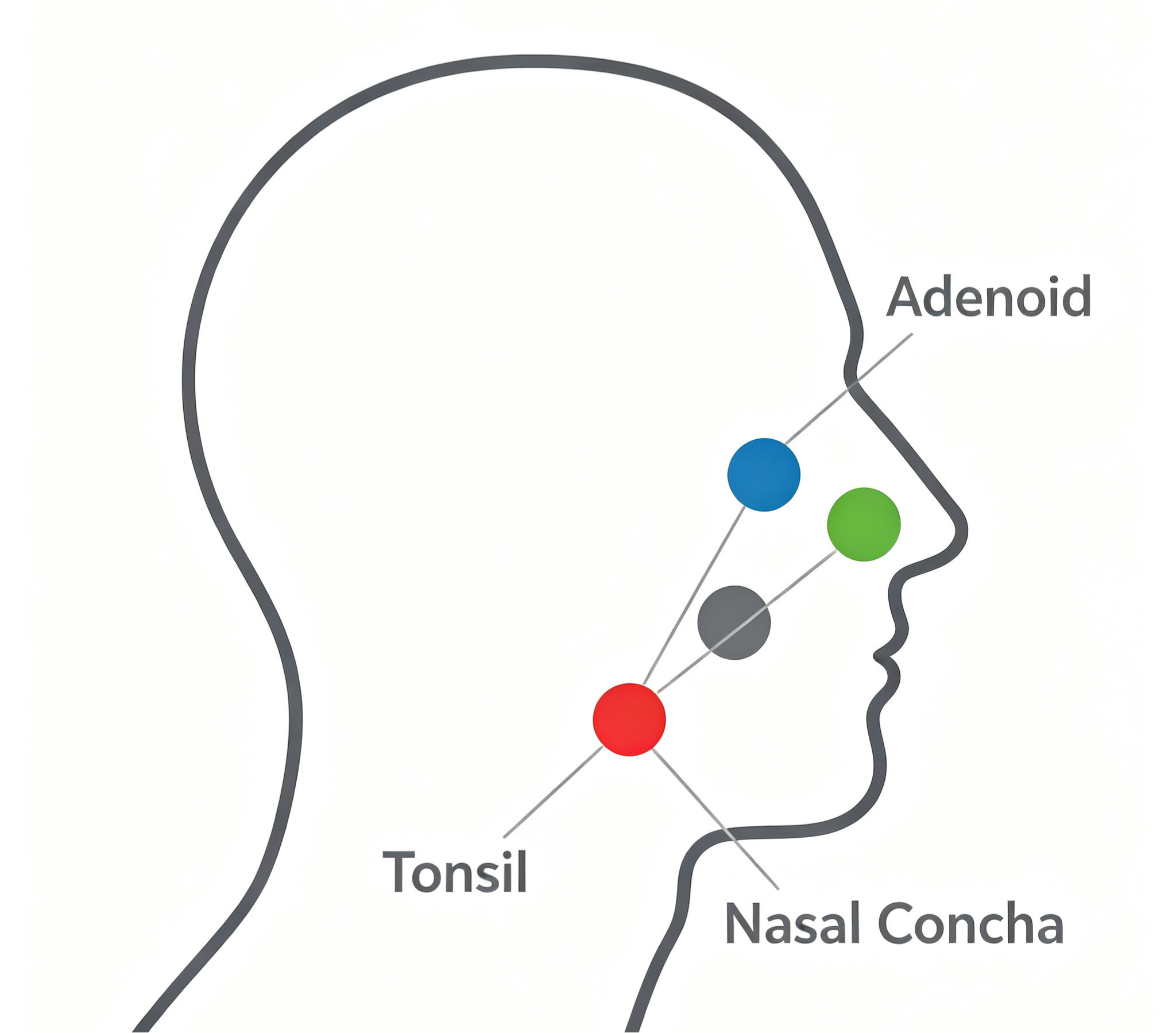
Common ENT applications include:
Procedure | What to Consider |
Tonsillectomy | Tissue removal, coagulation, and access to the tonsillar fossa |
Adenoidectomy | Tip shape, visibility, and access to the nasopharynx |
Turbinate reduction | Controlled submucosal tissue reduction and access to the turbinate |
Soft palate procedures | Electrode size, working length, and precise tissue treatment |
Laryngeal procedures | Working length, shaft flexibility, and access to narrow anatomy |
If your department performs several types of ENT surgery, it may be more practical to choose a system with several electrode options rather than relying on a single design.
2. Look at the Electrode Design
Once you know the procedure, compare the actual design of the Coblation wand.
Electrode Tip
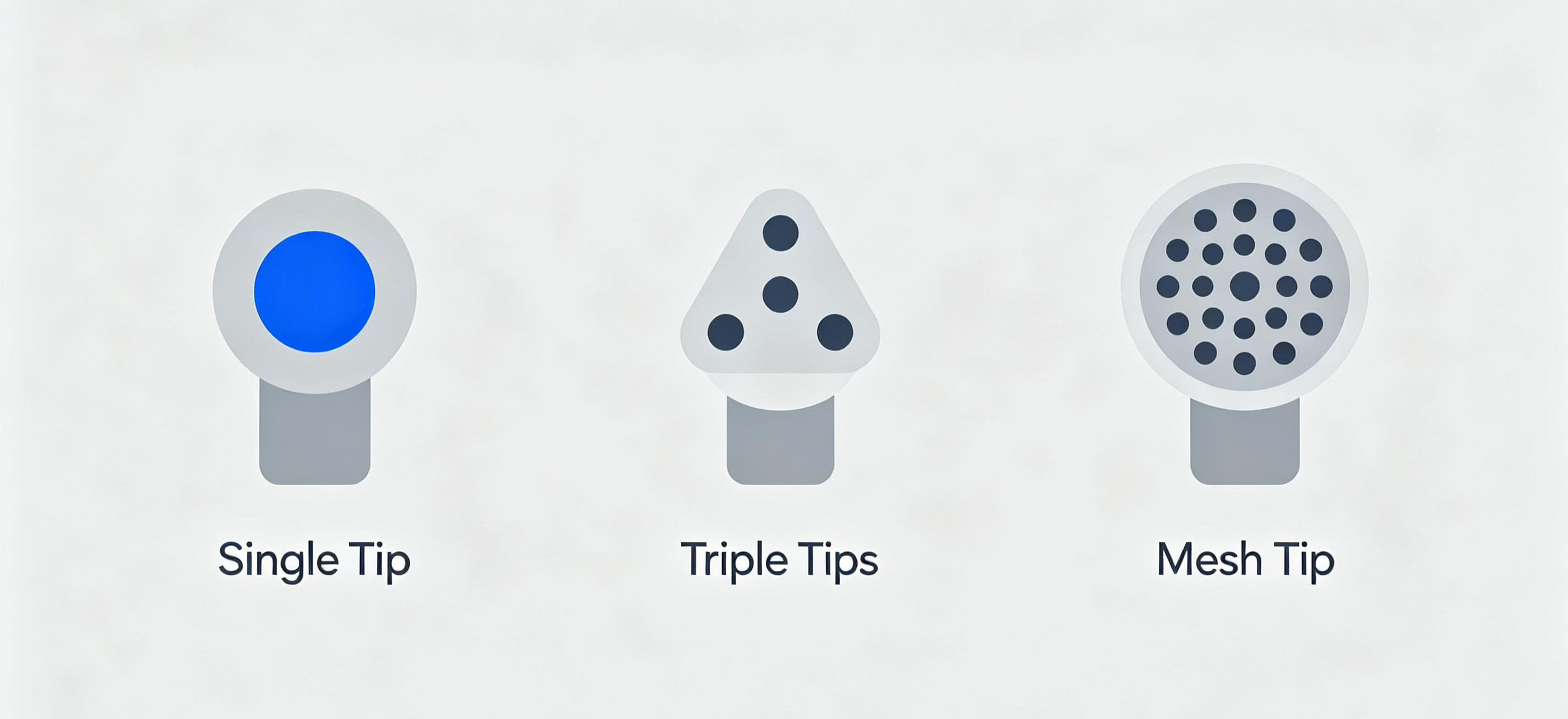
The active tip determines how energy is delivered to the tissue. Different designs may provide different levels of tissue removal and coagulation.
For example, a larger active area may be useful when treating a relatively large amount of tissue, while a smaller or more focused tip can provide better control in confined areas.
The right design depends on the surgical site and the technique used by the surgeon.
Shaft Length and Flexibility
Working length is another important consideration.
A shorter shaft may be suitable for oral and oropharyngeal procedures, while longer or flexible designs may provide better access to deeper or more difficult anatomical areas.
A malleable shaft can also give the surgeon more control when approaching tissue from different angles.
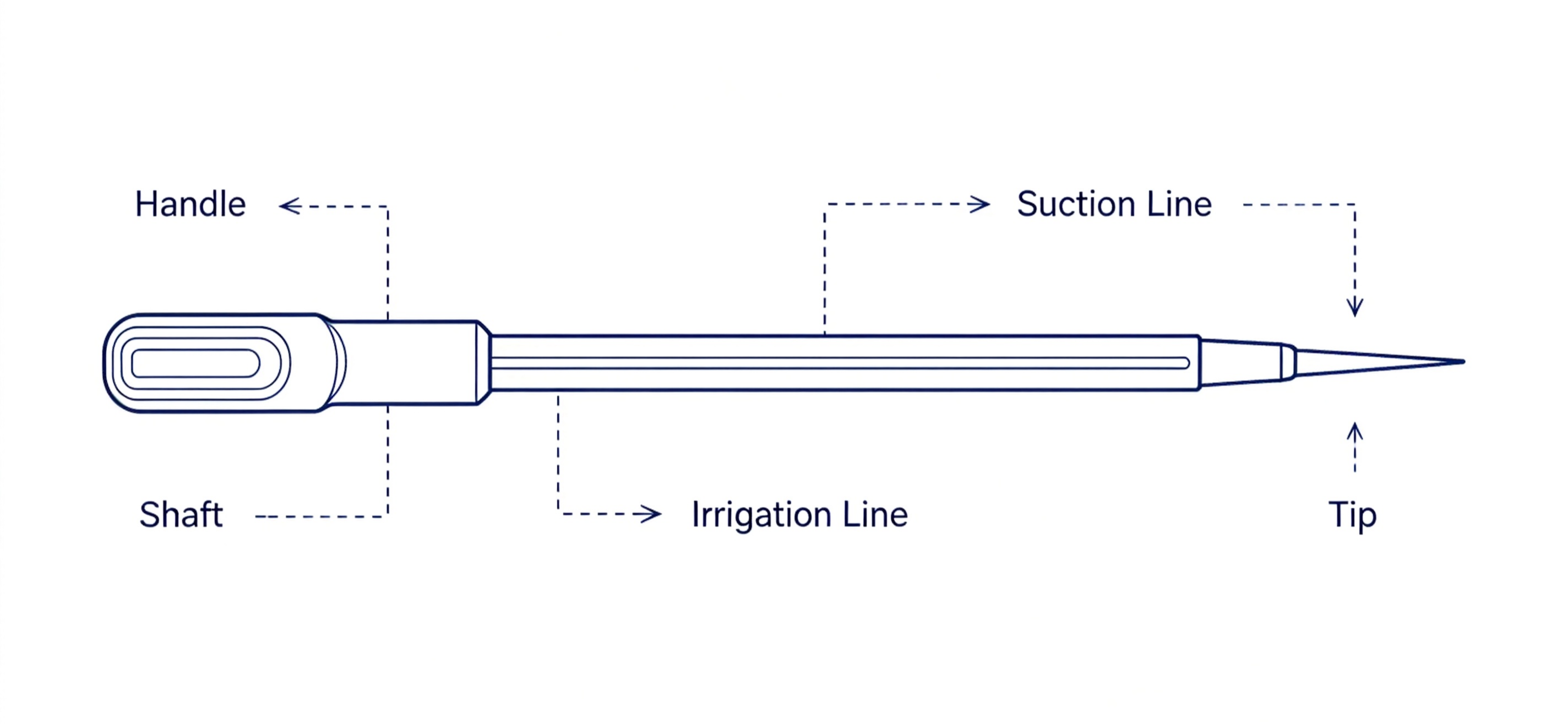
Suction and Irrigation
Many Coblation wands combine irrigation and suction in the same device.
Saline provides the conductive medium required for the Coblation process, while suction helps remove fluid, blood, and tissue debris.
A well-designed irrigation and suction system can help maintain a clear surgical field and reduce interruptions during the procedure.
3. Check Generator Compatibility
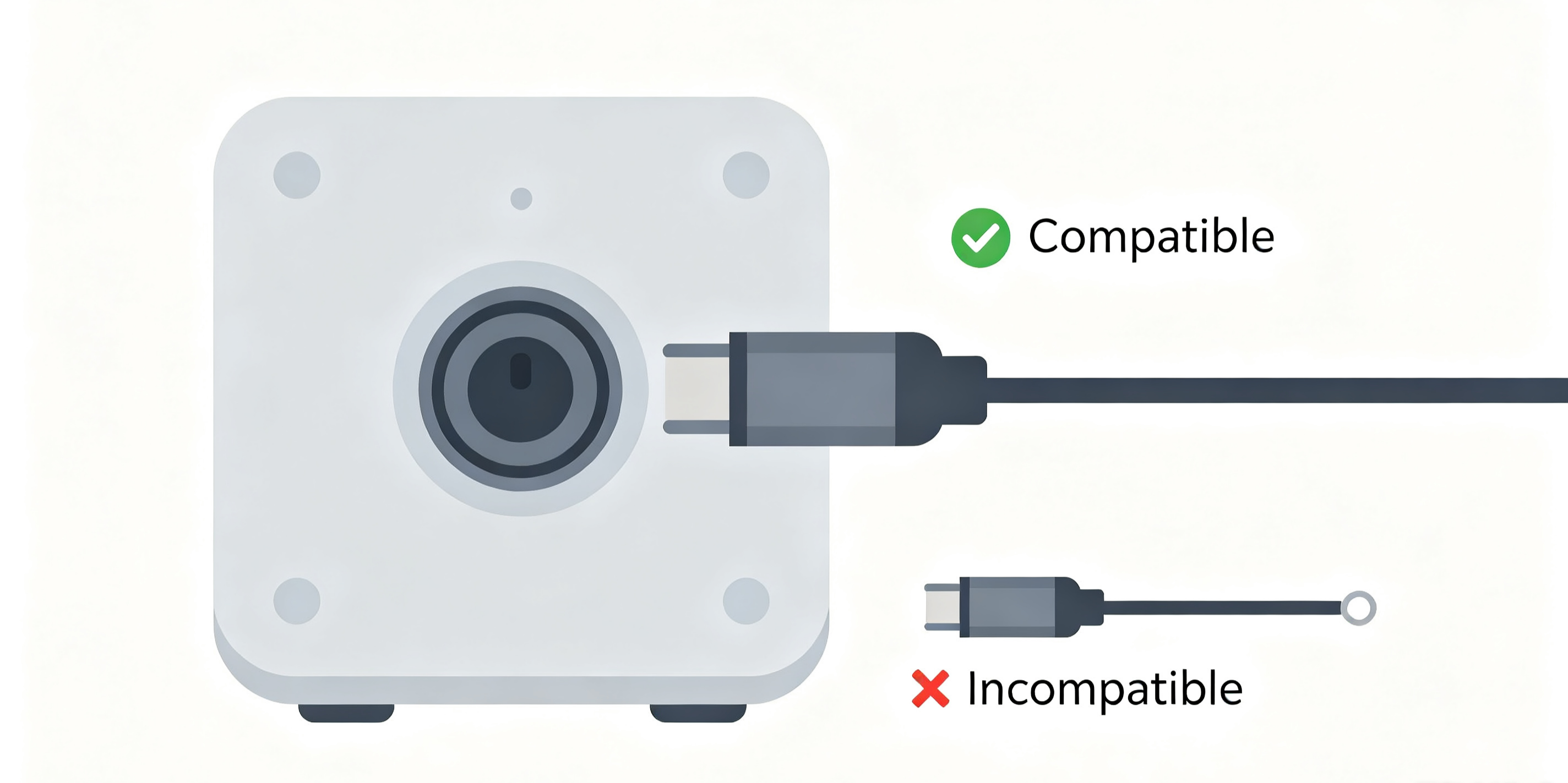
Not every Coblation electrode can be used with every RF generator.
Before purchasing, confirm:
· Which generator the electrode is designed for
· Whether the connector is compatible
· Which operating modes are supported
· Whether irrigation and suction are integrated
· Whether the complete system has the required regulatory approvals
This is particularly important for hospitals that already have an RF or Coblation generator. Buying an electrode without confirming compatibility can create unnecessary costs.
4. Consider Tissue Removal and Coagulation
A Coblation electrode is not only used for tissue ablation. Depending on the design and system, it can also provide coagulation during surgery.
When comparing electrodes, consider how well the device performs the two functions required for your procedure:
Tissue removal:
Can the electrode remove the target tissue at the desired rate and level of control?
Coagulation:
Can it provide adequate bleeding control for the procedure?
The balance between ablation and coagulation is more important than simply choosing the electrode with the highest power output.
5. Think About the Cost Per Procedure
For hospitals, the purchase price of the generator is only part of the overall cost.
Most Coblation electrodes are single-use devices, so the cost of the electrode itself should be considered over the expected number of procedures.
When comparing suppliers, look at:
· Unit price
· Bulk order pricing
· Electrode availability
· Shipping and lead time
· Packaging and shelf life
· Regulatory documentation
· Technical support
A lower unit price may not always mean lower overall cost if supply is inconsistent or the electrode does not meet the needs of the surgical team.
6. Evaluate the Manufacturer
For hospitals and distributors, choosing the right Coblation electrode manufacturer is just as important as choosing the electrode itself.
Before placing an order, ask the manufacturer:
· Do you have ISO 13485 certification?
· What regulatory documentation is available?
· Can you provide product specifications and technical files?
· What is the normal production lead time?
· Can you support OEM or private-label projects?
· Can you provide stable long-term supply?
For international distributors, regulatory documentation and supply continuity can be especially important.
7. OEM and Private-Label Options
For medical device distributors and brands, an OEM/ODM program can provide more flexibility than purchasing standard products.
Depending on the manufacturer, OEM/ODM support may include:
· Product labeling
· Packaging customization
· Product configuration
· Connector options
· Documentation
· Private-label production
Before starting an OEM project, confirm the manufacturer's production capabilities, quality system, regulatory experience, and minimum order requirements.
A Simple Checklist for Choosing a Coblation Electrode
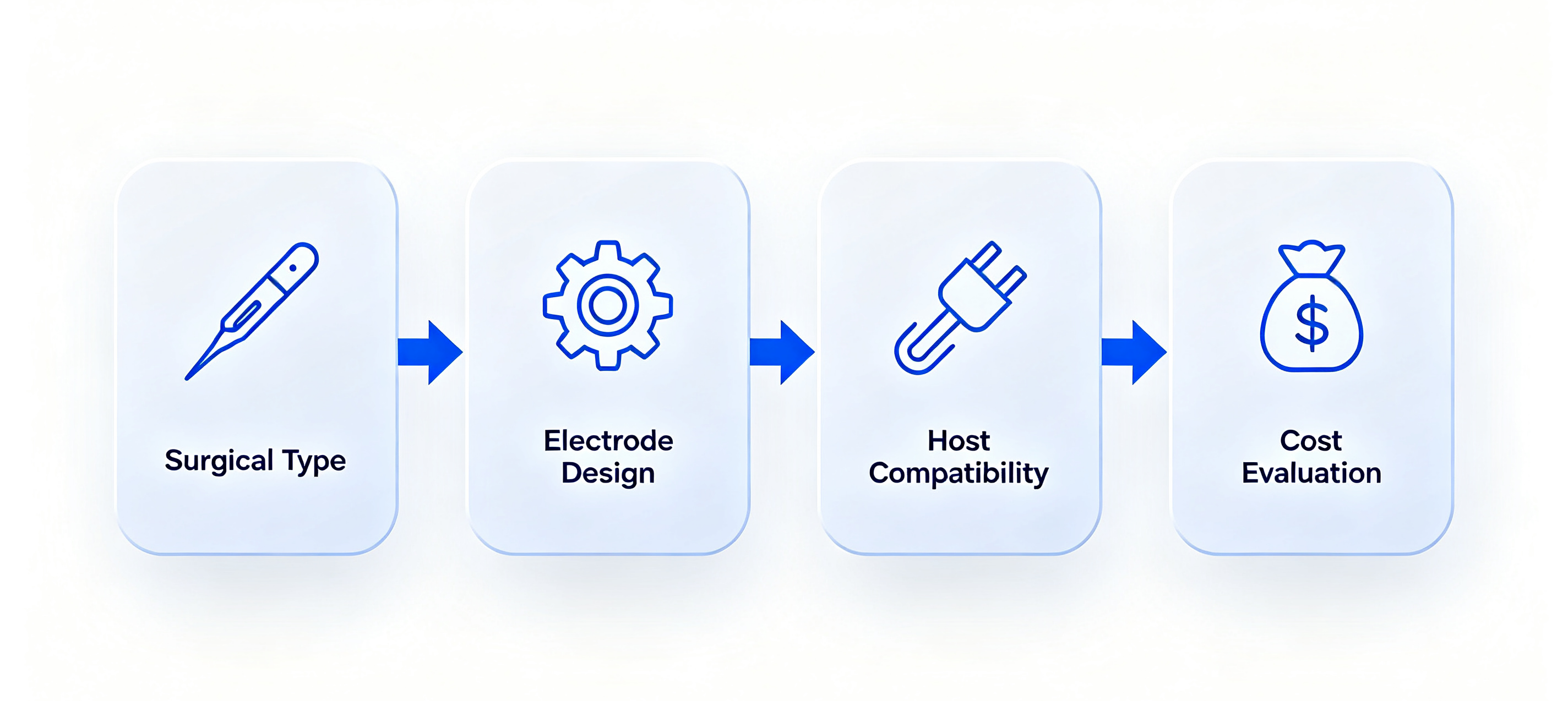
Before purchasing, make sure the electrode meets the following requirements:
✓ Procedure: Suitable for the ENT procedures you perform
✓ Electrode design: Appropriate tip, shaft, and working length
✓ Irrigation and suction: Compatible with your surgical workflow
✓ Generator: Compatible with the existing or planned system
✓ Ablation and coagulation: Suitable for the intended procedure
✓ Cost: Acceptable cost per procedure
✓ Supply: Reliable production and delivery
✓ Quality: Appropriate quality and regulatory documentation
✓ Manufacturer: Able to provide technical and after-sales support
Conclusion
Choosing a Coblation electrode for ENT surgery does not have to be complicated.
Start with the procedure, then look at the electrode design, generator compatibility, tissue removal and coagulation performance, and cost per procedure. For hospitals and distributors, the manufacturer's quality system, documentation, production capacity, and long-term supply should also be part of the decision.
The right electrode is the one that fits the procedure, the surgical workflow, and the requirements of the healthcare facility.
About Hunan ENT&PAIN
Hunan ENT&PAIN is an ISO 13485-certified manufacturer specializing in Coblation wands and RF plasma surgical electrodes for ENT and minimally invasive surgery. We provide OEM/ODM services, product documentation, and supply support for international markets.
If you are looking for a Coblation electrode manufacturer or an OEM partner for ENT surgical electrodes, contact us to discuss your product requirements.