

Coblation Adenoidectomy: How Coblation Is Used in Pediatric ENT Surgery
Adenoid enlargement is common in children and can contribute to nasal obstruction, mouth breathing, snoring, sleep-disordered breathing, and recurrent middle-ear problems. When symptoms persist despite appropriate medical treatment, an adenoidectomy may be recommended.
Several surgical techniques can be used to remove adenoid tissue, including curettage, microdebrider-assisted removal, electrosurgery, and Coblation.
Coblation uses bipolar radiofrequency energy in a saline environment to ablate tissue at relatively low temperatures. It has become an established option in pediatric ENT surgery and can be used with endoscopic visualization for controlled removal of adenoid tissue.
What Is Coblation Adenoidectomy?
Coblation adenoidectomy is a surgical technique that uses a specialized Coblation wand to remove or reduce enlarged adenoid tissue.
The wand delivers bipolar radiofrequency energy through a conductive saline environment. This creates a localized plasma field around the electrode, allowing the surgeon to ablate the target tissue while limiting unnecessary thermal spread.
Many Coblation systems also provide suction and irrigation through the wand. This can help remove tissue debris and blood while maintaining visibility during the procedure.
Adenoidectomy is generally performed under general anesthesia. The surgeon accesses the adenoid tissue through the mouth and uses direct or endoscopic visualization to identify the treatment area.
The exact technique and operating time vary depending on the child's anatomy, the extent of adenoid enlargement, and the surgical approach.
Why Is Coblation Used in Pediatric ENT?
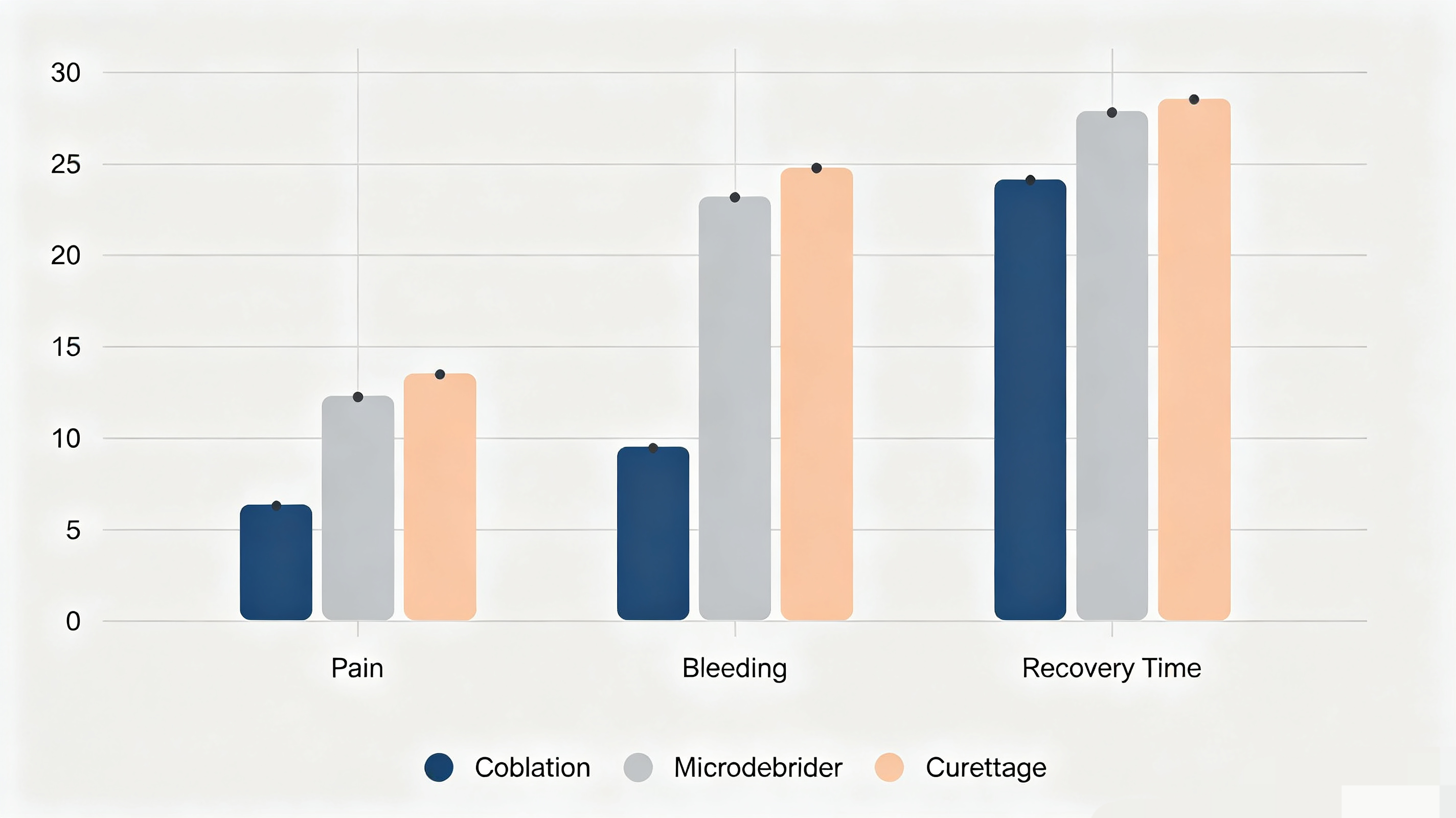
One of the main reasons surgeons use Coblation is its ability to combine tissue ablation and coagulation in a single device.
The relatively low-temperature energy may help reduce collateral thermal injury compared with higher-temperature electrosurgical techniques. Integrated suction and irrigation can also help maintain a clear operative field.
Potential advantages include:
· Controlled removal of adenoid tissue
· Reduced thermal spread compared with conventional high-temperature electrosurgery
· Integrated suction and irrigation
· Effective intraoperative coagulation
· Good visibility when combined with endoscopic guidance
· A streamlined surgical workflow
Clinical outcomes can vary, however. Patient age, adenoid size, surgical technique, energy settings, and surgeon experience all influence the final result.
Coblation vs. Other Adenoidectomy Techniques
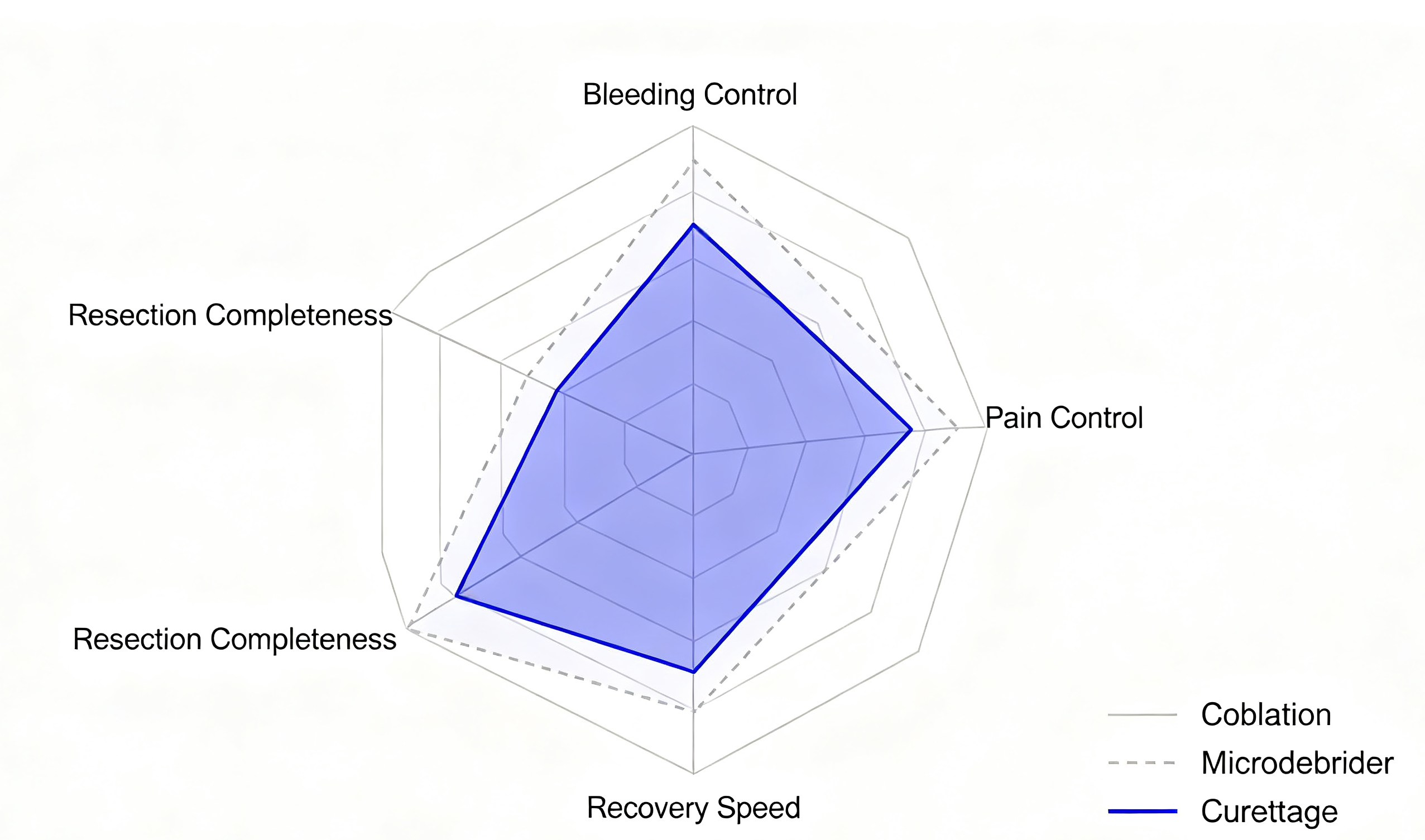
Coblation is one of several techniques available for adenoidectomy.
Feature | Coblation | Microdebrider | Cold Curettage |
Tissue removal | Radiofrequency plasma ablation | Mechanical removal | Mechanical removal |
Thermal effect | Relatively low | Minimal | Minimal |
Suction | Often integrated | Integrated | Usually separate |
Irrigation | Often integrated | Usually separate | Separate |
Visualization | Can be combined with endoscopy | Can be combined with endoscopy | Depends on technique |
Hemostasis | Coagulation available | Usually requires separate hemostasis | Usually requires separate hemostasis |
No technique is suitable for every case. The choice depends on the surgeon's experience, the child's anatomy, the extent of adenoid hypertrophy, and the equipment available.
When Is Adenoidectomy Considered?
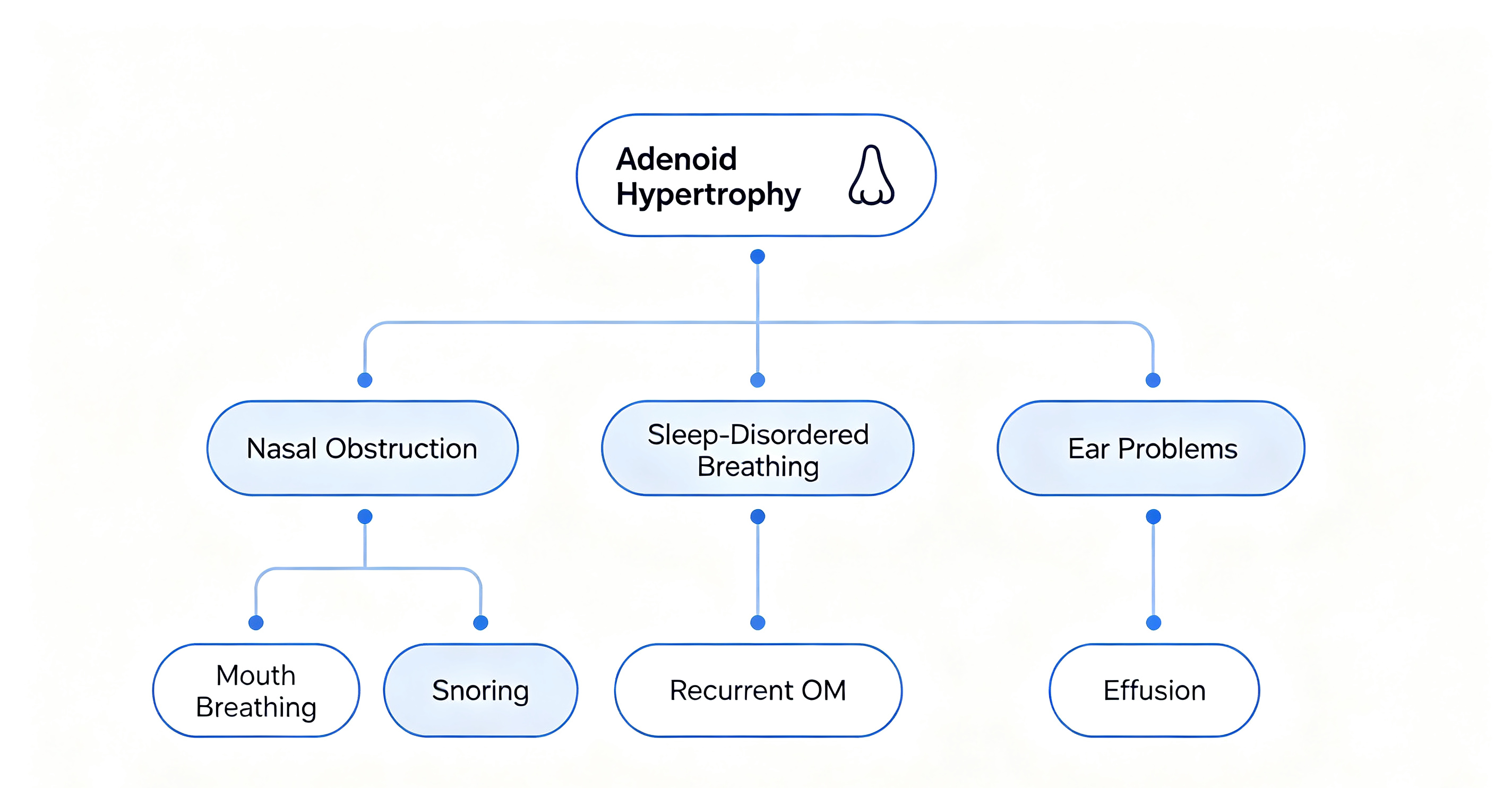
Adenoidectomy may be considered when enlarged or chronically inflamed adenoids contribute to significant symptoms.
Common indications include:
· Nasal obstruction and persistent mouth breathing
· Snoring or obstructive sleep-disordered breathing
· Adenoid-related middle-ear effusion or recurrent ear problems
· Recurrent or persistent nasal symptoms associated with adenoid hypertrophy
· Other conditions in which the ENT surgeon determines that adenoid removal is appropriate
The decision should be based on the child's symptoms, medical history, physical examination, and, when appropriate, nasal endoscopy or other diagnostic evaluation.
What Happens During the Procedure?
Before surgery, the ENT surgeon reviews the child's medical history and discusses the expected benefits and potential risks with the parents.
During the procedure, the child is placed under general anesthesia. The surgeon identifies the adenoid tissue and uses the selected instrument to remove the enlarged tissue.
With Coblation, the wand delivers radiofrequency energy to the target tissue. Suction and irrigation may be used at the same time to help maintain visibility and manage tissue debris.
Endoscopic guidance can be particularly useful when the surgeon needs to assess the adenoid tissue around the choanae and the openings of the Eustachian tubes.
The procedure is usually completed in a relatively short time, although the actual duration varies from patient to patient.
Recovery After Pediatric Adenoidectomy
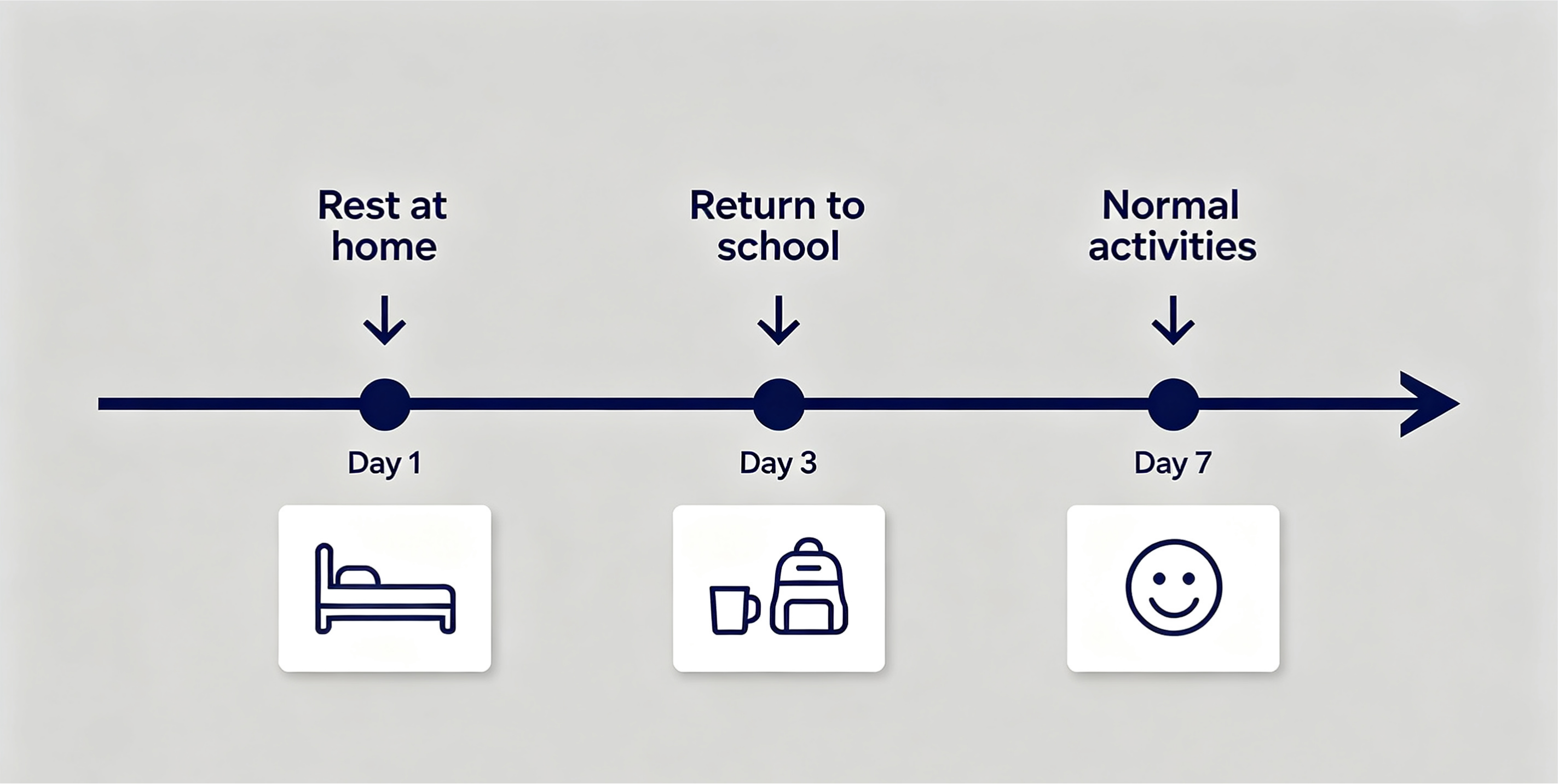
Most children recover from adenoidectomy without major problems.
Mild throat discomfort, nasal congestion, bad breath, or changes in voice may occur during the first several days. These symptoms usually improve as the surgical site heals.
Children should drink plenty of fluids and follow the postoperative instructions provided by their healthcare team.
Many children can return to school or daycare within several days, but the appropriate timing depends on the child's recovery and the surgeon's advice. Strenuous exercise and other activities may need to be restricted temporarily.
Parents should contact the healthcare provider if the child develops significant bleeding, difficulty breathing, persistent vomiting, high fever, or other symptoms that cause concern.
Is Adenoidectomy Safe for Children?
Adenoidectomy is a commonly performed pediatric ENT procedure and is generally considered safe when performed by an appropriately trained surgical team.
As with any operation, complications are possible. These may include bleeding, infection, changes in voice, postoperative discomfort, or, in some cases, residual or recurrent adenoid tissue.
The risk profile varies between patients and may also be affected when adenoidectomy is performed together with tonsil surgery or other procedures.
Parents should discuss the expected benefits, risks, and postoperative care with their child's ENT specialist before surgery.
Can Adenoids Grow Back?
Adenoid tissue can regrow after surgery, although clinically significant regrowth is not common.
The likelihood depends on factors such as the child's age at surgery, the amount of tissue removed, and individual healing characteristics.
Endoscopic visualization and careful surgical technique can help the surgeon assess the adenoid bed during the procedure, but no technique can guarantee that regrowth will never occur.
Frequently Asked Questions
How long does a Coblation adenoidectomy take?
The surgical time varies according to the child's anatomy and the extent of tissue removal. Adenoidectomy is generally a relatively short procedure, but the total time at the hospital also includes anesthesia, preparation, and postoperative observation.
Is Coblation adenoidectomy painful?
Most children experience some discomfort after adenoidectomy, but pain is generally manageable with the medications recommended by their healthcare provider. Individual recovery varies.
When can a child return to school?
Many children return to school or daycare within several days, provided they are feeling well and the surgeon has no concerns.
Can Coblation be used with endoscopy?
Yes. Coblation can be used together with endoscopic visualization, allowing the surgeon to identify the adenoid tissue and assess the surgical field during the procedure.
Can Coblation be used for other ENT procedures?
Yes. Coblation technology is used in a range of ENT procedures, including tonsil surgery, turbinate reduction, and other soft-tissue applications.
Conclusion
Coblation provides ENT surgeons with a controlled method for removing adenoid tissue using bipolar radiofrequency energy.
Its relatively low-temperature operation, combined with coagulation, suction, and irrigation capabilities, makes it a useful option for selected pediatric ENT procedures.
The choice of surgical technique should always be based on the child's condition, the surgical objective, and the surgeon's experience.
ENT&PAIN develops and manufactures Coblation wands and radiofrequency plasma surgical electrodes for ENT and minimally invasive procedures. We support hospitals, distributors, and medical device partners with product supply, OEM/ODM solutions, and regulatory documentation for international markets.
For Coblation wand specifications, generator compatibility, or OEM/ODM cooperation, contact the ENT&PAIN team.