

Tubes in Ears for Kids: A Parent’s Complete Guide
If your child has frequent ear infections, persistent ear fluid, or hearing problems, your doctor may recommend ear tubes for kids. Also called tympanostomy tubes, ventilation tubes, or PE tubes, these small devices help improve middle ear ventilation and prevent fluid buildup.
This guide covers the signs your child needs ear tubes, the surgery process, recovery, benefits, and possible risks.
What Are Ear Tubes for Children?
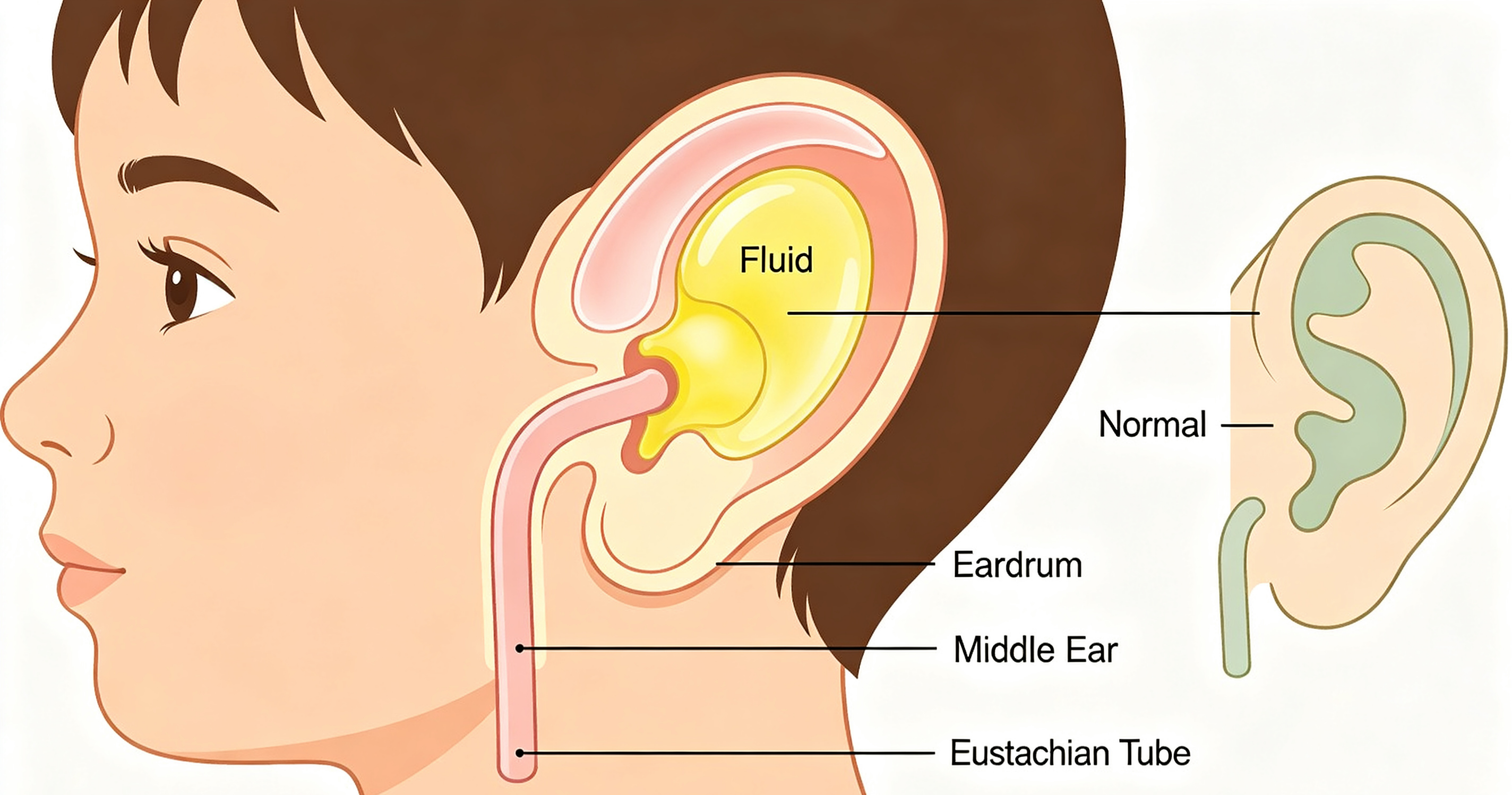
Ear tubes are tiny hollow tubes placed through the eardrum during a procedure called myringotomy.
They allow air to enter the middle ear and help drain trapped fluid. This is especially helpful when the Eustachian tube does not work properly due to age, infections, or medical conditions.
Why Do Kids Get Ear Tubes?

The main reasons children receive ear tubes include:
· Frequent ear infections (3 or more in 6 months, or 4 or more in 12 months)
· Middle-ear fluid lasting 3 months or longer, especially with hearing problems
· Hearing loss or speech delays caused by fluid buildup
· Medical conditions such as cleft palate or Down syndrome
Signs Your Child Needs Ear Tubes
Parents often ask, “How do I know if my child needs ear tubes?”
Common signs include:
· Frequent ear pulling or irritability
· Not responding to sounds or increasing device volume
· Balance problems
· Ear drainage
· Speech or language delays
An ENT specialist can determine whether ear tubes are appropriate after evaluation.
Ear Tube Surgery for Toddlers: What to Expect
Ear tube surgery for toddlers is a common and quick pediatric procedure.
During Surgery
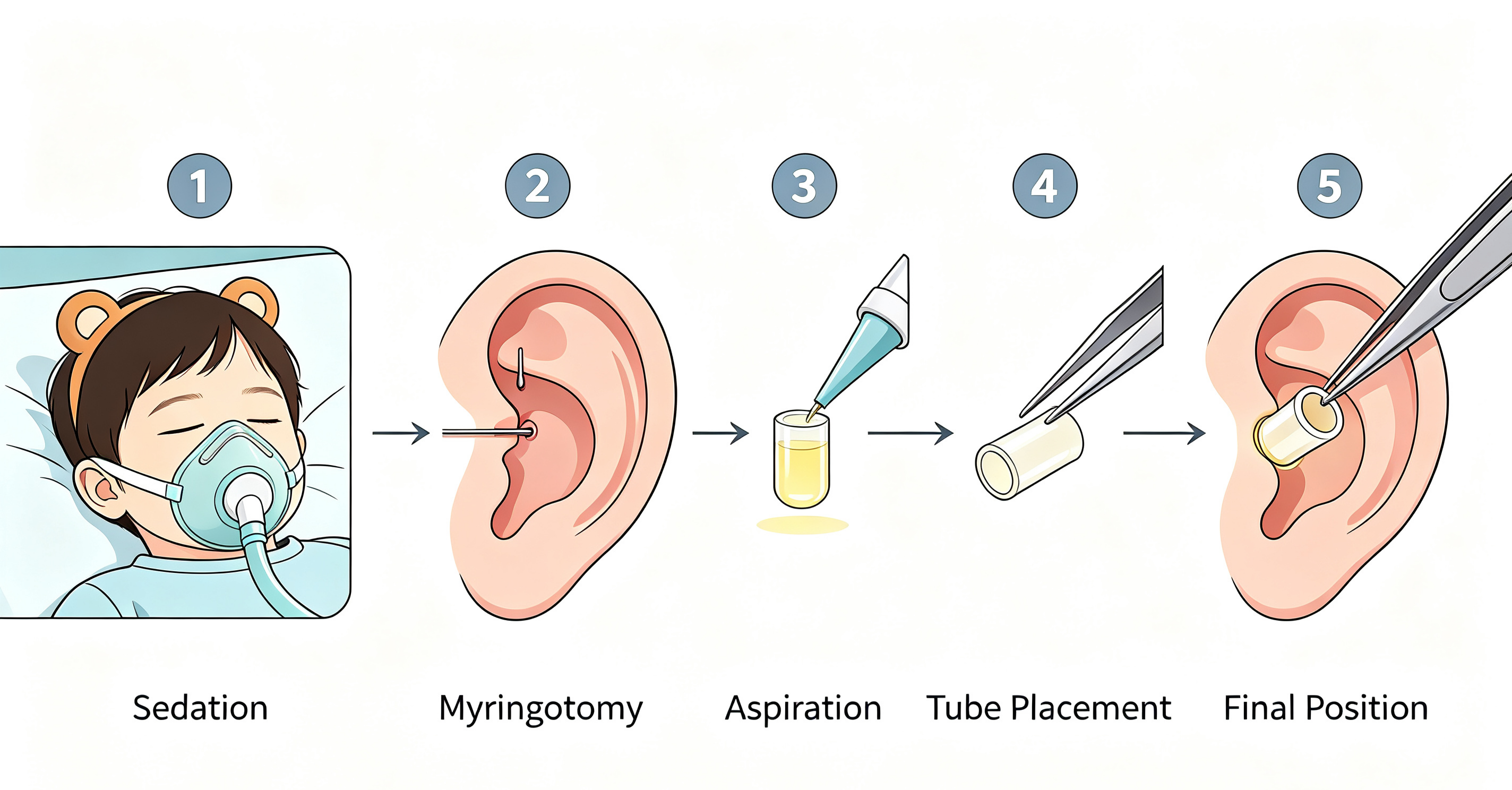
The procedure usually includes:
· General anesthesia
· A tiny opening in the eardrum (myringotomy)
· Removal of middle ear fluid
· Placement of the tube
How long does ear tube surgery take?
The procedure usually takes about 5–15 minutes.
Most children go home within a few hours.
Are ear tubes safe for kids?
Yes. Ear tube placement has a strong safety record, and serious complications are rare.
Ear Tube Recovery Child: Timeline and Care
Recovery after ear tube surgery is usually fast.
Child Ear Tube Surgery Recovery Timeline
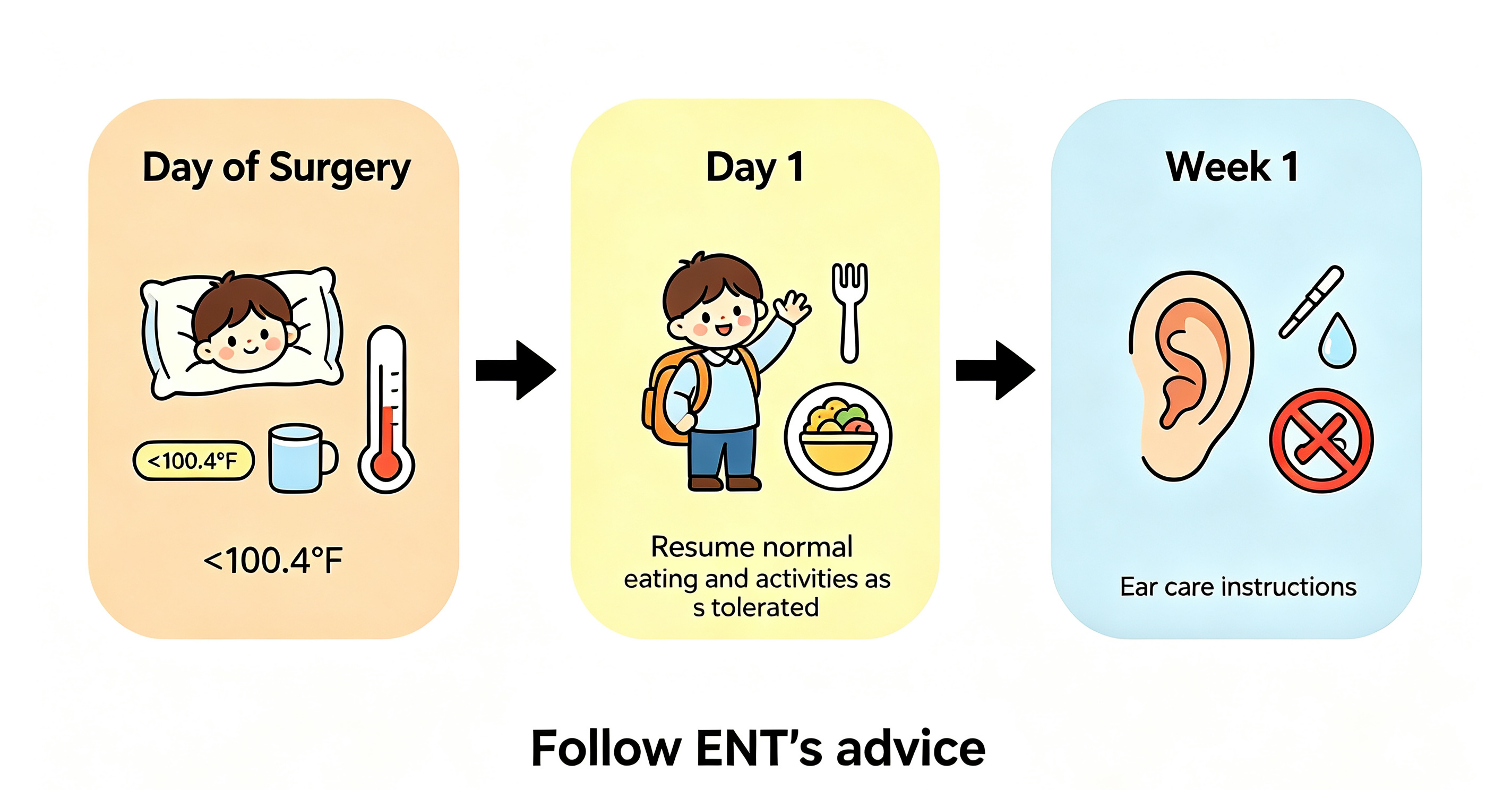
Day of surgery
· Mild sleepiness or fussiness after anesthesia
· Encourage rest and fluids
Next day
· Most children return to normal activities, school, or daycare
First week
· Mild ear drainage may occur
· Ears may feel itchy or blocked
· Clean only the outside of the ear and avoid putting objects inside
Water Precautions
Most children can return to normal activities. Follow your ENT’s advice regarding swimming and ear protection.
Will hearing improve after ear tubes?
Many children experience improved hearing soon after surgery because trapped fluid is removed.
How long does it take to recover from ear tube surgery?
Most children recover within one day.
How Long Do Ear Tubes Stay in Children?
A common question is, “How long do ear tubes stay in children?”
Most ear tubes remain in place for 6 to 18 months.
They usually fall out naturally as the eardrum heals. Some children may need another set if ear problems return.
Ear Tube Surgery Pros and Cons Kids Should Know
Understanding the ear tube surgery pros and cons kids helps parents make informed decisions.
Benefits
· Fewer ear infections for many children
· Improved hearing when fluid affects hearing ability
· Possible improvements in sleep, behavior, and speech development
· Quick recovery
Possible Risks
· Ear drainage (otorrhea)
· Tube blockage or early tube displacement
· Small risk of a persistent eardrum hole
· Rare anesthesia or bleeding complications
Serious risks of ear tube surgery in children are uncommon.
Ear Tubes vs Antibiotics Children: Which Option Is Better?
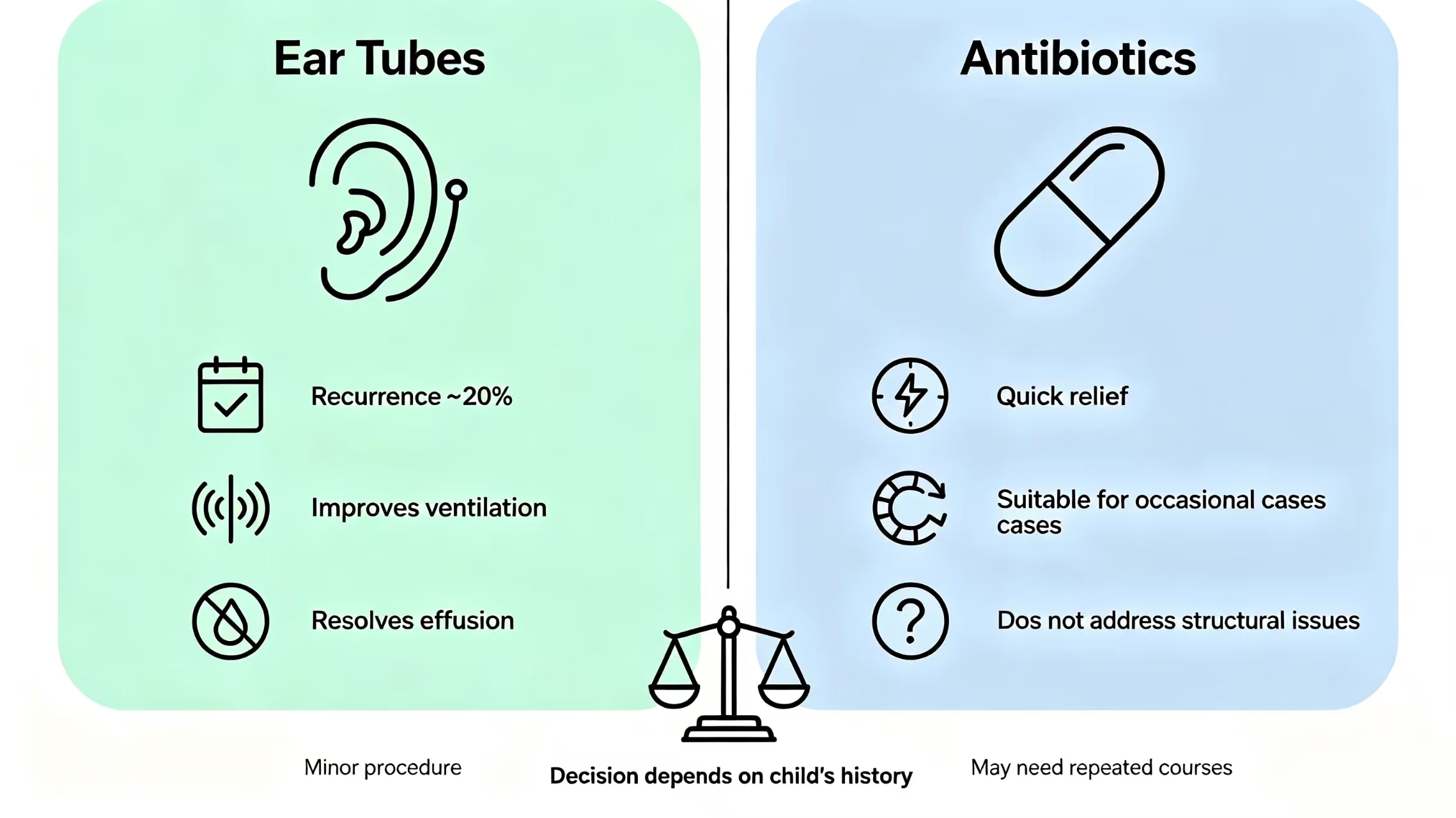
The choice between ear tubes vs antibiotics children depends on the child’s symptoms and medical history.
Antibiotics
· Treat active ear infections
· May be suitable for occasional infections
Ear Tubes
· Improve middle ear drainage
· Help children with repeated infections or persistent fluid
· May reduce problems caused by long-term fluid buildup
If infections continue or hearing is affected, an ENT may recommend ear tubes.
Does My Child Need Ear Tubes? A Simple Checklist
Discuss ear tubes with your doctor if your child has:
· 3 or more ear infections in 6 months
· 4 or more ear infections in 1 year
· Ear fluid lasting 3 months or longer
· Hearing loss caused by fluid
· Speech delays
Monitoring may be reasonable when:
· Ear infections are rare
· Symptoms improve with treatment
· Hearing and speech development are normal
If you are unsure, ask your pediatrician for a referral to a pediatric ENT ear tubes near me.
Frequently Asked Questions
What is the best ear tube surgery age for kids?
Most children receive ear tubes between 1 and 3 years old, although younger children may also need them when medically necessary.
Will my child need ear drops after surgery?
Many children receive antibiotic ear drops after surgery, especially if drainage occurs.
How much does ear tube surgery cost for a child?
Costs vary by location, healthcare system, and insurance coverage. Medically necessary procedures are often covered.
How do I find a children’s ear tube specialist?
Ask your pediatrician for a referral or search “pediatric ENT ear tubes near me” with your location.

Conclusion
Ear tubes for kids are a safe and effective option for children with recurring ear infections, persistent fluid, or hearing problems.
Understanding the signs your child needs ear tubes, the surgery process, recovery, and possible risks helps parents make informed decisions with their pediatric ENT specialist.