

The Shift from Blind Ear Irrigation to Visualized Pulsatile Irrigation: Reducing Tympanic Membrane P
For decades, ear irrigation has been widely used for cerumen removal in primary care. However, traditional blind ear irrigation carries avoidable risks, especially when the tympanic membrane cannot be directly assessed before and during the procedure.
Studies report that tympanic membrane perforation occurs in approximately 0.2% of ear irrigations, while serious complications such as hearing loss may occur in around 1 in 1000 procedures. In high-risk patients, including those with thin eardrums or abnormal ear canal anatomy, the perforation risk may increase to 2–5%.
Beyond clinical complications, ear irrigation has also become a source of medicolegal concerns. The UK Medical Defence Union reported that ear syringing represents a significant proportion of GP liability claims, with common causes including poor technique, excessive pressure, faulty equipment, and failure to inspect the tympanic membrane before irrigation.
The underlying problem is simple: traditional irrigation is performed without direct visualization. Modern clinical ear wax removal machines, combining endoscopic visualization with pulsatile irrigation, provide a safer and more controlled alternative.
Why Blind Irrigation Creates Risk

The tympanic membrane is an extremely delicate structure, measuring approximately 0.1 mm in thickness. Excessive water pressure or incorrect technique can cause perforation, leading to conductive hearing loss, infection, and other ear surgery complications.
The risk increases in patients with:
· Previous ear surgery
· Diabetes or immune compromise
· Narrow or curved ear canals
· Atrophic or fragile tympanic membrane areas
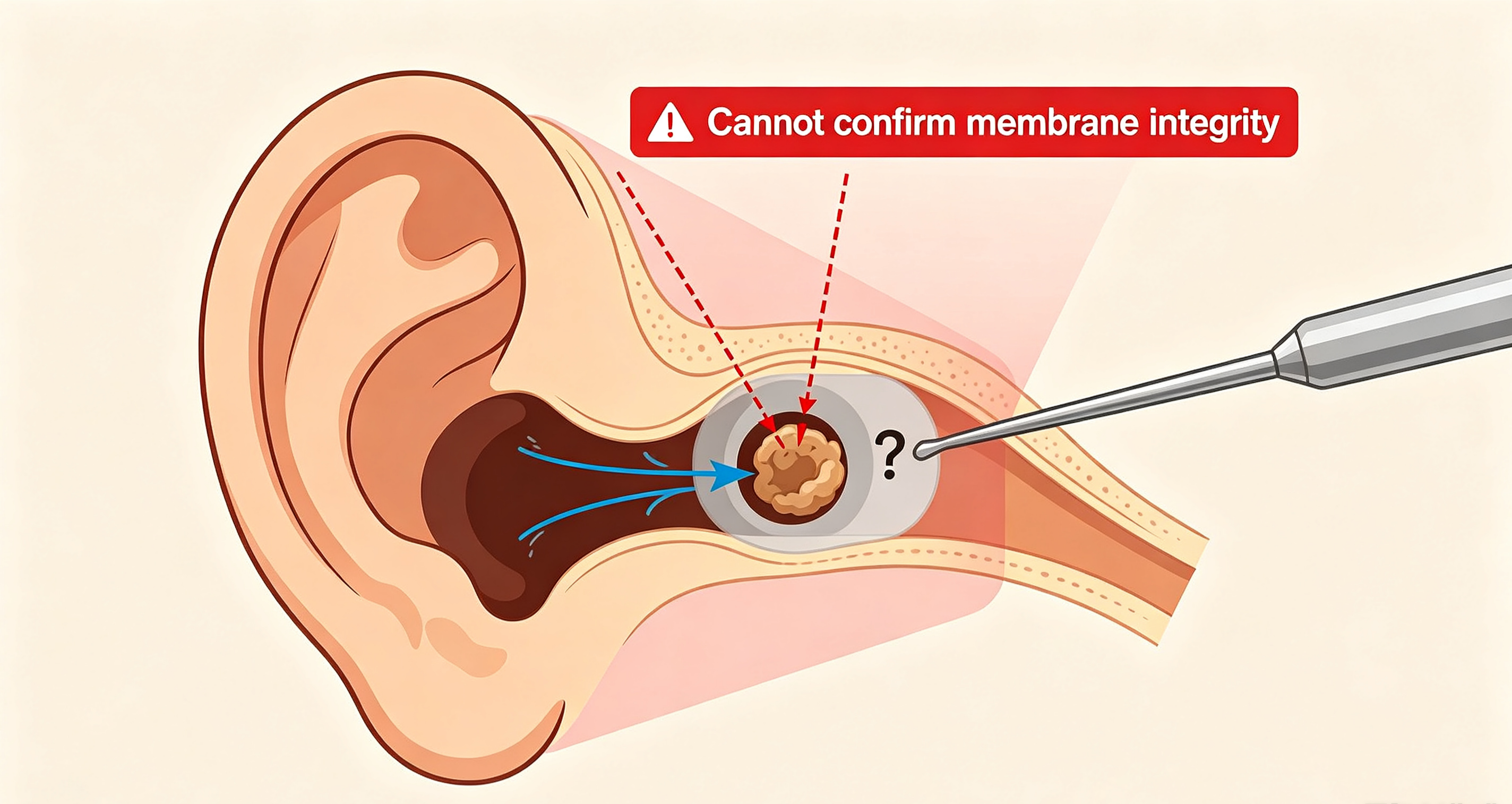
One of the most important safety principles in cerumen removal is avoiding irrigation when the eardrum cannot be evaluated. Without visualization, clinicians cannot confirm membrane integrity or immediately detect complications.
This is the fundamental limitation of traditional blind irrigation.
How Visualized Pulsatile Irrigation Improves Safety
The key advantage of visualized pulsatile irrigation is direct observation.
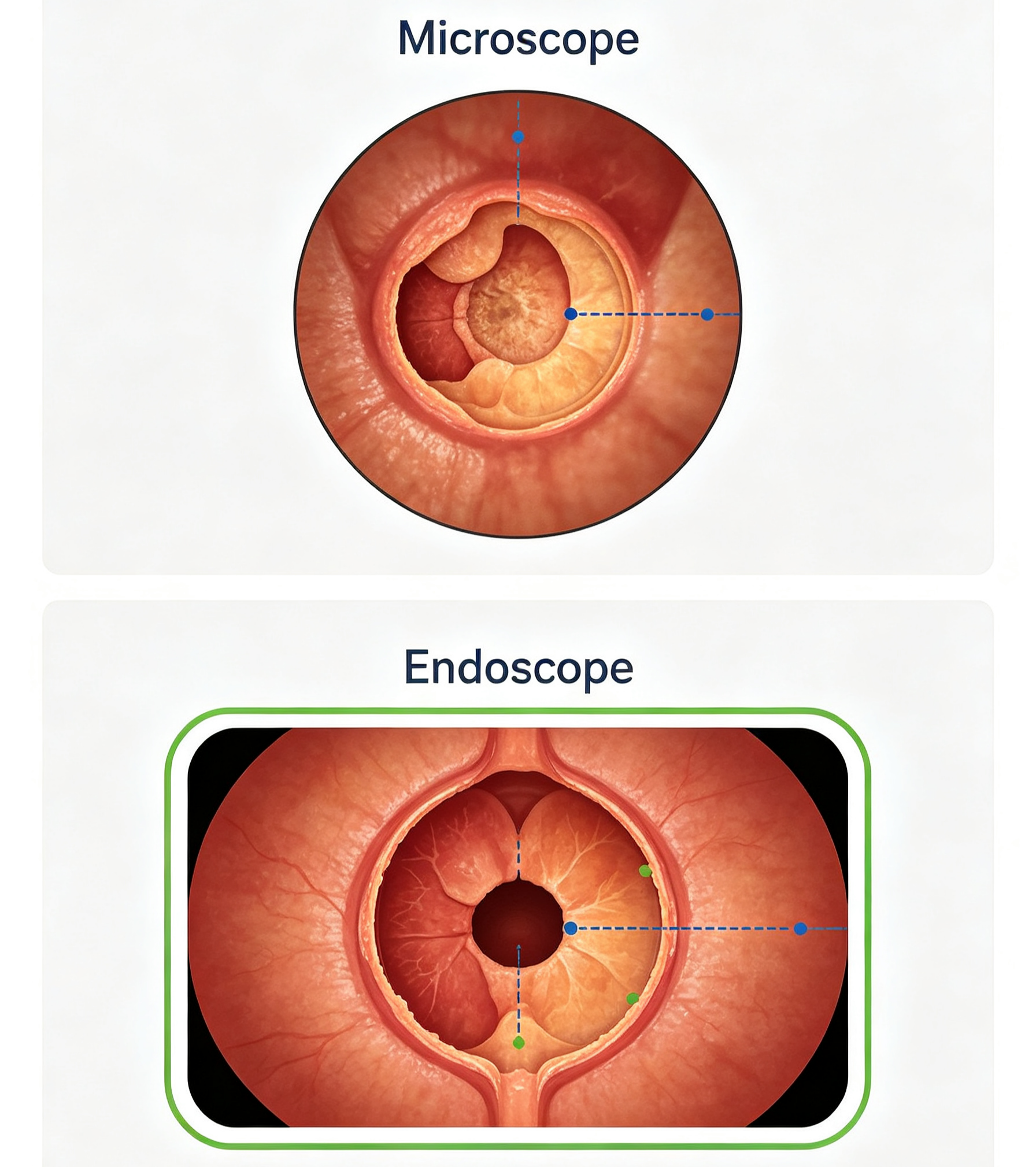
Unlike conventional syringing, modern systems combine irrigation with endoscopic visualization, allowing clinicians to monitor:
· The tympanic membrane condition
· Water direction and flow
· Wax removal progress
· Potential complications during the procedure
Compared with microscopes, endoscopes provide a wider field of view and better access to hidden areas of curved ear canals.
In transcanal endoscopic ear surgery (TEES), endoscopic techniques have achieved tympanic perforation closure rates of 95.7% with significant hearing improvement.
Pulsatile Flow: A More Controlled Irrigation Method
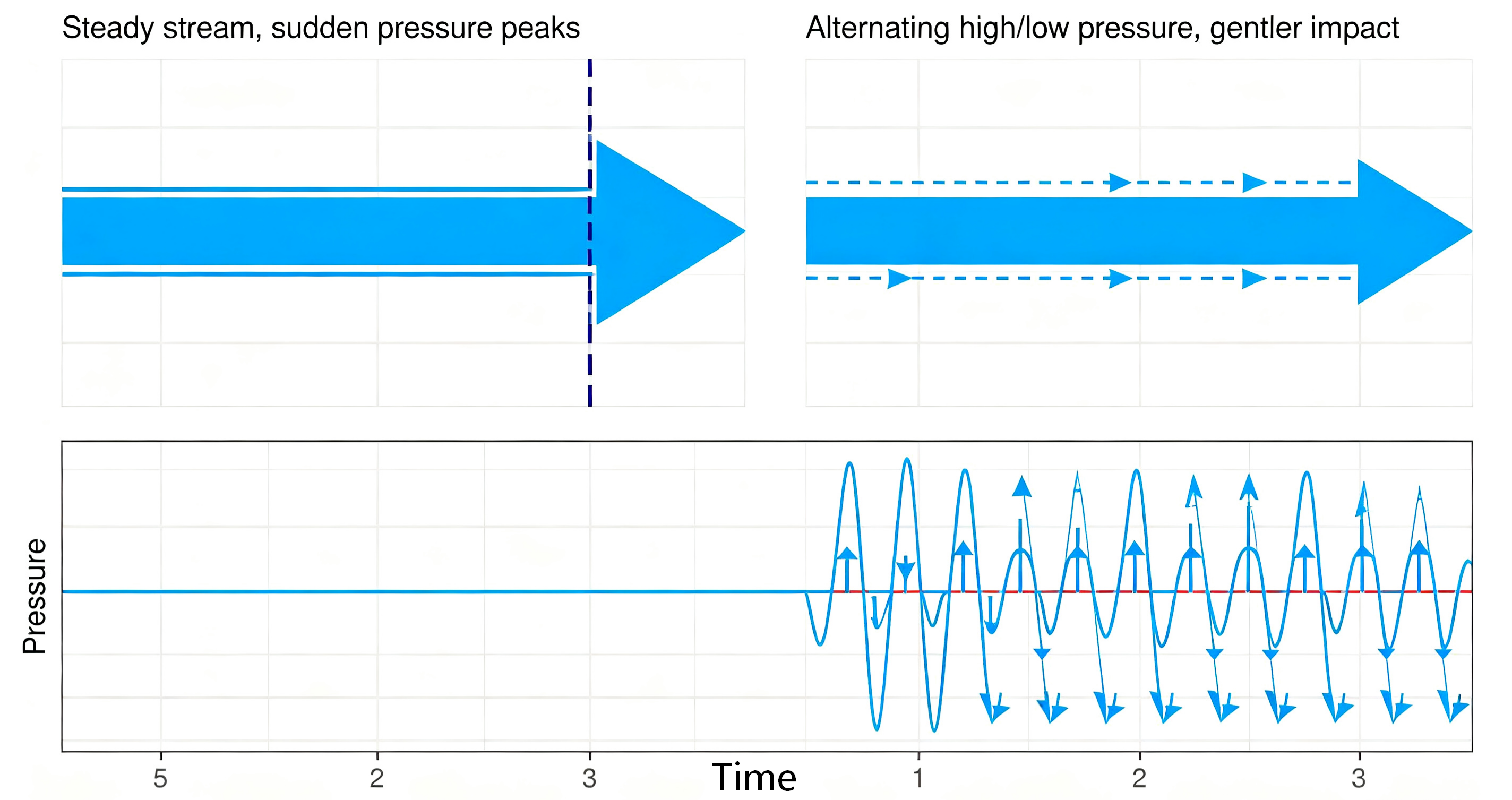
Traditional irrigation uses a continuous water stream, which may create sudden pressure changes against delicate structures.
Pulsatile irrigation uses alternating high and low pressure pulses, creating a gentler flow pattern while maintaining effective wax removal.
Devices such as the Projet™ 101 use pulsed vortex technology with ultra-thin tips, helping maintain clear visualization of the irrigation pathway.
The CIM-EES (Continuous Irrigating Mode for Endoscopic Ear Surgery) system further combines continuous saline irrigation with endoscopic visualization. It helps clear blood and surgical debris while maintaining a stable surgical field.
Clinical studies of CIM-EES-assisted procedures have demonstrated preserved bone conduction and improved hearing outcomes. Research on underwater endoscopic ear surgery (UWEES) also supports its safety and effectiveness, with sensorineural hearing preservation reported in over 90% of cases.
Clinical Ear Wax Removal Machines: Making Safe Irrigation Practical
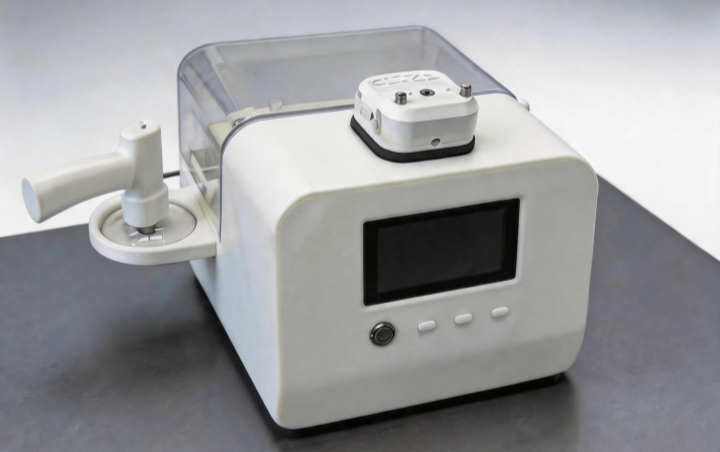
Modern clinical ear wax removal machines have replaced traditional metal syringes with controlled, patient-focused systems.
Examples include:
· Earigator™: integrates otoscopic visualization and irrigation, providing controlled pressure at approximately 12±2 PSI, with water temperature maintained around 37°C.
· Propulse: uses Contrapulse® technology, foot-pedal operation, and adjustable pressure control.
· Welch Allyn Ear Wash System Plus: features pressure regulation and disposable sealing tips to reduce direct water impact.
The common advantage of these systems is visibility.
During the procedure, clinicians can observe the ear canal and tympanic membrane in real time, allowing immediate adjustment or stopping when necessary.
The procedure changes from “blind irrigation” to “visualized irrigation.”
The Changing Standard in Ear Wax Removal
Professional recommendations increasingly emphasize direct visualization and patient selection.
The American Academy of Otolaryngology advises caution when performing irrigation in high-risk patients and recommends confirming the condition of the tympanic membrane after irrigation.
For patients with previous ear surgery or suspected tympanic membrane damage, direct removal methods under visualization are generally preferred.
While microsuction remains an effective option, it requires specialized equipment and operator training. For routine clinical environments, visualized pulsatile irrigation with a clinical ear wax removal machine provides an effective balance between safety, efficiency, and ease of use.
Frequently Asked Questions
Q: How common is eardrum perforation from irrigation?
A: The overall rate is approximately 0.2%, but it may increase to 5% in high-risk patients.
Q: Can ear irrigation cause a ruptured eardrum?
A: Yes. Risk increases with excessive pressure, improper technique, faulty equipment, or failure to confirm the condition of the tympanic membrane before irrigation.
Q: What is the success rate of tympanoplasty?
A: Endoscopic tympanoplasty can achieve closure rates of approximately 95.7% in selected cases. Overall success depends on perforation size, location, and patient factors.
Q: How does endoscopic ear surgery differ from microscopic ear surgery?
A: Endoscopy provides a wider field of view and better access to hidden areas of the ear canal. It is minimally invasive and provides comparable hearing outcomes with improved visualization.
Q: Is endoscopic ear surgery risky?
A: Endoscopic ear surgery is considered safe when performed by trained surgeons. With proper visualization and controlled irrigation techniques, the risk of complications can be significantly reduced.
Conclusion: From Blind Irrigation to Visible Safety
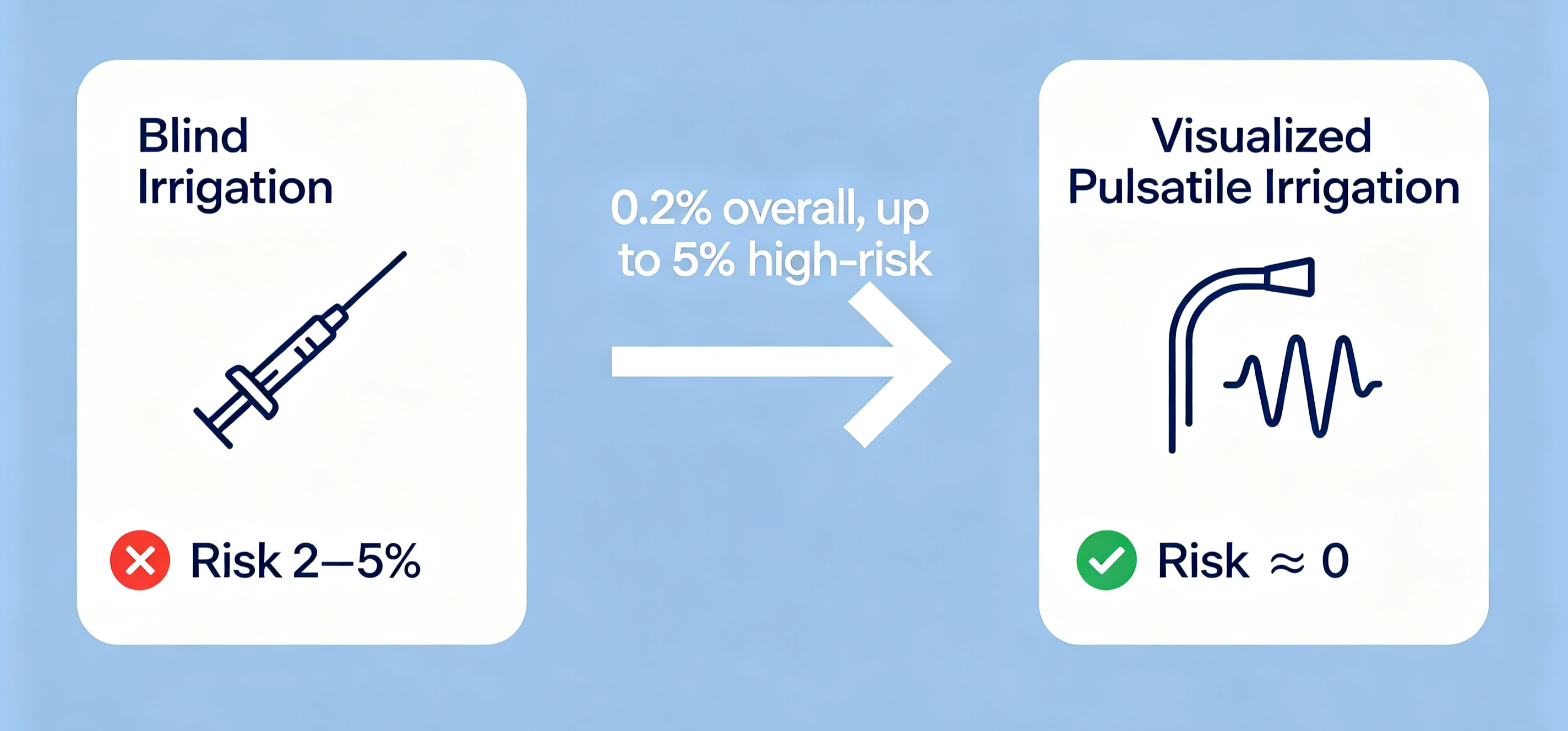
Traditional blind ear irrigation has limitations because clinicians cannot directly monitor the tympanic membrane during the procedure.
Modern clinical ear wax removal machines combine endoscopic visualization and pulsatile irrigation to provide better control, improved safety, and a more predictable patient experience.
The future of ear wax removal is not simply removing wax—it is doing so with greater visibility, precision, and protection for both patients and clinicians.
The shift from blind irrigation to visualized pulsatile irrigation represents a safer approach to modern ear care.