

Coblation Tonsillectomy: Benefits, Applications and Surgical Considerations
Tonsillectomy is one of the most common procedures in ENT surgery. In addition to traditional cold dissection and electrosurgery, Coblation has become an established option for tonsil removal and reduction.
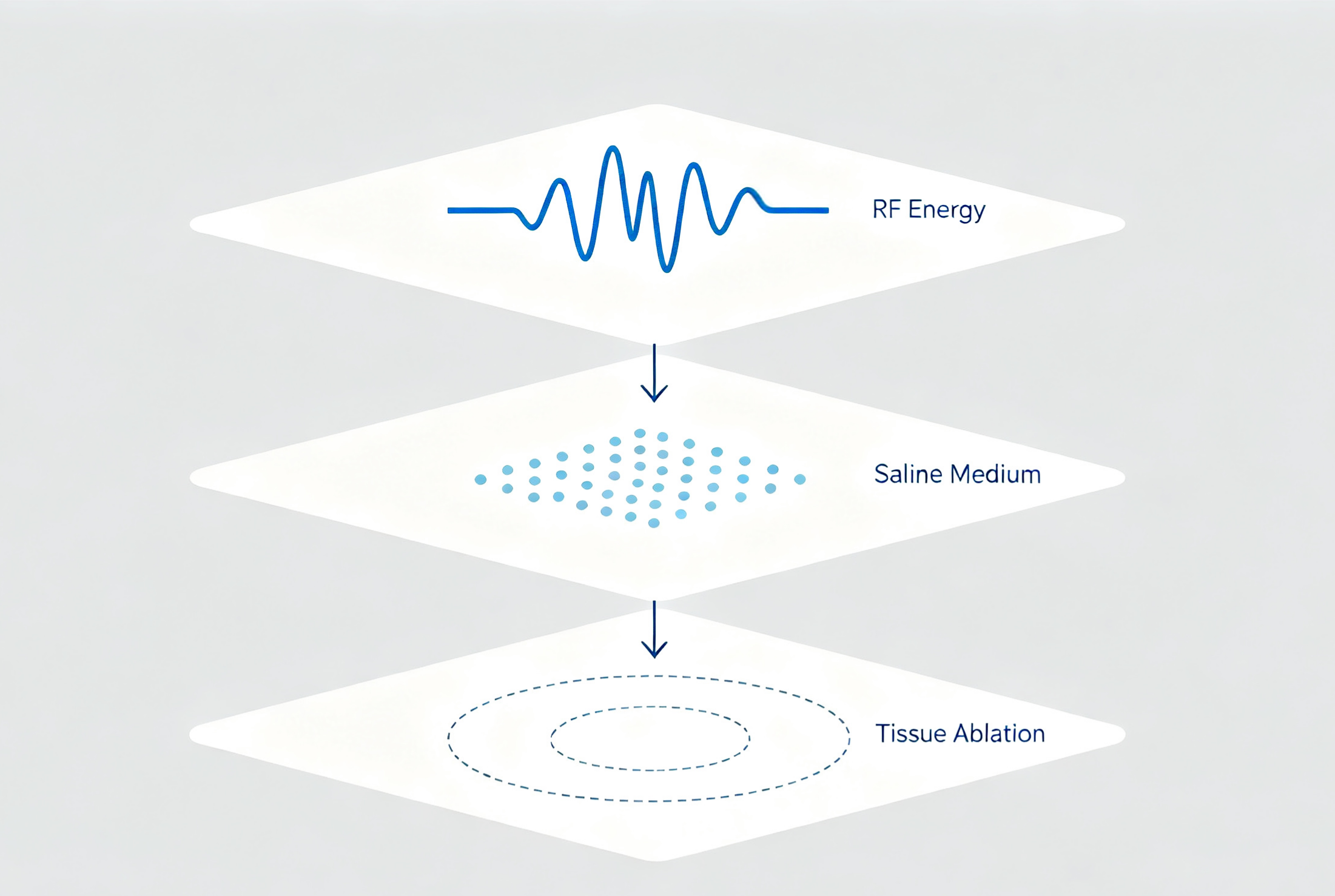
Coblation uses bipolar radiofrequency energy in a saline environment to treat tissue at relatively low temperatures. The technique can provide controlled tissue ablation and coagulation while helping surgeons maintain a clear surgical field.
What Is Coblation Tonsillectomy?
Coblation tonsillectomy uses a disposable Coblation wand to deliver bipolar radiofrequency energy to the target tissue.
The energy interacts with saline to create a localized plasma field around the electrode. This allows tissue to be ablated at relatively low temperatures, generally around 40–70°C, depending on the system and operating conditions.
Many Coblation wands combine tissue treatment, coagulation, suction, and irrigation in one device. This can simplify the surgical workflow and reduce the need to change instruments during the procedure.
When Is Coblation Tonsillectomy Used?
Coblation can be used for the same clinical indications as other tonsillectomy techniques.
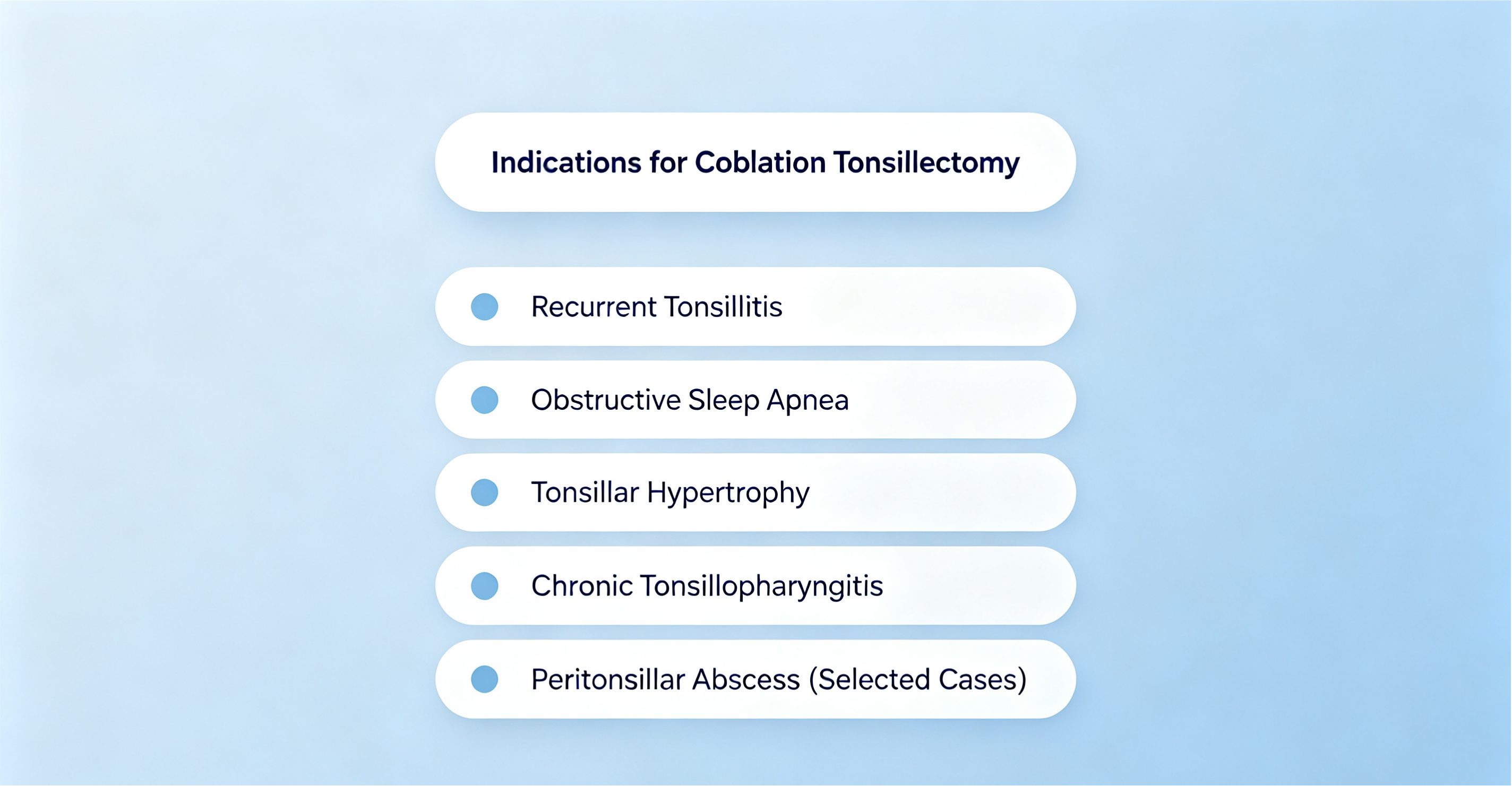
Common indications include:
· Recurrent or severe tonsillitis
· Tonsillar hypertrophy associated with obstructive sleep-disordered breathing
· Airway obstruction caused by enlarged tonsils
· Selected cases of recurrent peritonsillar abscess
· Other tonsillar conditions requiring surgical treatment
The choice of technique depends on the patient's condition, the extent of tissue removal required, and the surgeon's experience.
Potential Benefits of Coblation Tonsillectomy
Controlled Thermal Effect
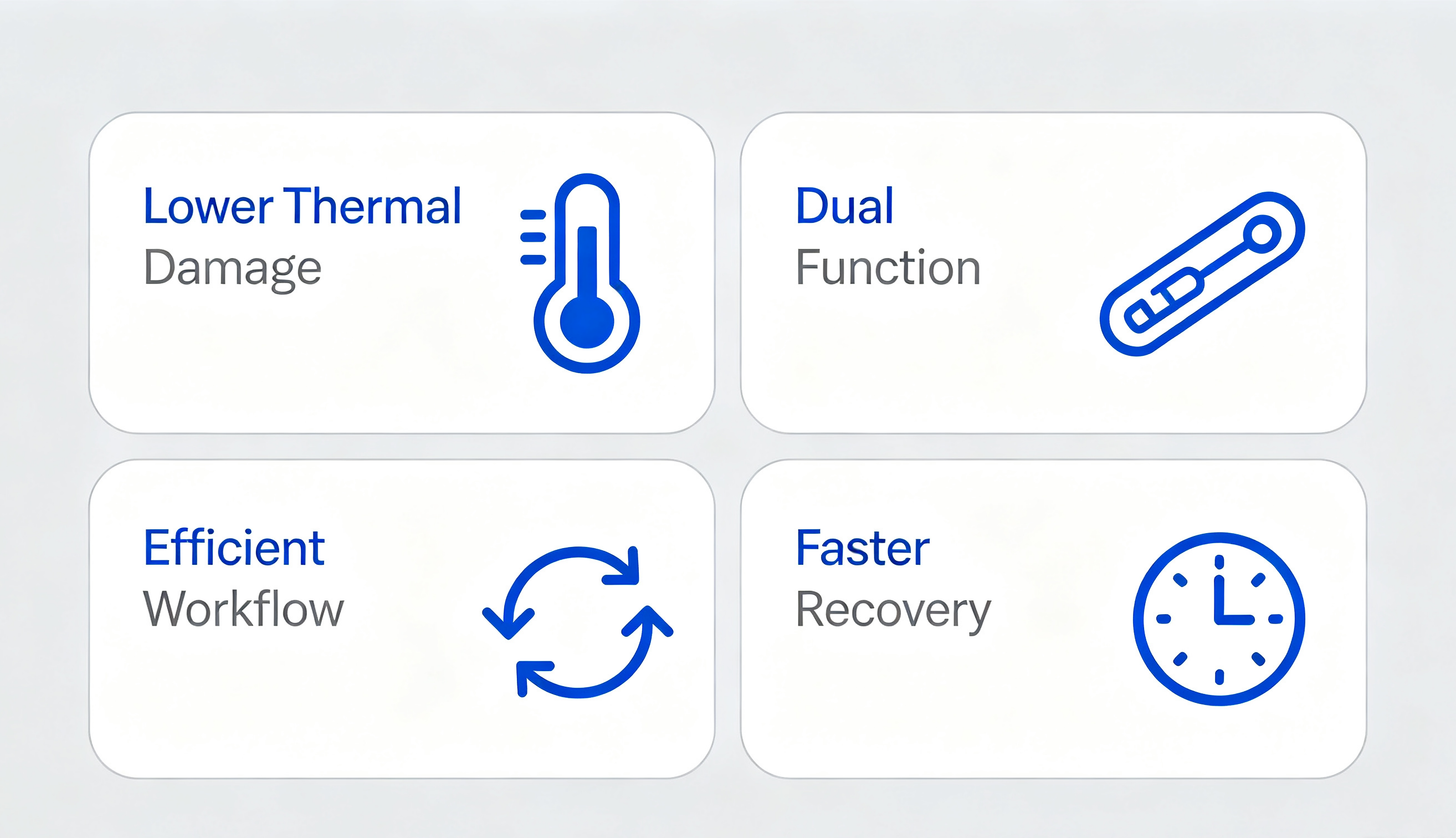
Coblation operates at relatively low temperatures compared with conventional electrosurgical techniques. This can help limit unnecessary thermal injury around the treatment area.
Tissue Ablation and Hemostasis
A Coblation wand can be used for tissue ablation as well as coagulation. This allows surgeons to manage tissue removal and hemostasis with the same device.
Efficient Surgical Workflow
Integrated suction and irrigation can help maintain visibility during surgery. The ability to combine several functions in one wand can also reduce instrument changes.
Postoperative Recovery
Some clinical studies have reported lower postoperative pain or faster recovery with Coblation compared with certain conventional techniques. However, outcomes vary depending on the surgical technique, patient population, and surgeon experience.
Coblation should therefore be viewed as an effective surgical option rather than a technique that is automatically superior in every situation.
Coblation vs. Conventional Tonsillectomy
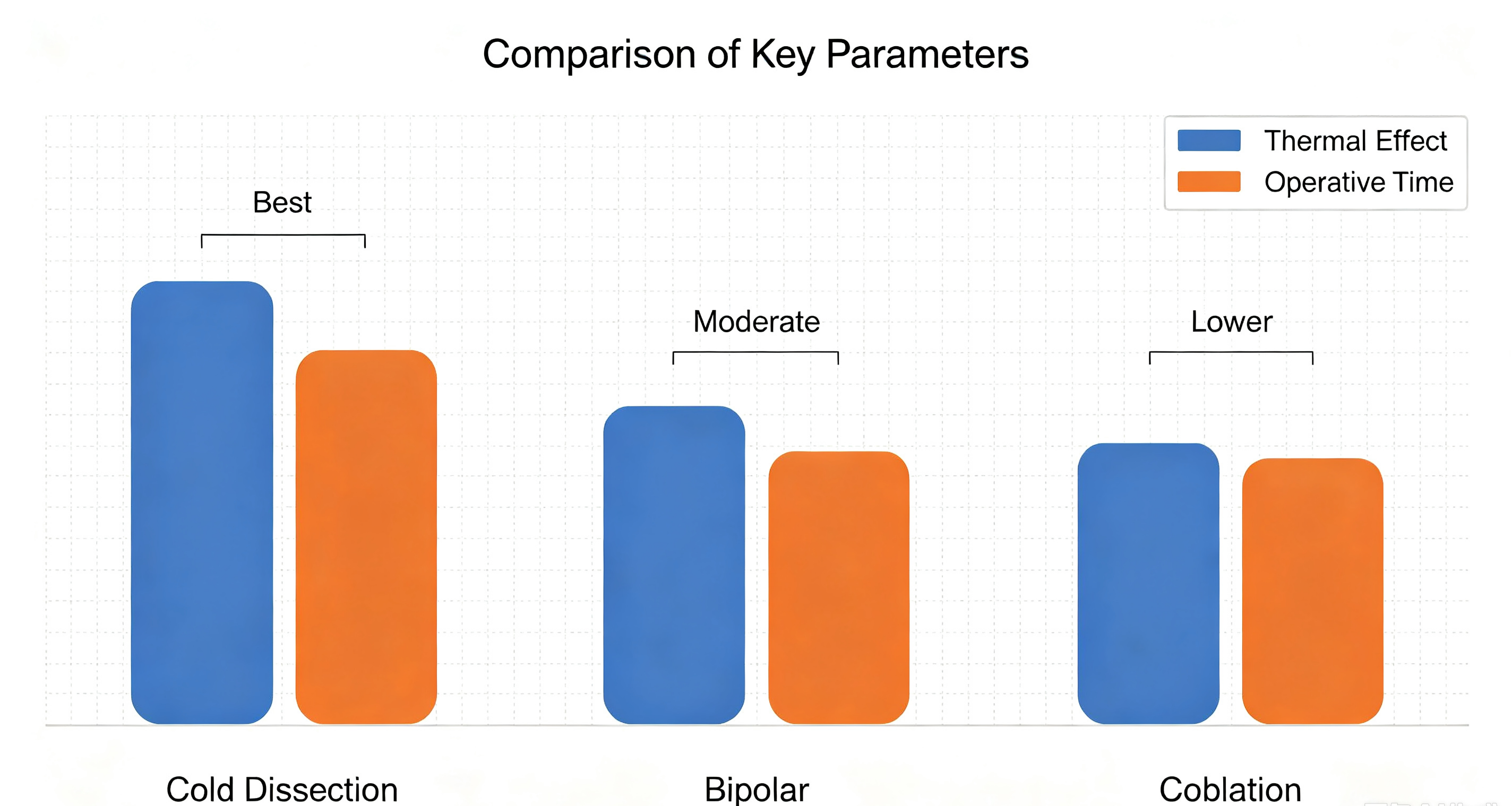
Feature | Coblation | Cold Dissection | Bipolar Electrosurgery |
Energy | Bipolar RF / plasma | Mechanical | Bipolar electrical energy |
Thermal effect | Relatively low | Minimal | Higher |
Tissue removal | Ablation | Mechanical dissection | Cutting/coagulation |
Suction & irrigation | Often integrated | Separate | Usually separate |
Hemostasis | Coagulation | Conventional methods | Coagulation |
Recovery | May be favorable in selected cases | Well established | Depends on technique |
No single technique is ideal for every patient. Surgical approach, patient factors, and surgeon preference all play a role in the final choice.
Intracapsular vs. Extracapsular Coblation
Coblation can be used for both intracapsular and extracapsular tonsil procedures.
Intracapsular Coblation
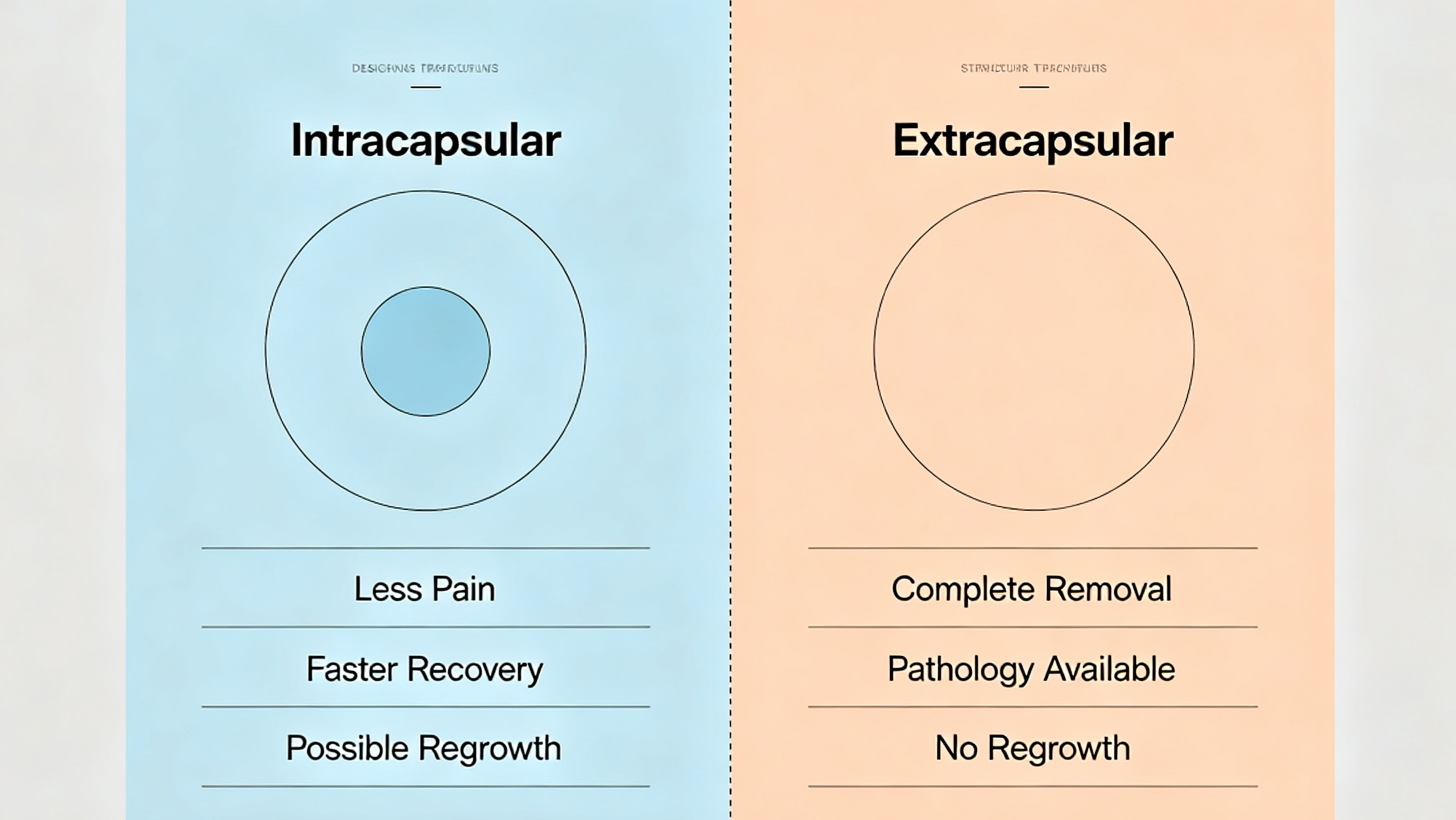
Intracapsular tonsillectomy removes most of the tonsillar tissue while preserving the capsule.
It is commonly used in children with enlarged tonsils and obstructive sleep-disordered breathing. Because less tissue is removed, patients may experience less postoperative pain and a faster recovery.
A small amount of tonsillar tissue remains, however, so regrowth and the need for revision surgery are possible.
Extracapsular Coblation
Extracapsular tonsillectomy removes the tonsil together with its capsule.
This approach may be preferred when complete removal is required, including selected cases of recurrent infection or when tissue needs to be sent for pathological examination.
Surgical Considerations
Hemostasis
Bleeding remains an important consideration in any tonsillectomy. Coblation can provide coagulation during surgery, but it does not eliminate the risk of postoperative hemorrhage.
Energy Settings
The wand and generator should always be used according to the manufacturer's instructions. Appropriate energy settings and surgical technique are important for controlled tissue treatment.
Suction and Irrigation
Effective suction helps remove blood and tissue debris, while irrigation supports the conductive environment required for Coblation.
The design of the suction and irrigation channels can therefore be an important factor when selecting a Coblation wand.
Surgeon Experience
As with any surgical technology, outcomes depend partly on the surgeon's experience with the device and technique.
Proper training and appropriate device settings are essential for consistent results.、
Choosing a Coblation Wand
For hospitals and ENT surgeons, the design of the Coblation wand is an important consideration.
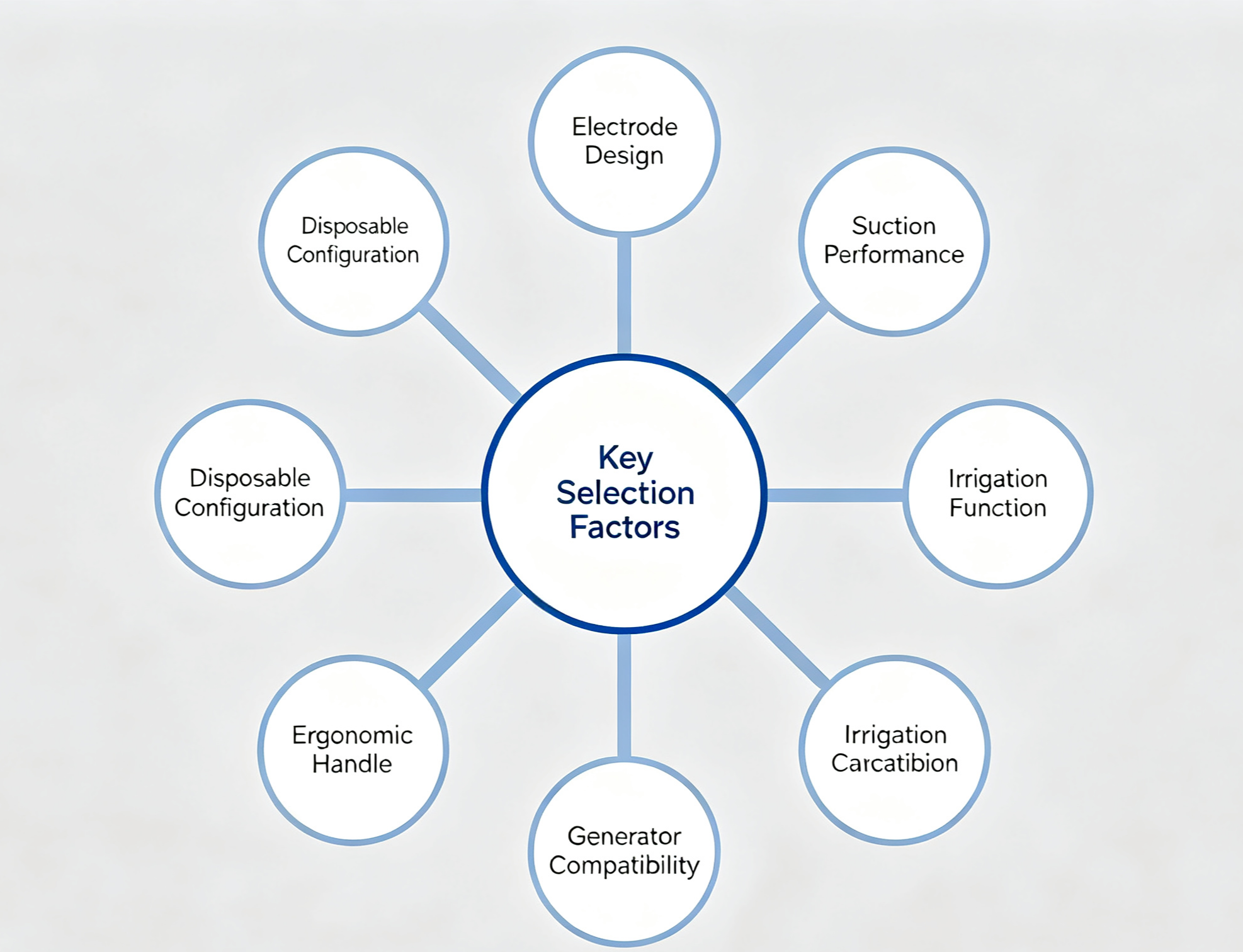
Key factors include:
· Electrode design and intended application
· Suction and irrigation performance
· Generator compatibility
· Handle and ergonomic design
· Disposable configuration
· Product quality and regulatory documentation
For distributors and medical device importers, ISO 13485 certification, product specifications, regulatory documents, and registration support may also be important when evaluating a supplier.
Conclusion
Coblation tonsillectomy provides ENT surgeons with a controlled method for tissue ablation and coagulation using bipolar radiofrequency energy.
Its relatively low-temperature operation, integrated suction and irrigation, and versatile wand design make Coblation a useful option for both intracapsular and extracapsular tonsil procedures.
As with any surgical technique, the choice of Coblation should be based on the patient's condition, surgical objectives, and surgeon experience.
ENT&PAIN develops and manufactures Coblation wands and radiofrequency plasma surgical electrodes for ENT and minimally invasive procedures. We support hospitals, distributors, and medical device partners with product supply, OEM/ODM services, and regulatory documentation for international markets.
For Coblation wand specifications, generator compatibility, or OEM/ODM cooperation, contact the ENT&PAIN team.