

What Is an ENT Microdebrider? A Practical Guide
What Is an ENT Microdebrider?
An ENT microdebrider is a powered surgical instrument used to remove soft tissue, polyps, and, with the appropriate blade, bone during ENT procedures.
Unlike conventional forceps or curettes, a microdebrider combines cutting and suction in one instrument. Suction draws tissue into the blade opening, while a rotating or oscillating inner cannula cuts the tissue and removes the debris.
This allows surgeons to perform controlled tissue removal while maintaining good endoscopic visualization. Microdebriders are widely used in rhinology and other areas of ENT surgery.
How Does a Microdebrider Work?
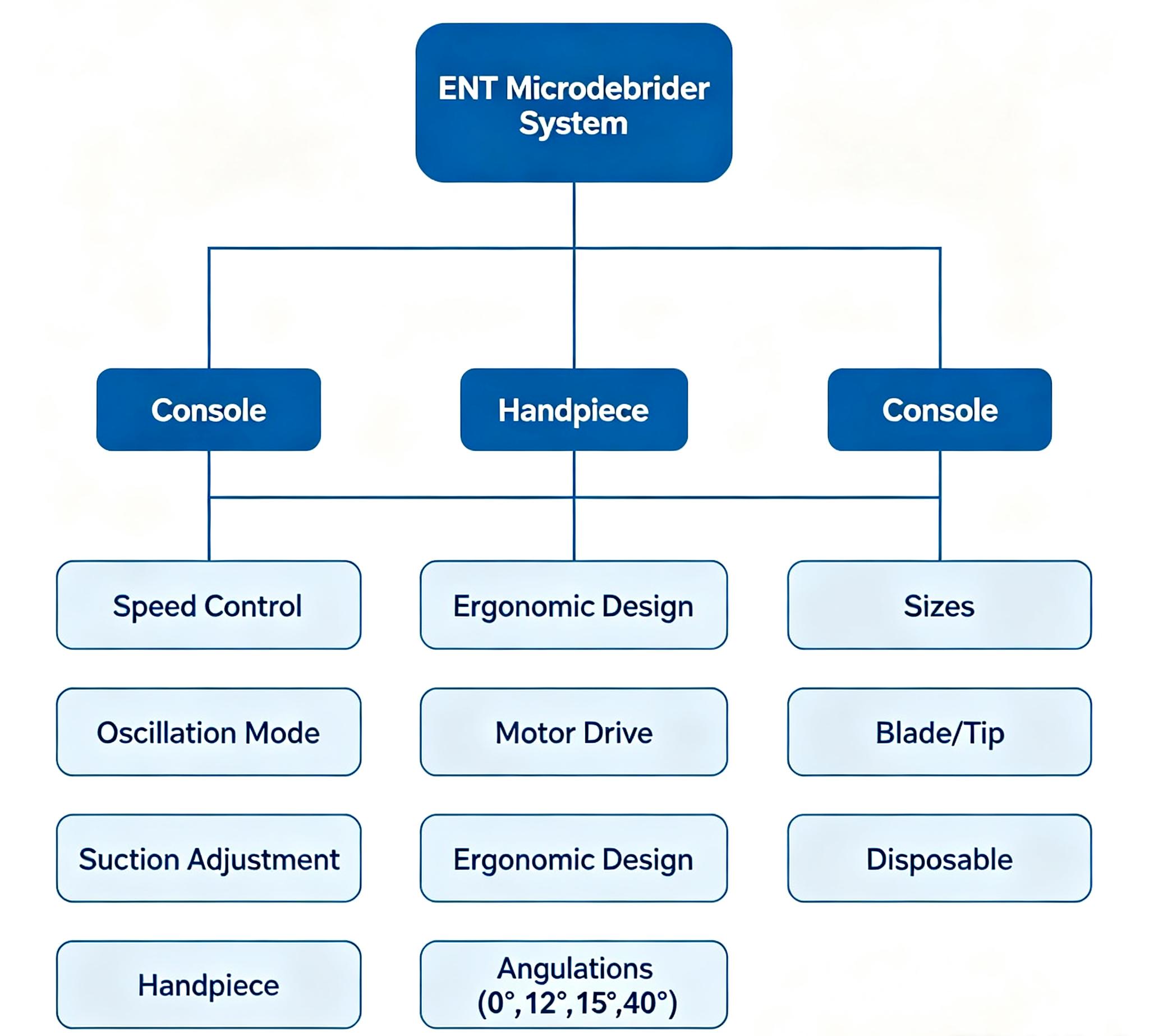
A typical microdebrider system consists of three main components:
· Console: Controls cutting speed, direction, and operating modes.
· Handpiece: Connects the console to the blade and transfers the motor's movement.
· Blade or tip: Available in different sizes and angles for different procedures.
During surgery, suction draws the target tissue into the blade opening. The inner cannula then rotates or oscillates against the outer cannula to cut the tissue. The suction channel removes the tissue fragments and fluid from the surgical field.
Depending on the procedure, surgeons can select different speeds, cutting modes, and blade designs.
Common Applications in ENT Surgery
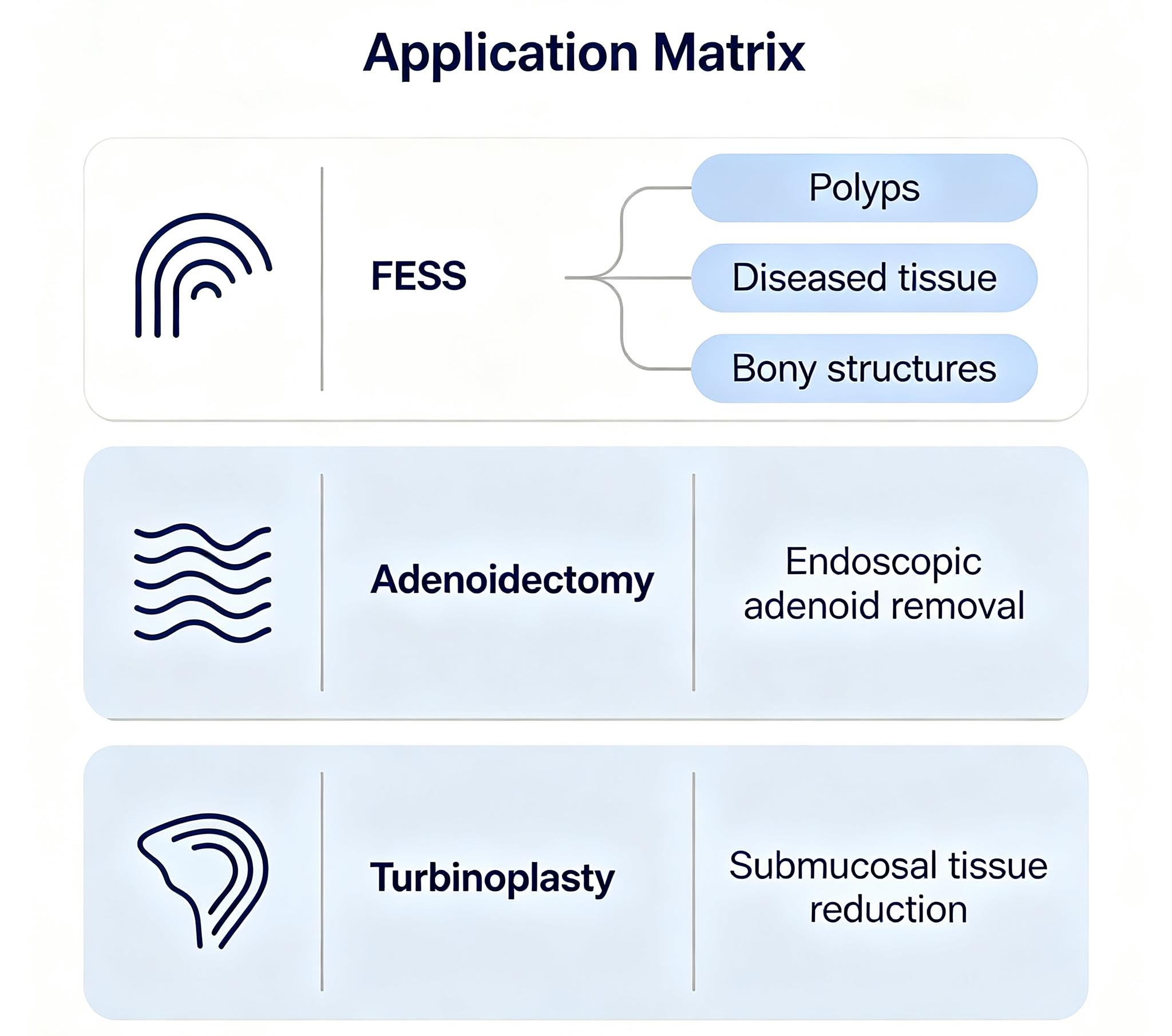
FESS
Functional endoscopic sinus surgery (FESS) is one of the most common applications for microdebriders.
They can be used to remove nasal polyps, diseased soft tissue, and selected bony structures under endoscopic visualization. Angled blades can also provide access to areas that are difficult to reach with straight instruments.
Adenoidectomy
Microdebriders can be used for endoscopic adenoidectomy, allowing surgeons to remove adenoid tissue under direct visualization.
The technique can provide controlled tissue removal while allowing the surgeon to monitor surrounding anatomical structures.
Turbinoplasty
For inferior turbinate hypertrophy, a microdebrider can be used for submucosal tissue reduction while preserving the overlying mucosa.
Blade selection and surgical technique depend on the patient's anatomy and the surgeon's preference.
Other ENT Procedures
Depending on the blade design and system configuration, microdebriders may also be used in other soft-tissue procedures in otolaryngology.
Advantages of Microdebrider Systems
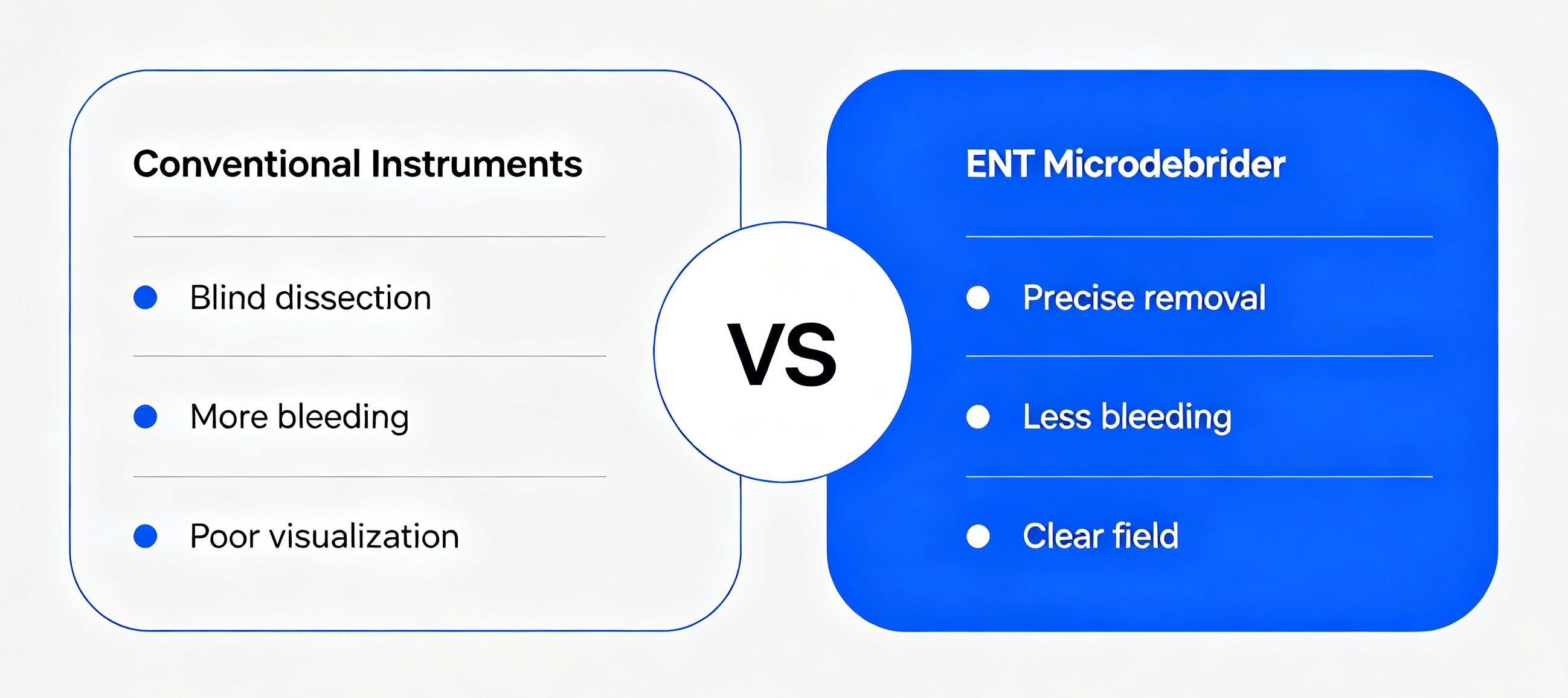
Microdebriders offer several practical advantages during ENT procedures:
· Controlled tissue removal: Helps surgeons remove targeted tissue precisely.
· Integrated suction: Removes tissue fragments and fluid during cutting.
· Improved visualization: Helps keep the endoscopic field clear.
· Different blade options: Straight and angled blades are available for different anatomical locations.
· Efficient workflow: Cutting and suction are combined in one instrument.
Microdebriders require appropriate training and careful endoscopic control. The surgeon should maintain clear visualization of the working tip throughout the procedure.
How to Choose an ENT Microdebrider
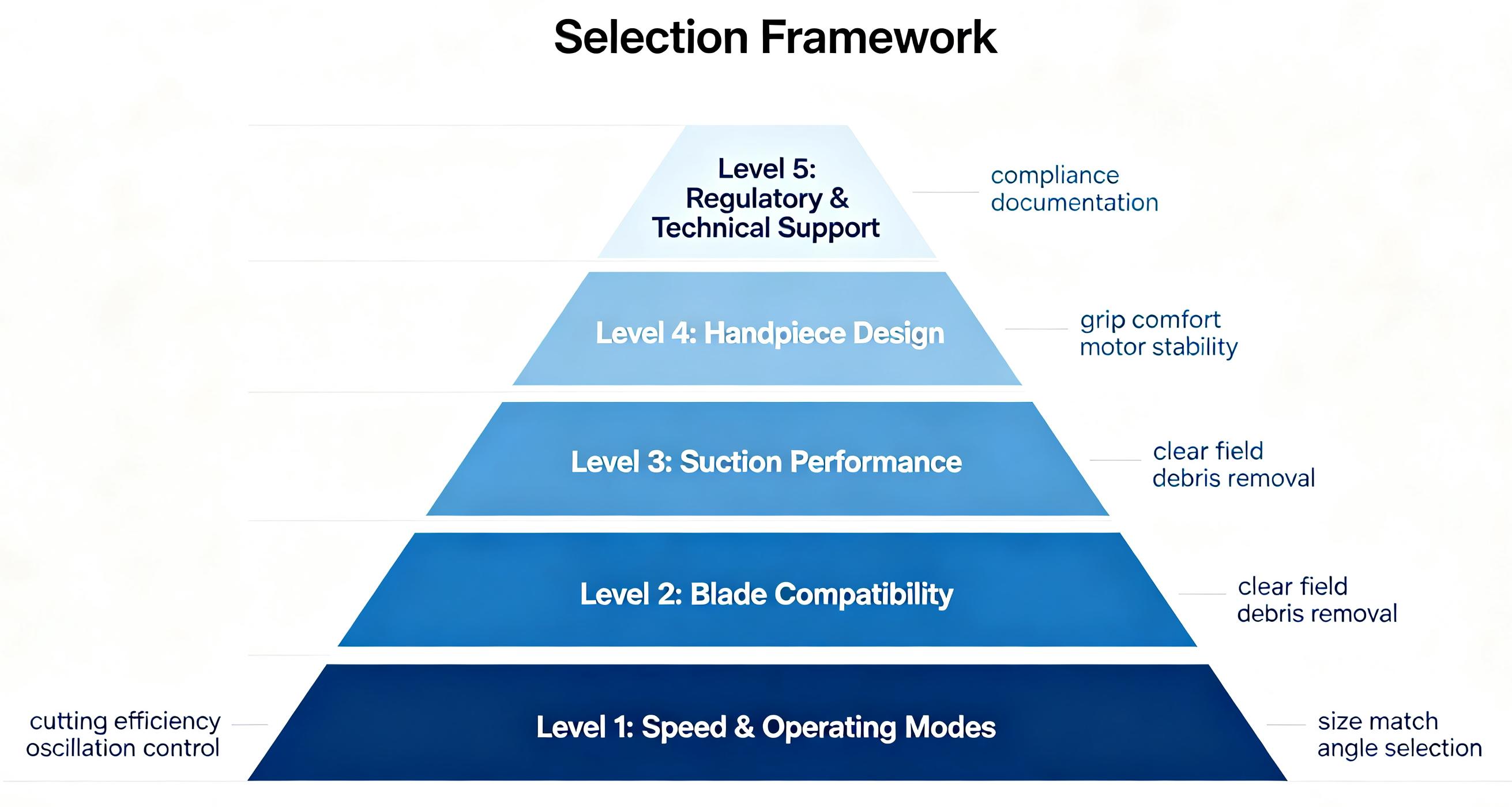
When selecting a microdebrider system, hospitals and surgeons should consider:
Speed and Operating Modes
The system should provide suitable speed settings and, where applicable, rotation and oscillation modes.
Blade Compatibility
A range of blade sizes and angles allows the system to be used for different ENT procedures.
Suction Performance
Stable suction is important for efficient tissue removal and a clear surgical field.
Handpiece Design
A lightweight and ergonomic handpiece can improve handling during longer procedures.
Disposable Blades
For single-use systems, consistent cutting performance, sterile packaging, and reliable quality are important considerations.
Regulatory and Technical Support
For international procurement, buyers should also review product specifications, regulatory documentation, quality certifications, and after-sales support.
ENT Microdebrider Manufacturer
ENTPAIN specializes in ENT surgical instruments and disposable medical devices, including microdebrider systems and blades, Coblation wands, and RF plasma surgical electrodes.
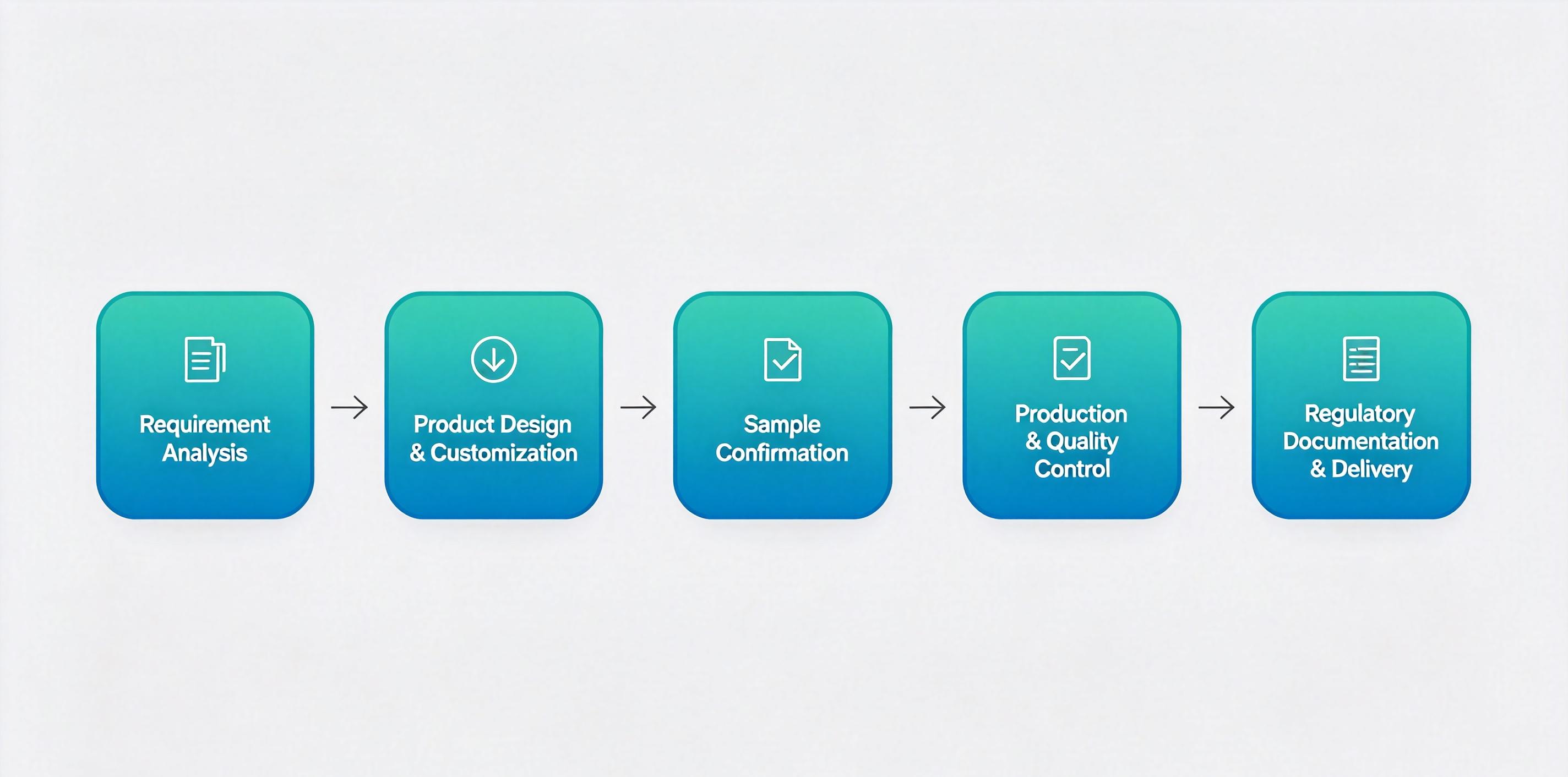
We support hospitals, distributors, and medical device companies with product supply, OEM/ODM services, technical documentation, and regulatory support for international markets.
If you are looking for an ENT microdebrider or disposable microdebrider blades, contact ENTPAIN to discuss your product and distribution requirements.
Conclusion
The ENT microdebrider combines mechanical cutting and suction in a single surgical instrument. Its controlled tissue removal and continuous suction make it particularly useful for procedures such as FESS, adenoidectomy, and turbinoplasty.
When choosing a microdebrider system, consider the blade design, operating modes, suction performance, ergonomics, compatibility, and manufacturer's support.