

What Is a Coblator? Understanding Coblation Technology in Modern Surgery
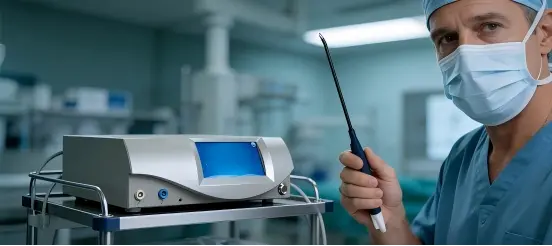
A Coblator is an advanced radiofrequency surgical system designed for precise tissue removal, ablation, and coagulation. Unlike traditional surgical instruments that rely on mechanical cutting or high-temperature energy, a Coblator uses a specialized disposable wand to create a controlled plasma field in a saline environment.
This process, known as Coblation technology, uses low-temperature radiofrequency energy to break molecular bonds within targeted tissue. The system typically operates at temperatures between 40°C and 70°C, significantly lower than conventional electrosurgical devices. As a result, it minimizes thermal damage to surrounding structures while allowing surgeons to perform highly controlled procedures.
The plasma layer generated at the tip of the wand is extremely thin, usually around 50–100 microns, enabling precise tissue treatment with a limited thermal spread of less than 1 mm.
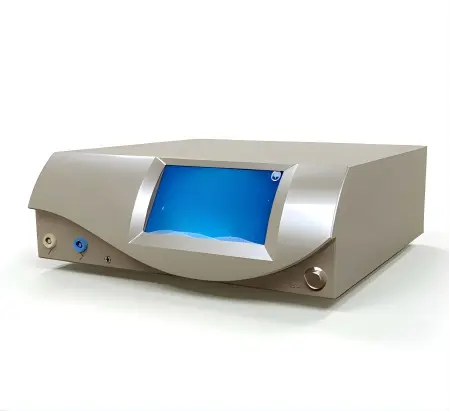
How Does Coblation Technology Work?
Coblation works by applying radiofrequency energy through a specialized electrode in a saline environment. The energy creates a plasma field containing highly energized particles that interact with tissue at a molecular level.
Rather than burning tissue through extreme heat, the plasma field disrupts molecular bonds, allowing targeted tissue removal while preserving nearby healthy structures.
This low-temperature mechanism makes Coblation particularly valuable in procedures where precision and reduced tissue trauma are critical.
Key Benefits of Coblator Technology
Lower Thermal Damage
Because Coblation operates at much lower temperatures than traditional electrosurgical methods, it reduces the risk of carbonization and minimizes damage to surrounding tissues. Many clinical applications have shown reduced postoperative discomfort and swelling compared with conventional techniques.
Precise Tissue Removal
The controlled energy delivery allows surgeons to remove or reshape tissue with high accuracy. The effect is generally limited to a small area around the electrode tip, helping protect adjacent anatomical structures.
Multiple Surgical Functions in One Device
A Coblator wand can perform several functions during surgery, including:
· Tissue cutting and ablation
· Coagulation for bleeding control
· Suction and irrigation
This combination can simplify surgical workflows by reducing the need to switch between multiple instruments.
Improved Bleeding Control and Recovery
Coblation systems can coagulate small blood vessels during tissue removal, with some devices capable of sealing vessels up to approximately 1 mm in diameter. Reduced bleeding and tissue trauma may contribute to shorter recovery times and, in many cases, same-day discharge.

Common Clinical Applications of Coblation
Coblation technology is widely used across multiple surgical specialties, including:
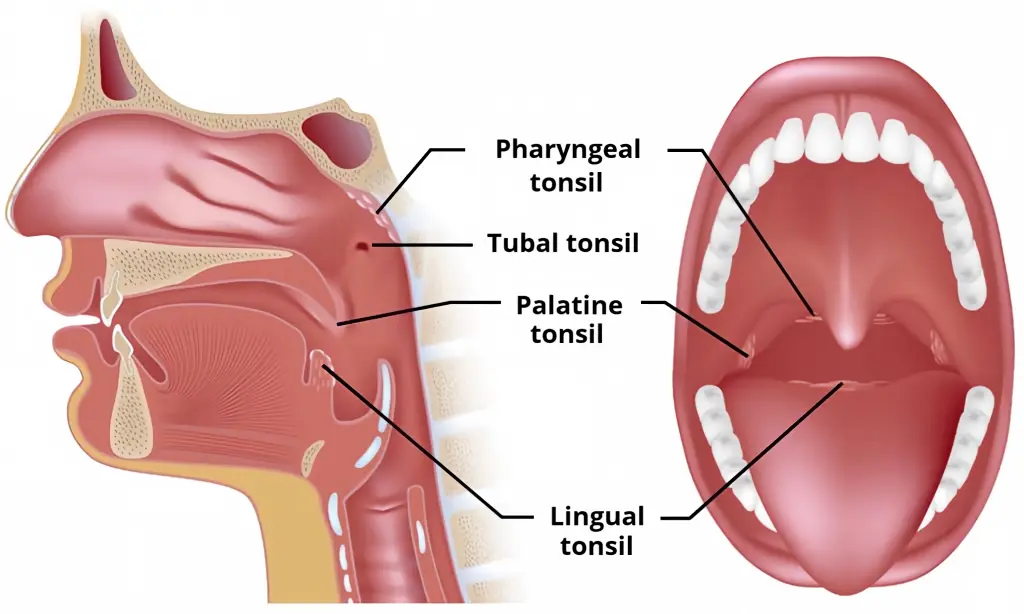
ENT Surgery
Coblator systems are commonly used in ear, nose, and throat procedures such as:
· Tonsillectomy
· Adenoidectomy
· Turbinate reduction
· Treatment of obstructive airway conditions
The technology is especially popular in ENT surgery because of the need for precise treatment in delicate anatomical areas.
Spine Surgery
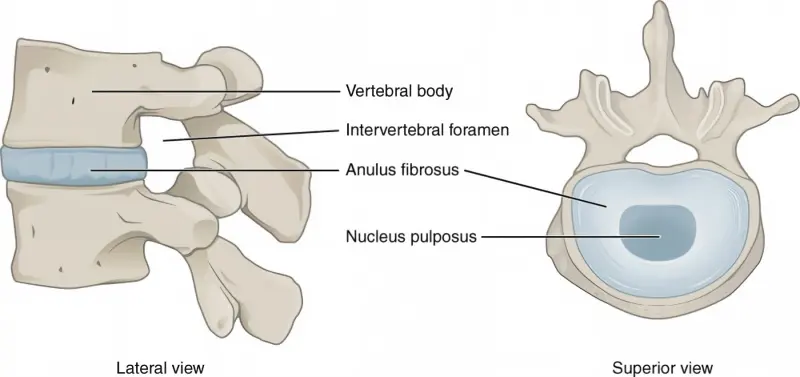
In spinal procedures, Coblation may be used for minimally invasive disc decompression and nucleus pulposus removal. The controlled energy delivery helps reduce pressure on surrounding spinal structures.
Urology
Coblation technology can also be applied in urological procedures, including prostate tissue removal, where controlled ablation and bleeding management are important.
Other Surgical Fields
Additional applications include:
· Gynecological procedures
· Neurosurgery
· General minimally invasive surgery
As surgical techniques continue moving toward less invasive approaches, the use of Coblation systems continues to expand.
Coblator Market Growth and Industry Outlook
The demand for Coblation technology has increased as healthcare providers continue adopting minimally invasive surgical solutions. The global Coblator electrode market was valued at approximately $970 million in 2025 and is expected to grow to around $1.74 billion by 2032, representing a compound annual growth rate (CAGR) of approximately 8.8%.
Growth is being driven by several factors, including:
· Increasing demand for minimally invasive procedures
· Growing adoption of disposable surgical instruments
· Focus on reducing surgical complications and recovery time
· Rising healthcare investment worldwide
Frequently Asked Questions About Coblator Technology
Is a Coblator wand reusable?
No. Most Coblator wands are designed as single-use disposable devices. Using disposable instruments helps reduce the risk of cross-contamination and ensures consistent performance during each procedure.
How much does a Coblator wand cost?
The cost of a Coblator wand varies depending on the model, supplier, and purchasing volume. Typical prices range from approximately ¥1,800 to ¥6,800 (around $250–$950) per unit. Hospitals and distributors may receive lower prices through bulk procurement agreements.
What is the difference between Coblation and electrocautery?
The main difference is the operating temperature and mechanism of action. Electrocautery relies on high heat to cut or coagulate tissue, which can create more thermal damage. Coblation uses low-temperature plasma technology, allowing more controlled tissue treatment with reduced collateral damage.
Conclusion
Coblation technology represents an important advancement in modern minimally invasive surgery. By combining low-temperature energy, precise tissue removal, and effective bleeding control, Coblator systems provide surgeons with a versatile tool for a wide range of procedures.
As healthcare continues to prioritize patient comfort, faster recovery, and reduced surgical trauma, Coblation technology is expected to play an increasingly important role in surgical innovation.