

Used Medical Equipment: How Hospitals Reduce Costs Without Compromising Quality
A Complete Guide to Refurbished Medical Devices for Healthcare Providers
Introduction: Why More Hospitals Are Choosing Used Medical Equipment
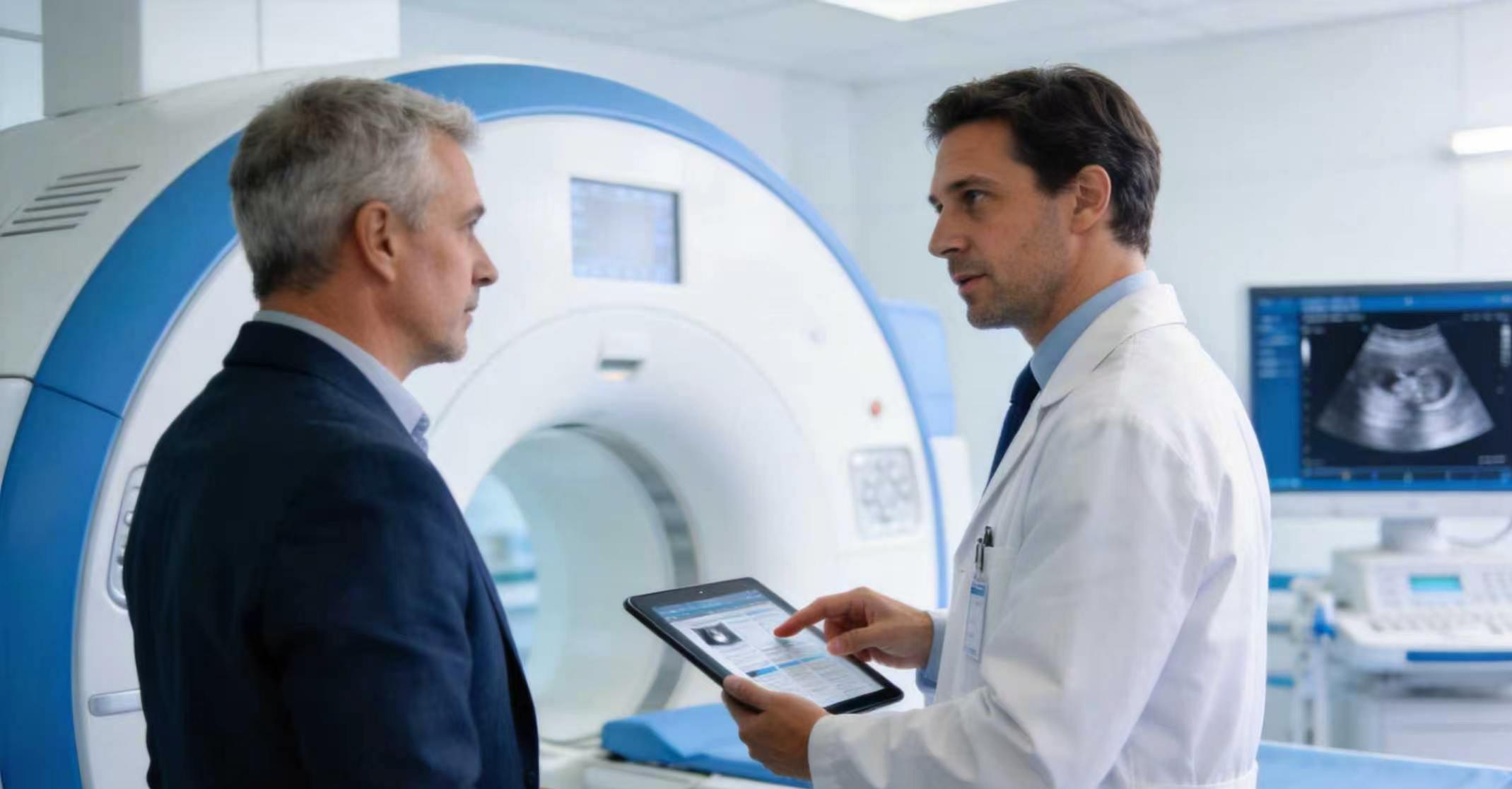
Healthcare systems worldwide are under increasing financial pressure. Hospitals, private clinics, and diagnostic centres must invest in advanced medical technology while controlling operational expenses.According to industry reports, healthcare providers in the United States spend billions of dollars every year on medical equipment upgrades, while many hospitals face increasing pressure to improve efficiency and reduce capital expenditure.This has created a growing demand for used medical equipment and refurbished medical devices.Rather than replacing every device with a brand-new model, many healthcare organisations are choosing professionally refurbished equipment that delivers reliable performance at a significantly lower investment.From ultrasound systems and patient monitors to surgical equipment and laboratory analysers, the secondary medical equipment market provides healthcare providers with more flexible purchasing options.
The Growing Demand for Refurbished Medical Equipment
A Cost-Efficient Solution for Modern Healthcare
The global medical equipment industry continues to expand, driven by ageing populations, increasing chronic diseases, and growing demand for diagnostic services.However, the high cost of new medical technology remains a challenge.For example:
· A new MRI system can cost several million dollars.
· Advanced CT scanners require significant capital investment.
· Operating room equipment and monitoring systems can represent major expenses for hospitals.
For many healthcare facilities, especially independent clinics, community hospitals, and developing healthcare markets, purchasing refurbished medical equipment provides access to advanced technology without the full cost of new equipment.
What Is Used Medical Equipment?
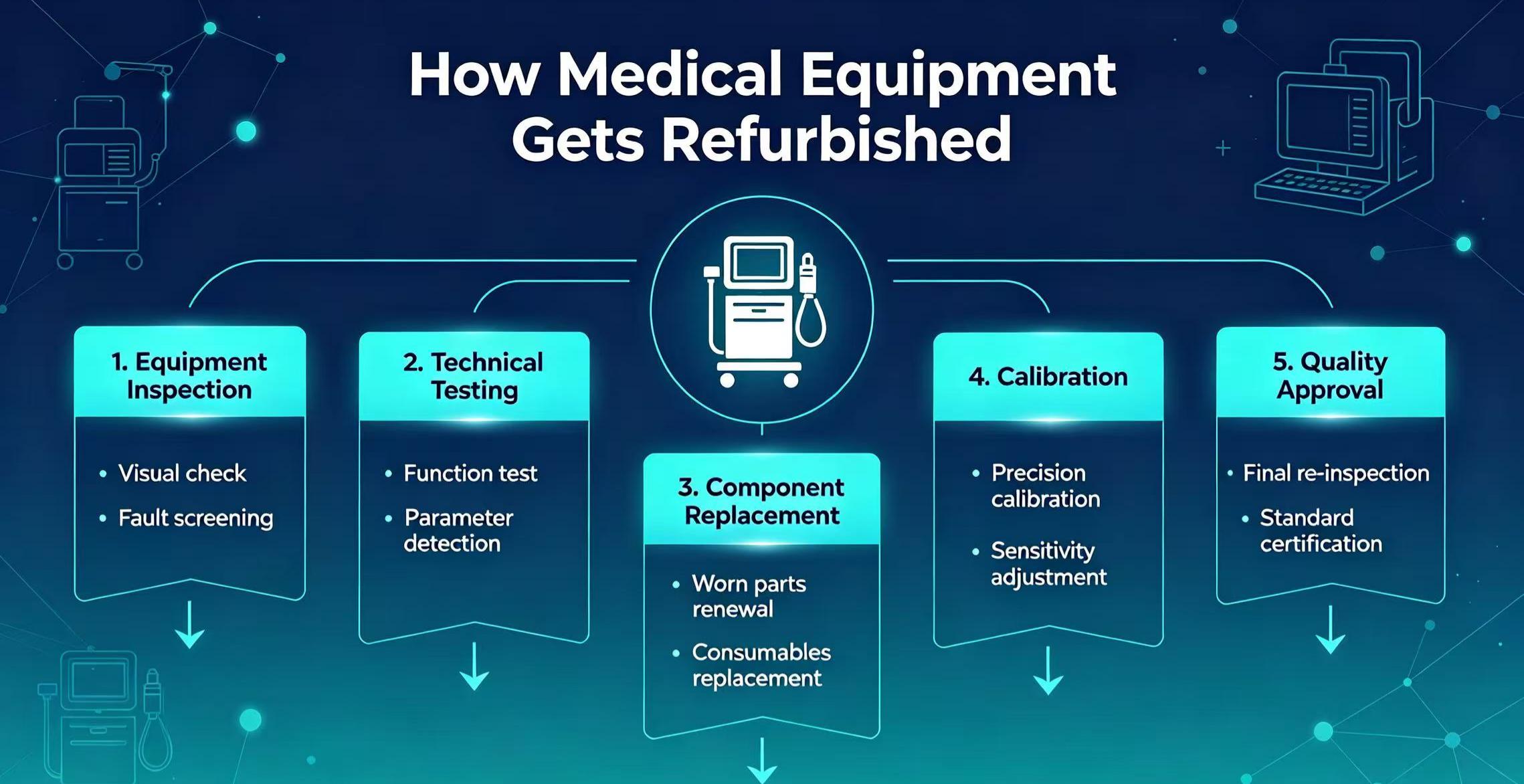
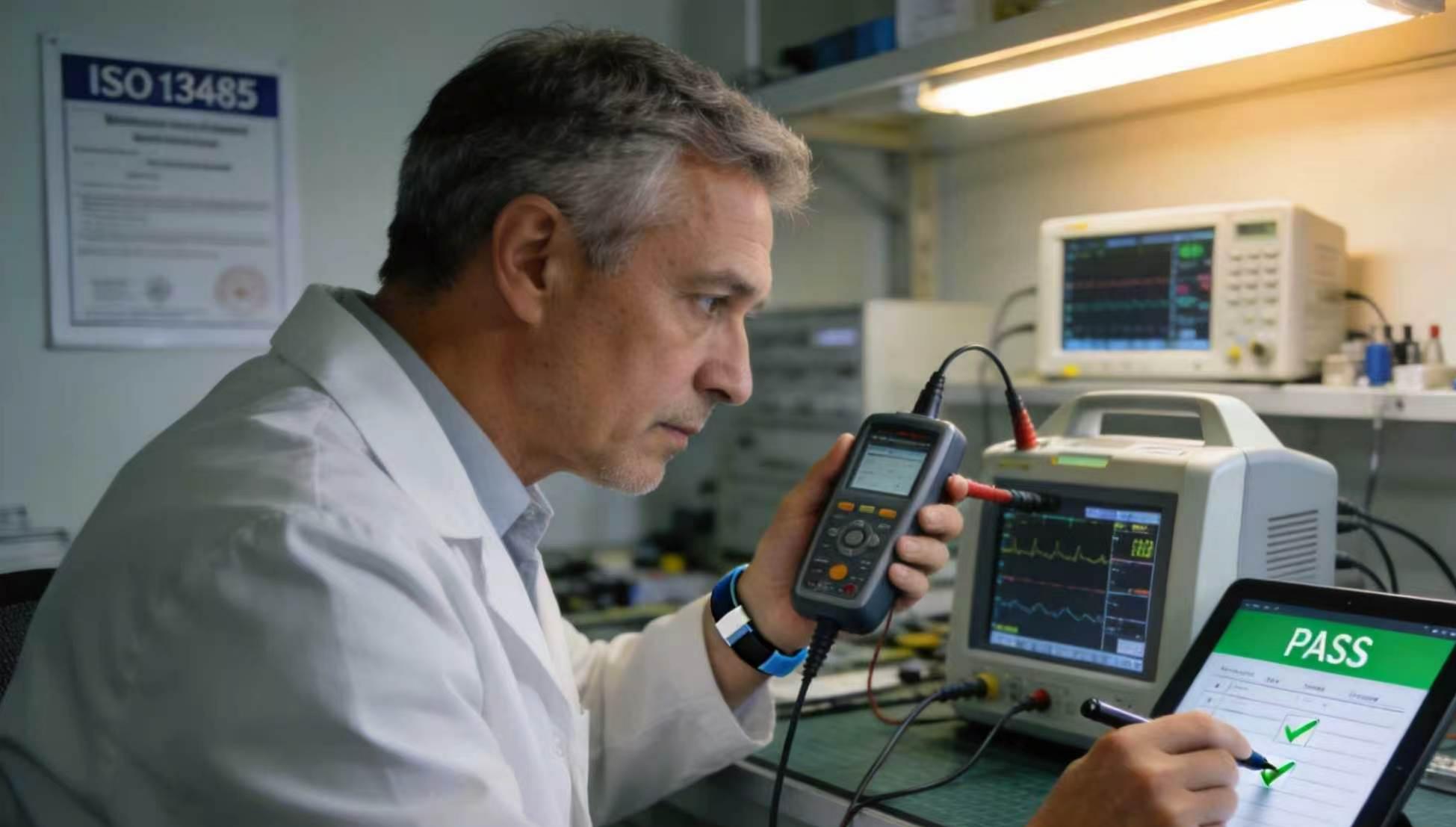
Used medical equipment refers to medical devices that have previously been installed and operated in hospitals, clinics, or healthcare facilities and are later sold, inspected, refurbished, and returned to service.Professional refurbishment is very different from simply reselling old equipment.A reliable refurbished medical equipment supplier typically performs:
Equipment Inspection
Every device should be carefully examined to identify operational issues.
Performance Testing
Critical functions are tested to ensure the equipment operates according to manufacturer specifications.
Component Replacement
Worn parts, batteries, cables, probes, or mechanical components may be replaced.
Calibration and Quality Verification
Equipment accuracy and safety parameters are checked before delivery.
Cleaning and Safety Processing
Medical devices undergo professional cleaning and preparation before installation.
Why Hospitals and Clinics Buy Used Medical Equipment
1. Significant Cost Savings
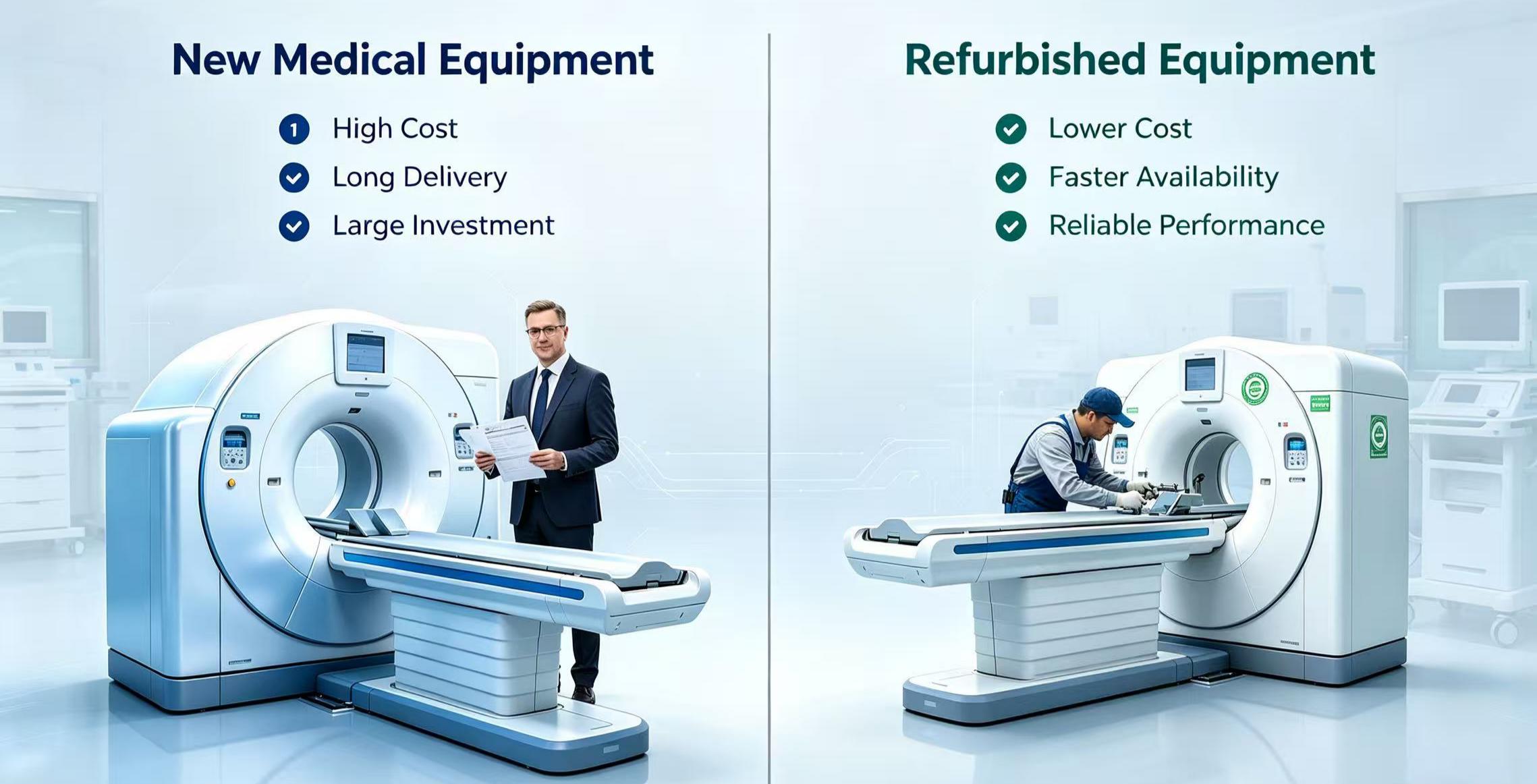
Cost reduction is the primary reason healthcare providers consider refurbished equipment.Depending on the equipment type, refurbished medical devices may cost 30%–70% less than comparable new systems.This allows healthcare organisations to:
· Expand medical services
· Purchase additional equipment
· Improve patient capacity
· Invest in staff training
· Upgrade facilities
For smaller healthcare providers, the difference between buying new and refurbished equipment can determine whether a service expansion is financially possible.

2. Access to Premium Medical Technology
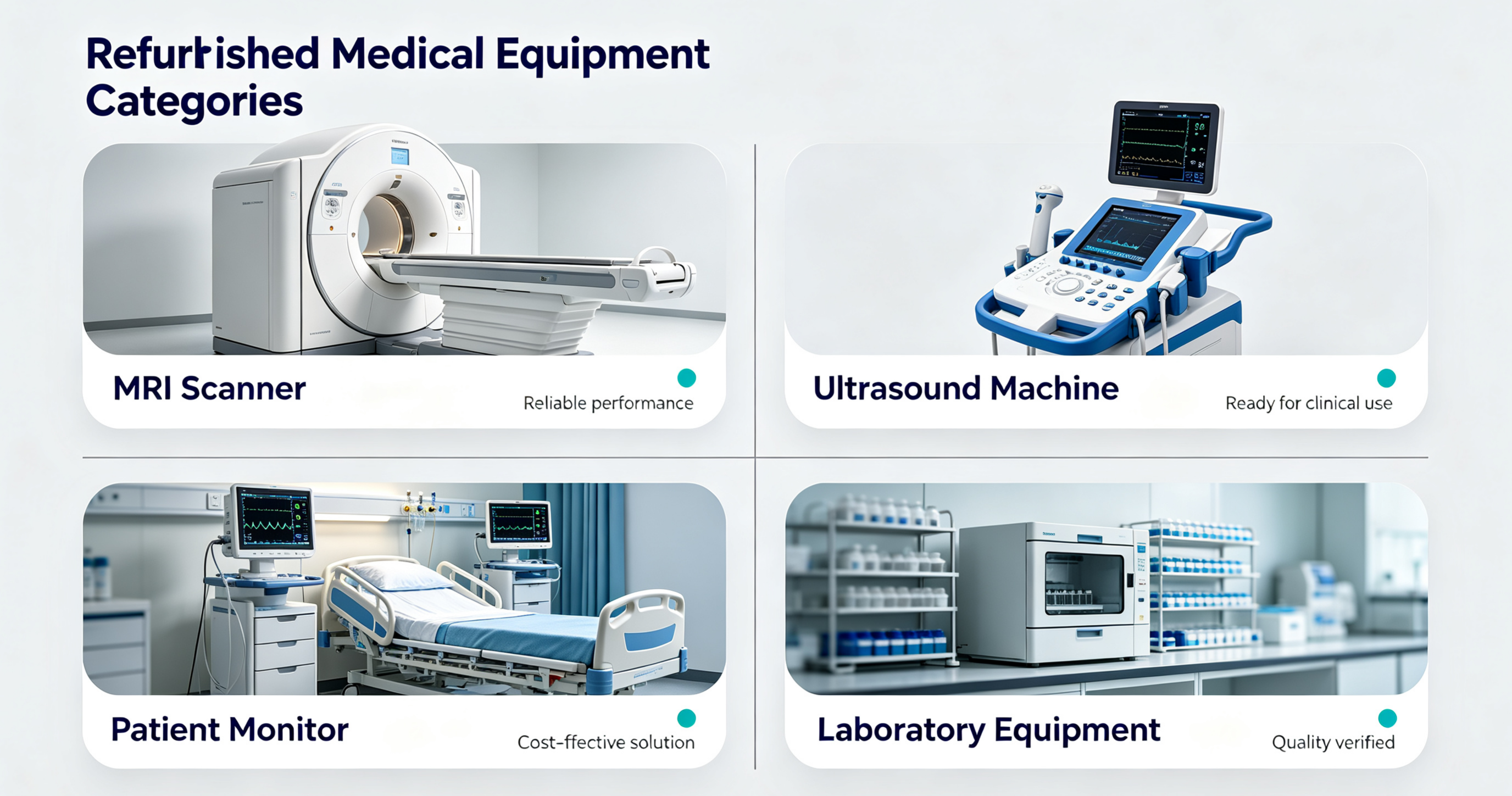
Medical technology evolves quickly. Hospitals often upgrade equipment before the end of its useful operational life.This creates opportunities for other healthcare providers to purchase high-quality systems at lower prices.Commonly available used medical equipment includes:
Diagnostic Imaging Equipment
· Used ultrasound machines
· Used CT scanners
· Used MRI systems
· Digital X-ray machines
Patient Care Equipment
· Patient monitoring systems
· Anaesthesia machines
· Ventilators
· Infusion pumps
Laboratory Equipment
· Laboratory analysers
· Blood testing systems
· Microscopes
· Centrifuges
Many refurbished devices still provide excellent clinical performance when properly maintained.
3. Faster Equipment Availability
New medical equipment often involves:
· Manufacturing lead times
· International shipping delays
· Installation scheduling
· Training requirements
Refurbished equipment is frequently available much faster, allowing healthcare facilities to start operations sooner.This is particularly valuable for:
· New clinics
· Expanding hospitals
· Emergency healthcare projects
· Medical facilities in developing regions

4. Supporting Sustainable Healthcare
Healthcare generates significant amounts of electronic waste.Extending the lifecycle of medical equipment supports environmentally responsible healthcare practices.Choosing refurbished medical devices helps:
· Reduce electronic waste
· Maximise equipment lifespan
· Lower unnecessary manufacturing demand
· Support circular economy principles
Many hospitals are now including sustainability goals in procurement decisions, making refurbished equipment an increasingly attractive option.
Popular Used Medical Equipment Categories
Used Ultrasound Machines
Ultrasound equipment is one of the most commonly purchased refurbished medical devices.Applications include:
· Obstetrics and gynaecology
· Cardiology
· Emergency medicine
· General imaging
Leading brands commonly found in the secondary market include:
· GE Healthcare
· Philips
· Siemens Healthineers
· Canon Medical Systems
Used MRI and CT Equipment
Advanced imaging systems represent some of the largest investments in healthcare.Refurbished imaging equipment allows hospitals and diagnostic centres to access advanced technology at reduced costs.Important considerations include:
· Scanner condition
· Software version
· Service history
· Installation requirements
· Technical support availability
Used Patient Monitoring Systems
Patient monitors are essential in:
· Intensive care units
· Emergency departments
· Operating rooms
· General wards
Refurbished monitoring equipment helps healthcare facilities maintain patient care standards while managing budgets.
How to Choose a Reliable Used Medical Equipment Supplier
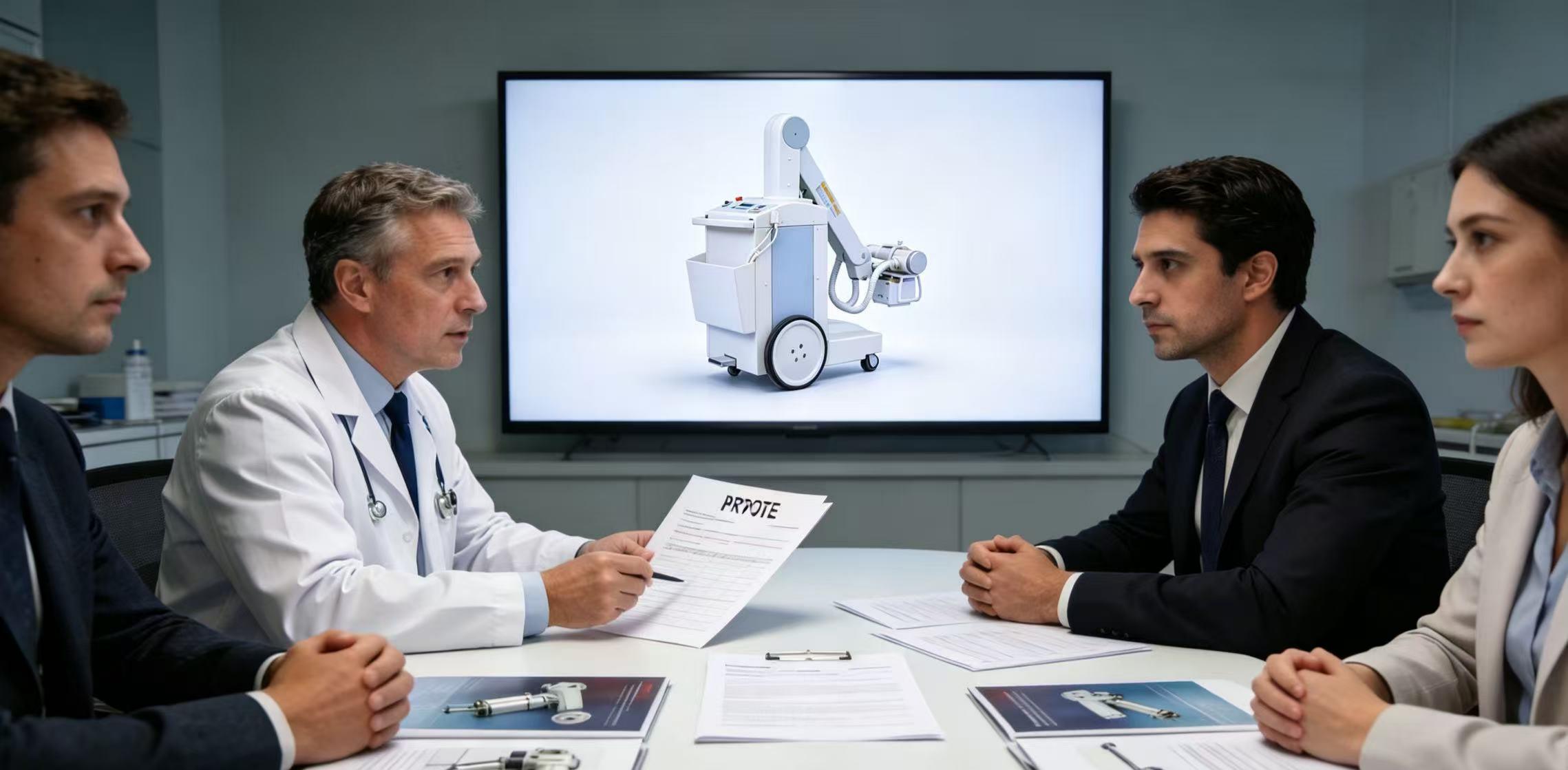
Choosing the right supplier is one of the most important steps when purchasing refurbished medical equipment.
1. Verify Equipment History
Before purchasing, ask for:
· Manufacturing year
· Previous usage details
· Maintenance records
· Service history
· Previous ownership information
Transparency is a key indicator of supplier reliability.
2. Check Refurbishment Standards
A professional supplier should provide information about:
· Inspection procedures
· Testing process
· Replacement parts
· Calibration results
· Warranty coverage
3. Consider After-Sales Support
Medical equipment requires technical expertise.Reliable suppliers should offer:
· Installation assistance
· Operator training
· Technical support
· Spare parts availability
Used Medical Equipment vs New Medical Equipment Factor | Used Medical Equipment | New Medical Equipment |
Purchase Cost | Lower investment | Higher investment |
Availability | Faster delivery | Longer manufacturing time |
Technology | Previous generation | Latest models |
Depreciation | Lower depreciation | Higher initial depreciation |
Best For | Budget-conscious healthcare providers | Large hospitals requiring newest technology |
Is Refurbished Medical Equipment Safe?
Safety depends on the equipment condition, refurbishment quality, and supplier standards.Professionally refurbished medical equipment can provide reliable clinical performance when:
· Properly inspected
· Correctly calibrated
· Maintained according to guidelines
· Installed by qualified technicians
Healthcare providers should always request documentation before purchase.
The Future of the Used Medical Equipment Market
The demand for refurbished medical devices is expected to continue growing as healthcare providers focus on affordability and sustainability.Key market drivers include:
· Rising healthcare costs
· Expansion of private clinics
· Growing demand for diagnostic services
· Increased focus on sustainable procurement
· Healthcare development in emerging markets
For many hospitals and clinics, refurbished medical equipment represents a practical balance between technology access, financial responsibility, and quality patient care.
Conclusion
Used medical equipment is no longer viewed as simply a budget alternative. Today, professionally refurbished medical devices provide healthcare organisations with access to reliable technology while reducing capital investment.For hospitals, clinics, laboratories, and diagnostic centres looking to expand services efficiently, choosing the right refurbished equipment supplier can create significant financial and operational advantages.By focusing on equipment quality, certification, maintenance history, and supplier support, healthcare providers can confidently invest in second hand medical equipment without compromising patient care.
SEO Meta Title
Used Medical Equipment: Refurbished Medical Devices for Hospitals & Clinics
SEO Meta Description
Discover how used medical equipment helps hospitals and clinics reduce costs while accessing reliable refurbished medical devices. Learn buying tips, benefits, and equipment options.