Introduction
An electrosurgical pencil, also known as an electro pencil or electropencil, is a handheld device used with an electrosurgical generator to cut tissue and control bleeding. It delivers high-frequency electrical energy through an electrode tip and is widely used across surgical specialties.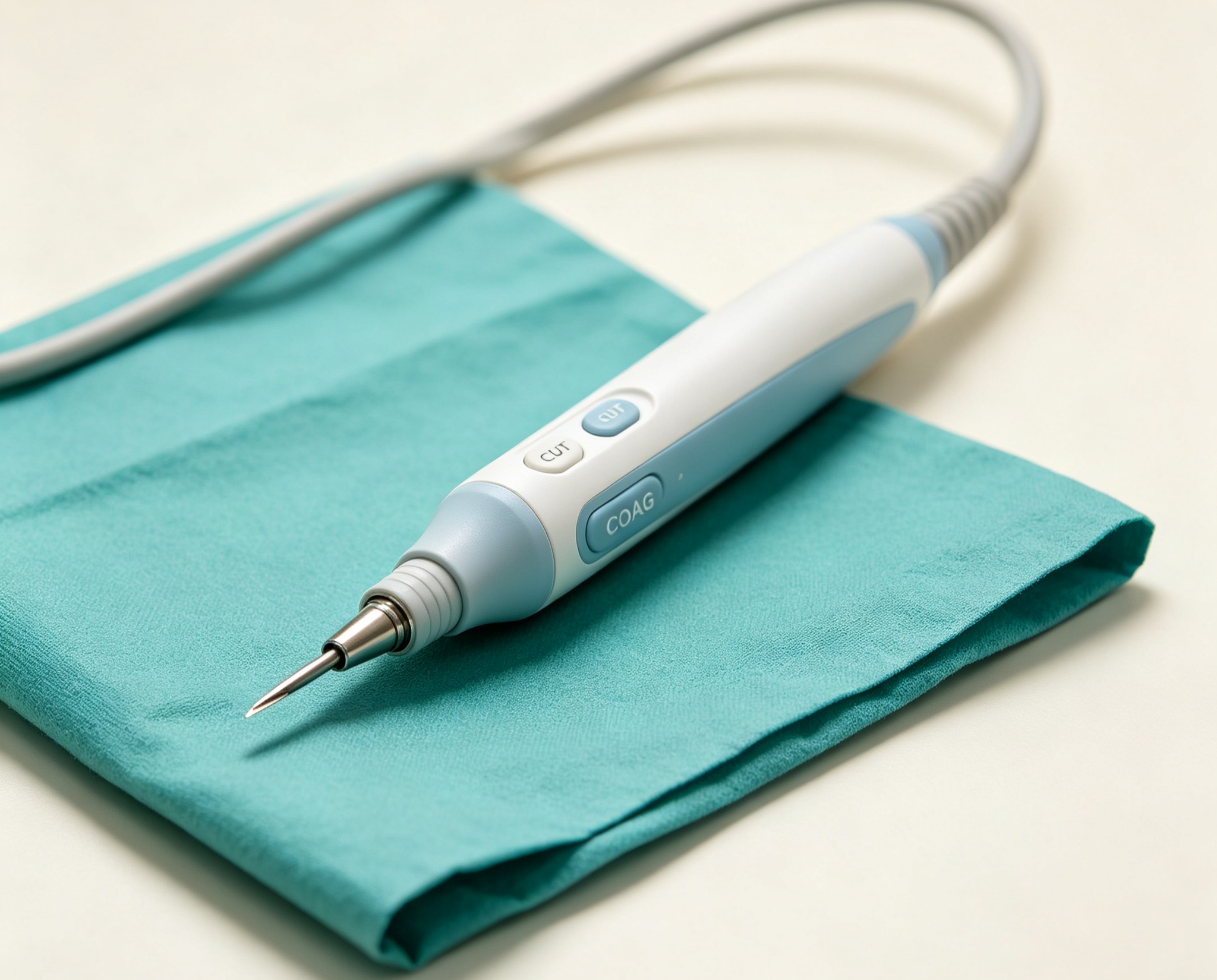
How Does an Electrosurgical Pencil Work?
An electrosurgical pencil delivers high-frequency electrical energy to the target tissue. Depending on the selected mode and power setting, the energy can produce tissue cutting or coagulation. Many generators also offer blended modes that combine both functions.
This allows surgeons to dissect tissue and control bleeding with the same handheld instrument.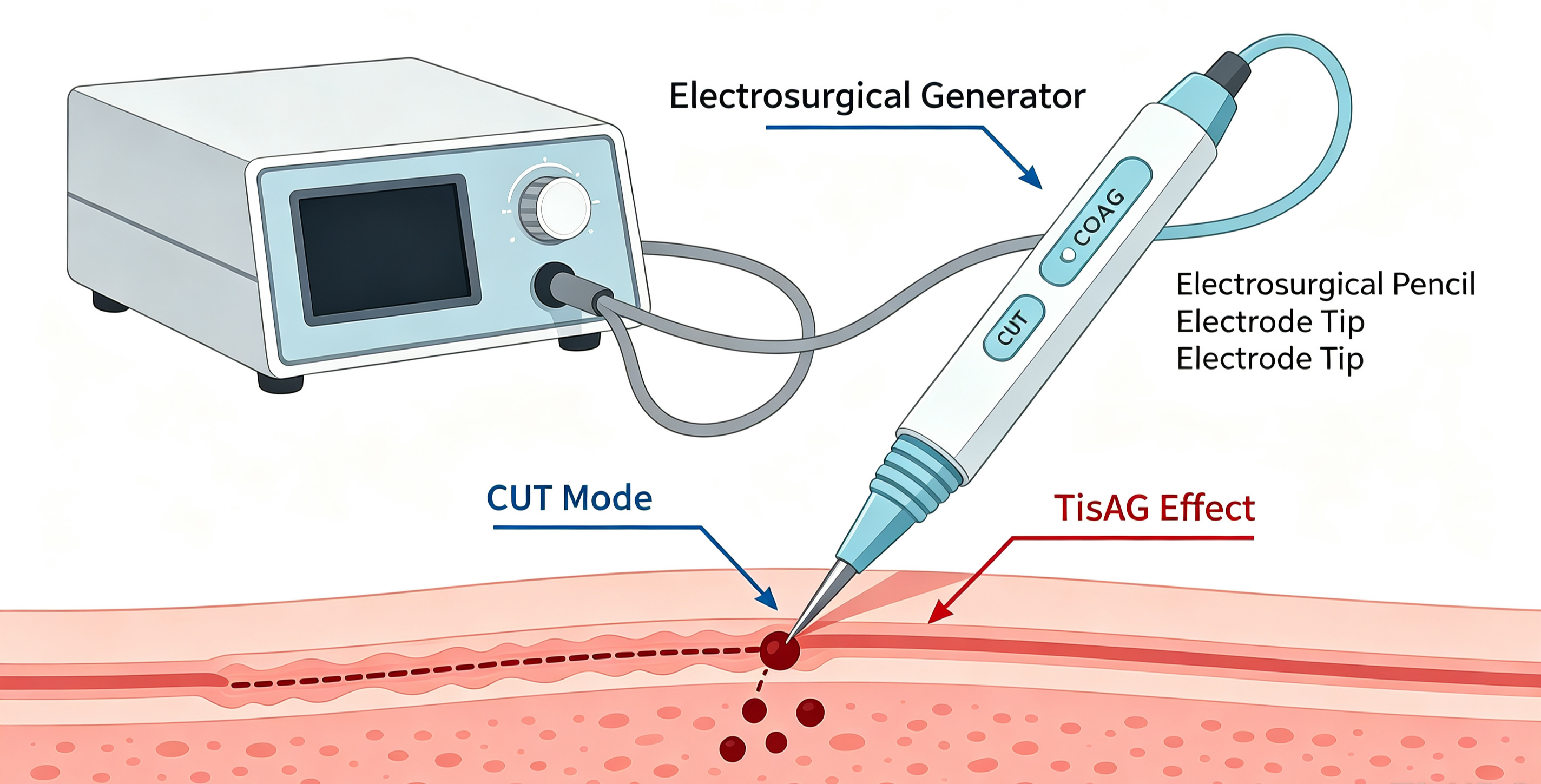
Types of Electrosurgical Pencils
Disposable vs. Reusable
A disposable electrosurgical pencil is supplied sterile and intended for single use. It eliminates the need for reprocessing and provides consistent performance from one procedure to the next. Disposable models are widely used in hospitals and ambulatory surgery centres.
Reusable electrosurgical pencils can be cleaned and sterilised between procedures. They may reduce the cost per use in some high-volume settings, but they also require appropriate reprocessing, inspection, and maintenance.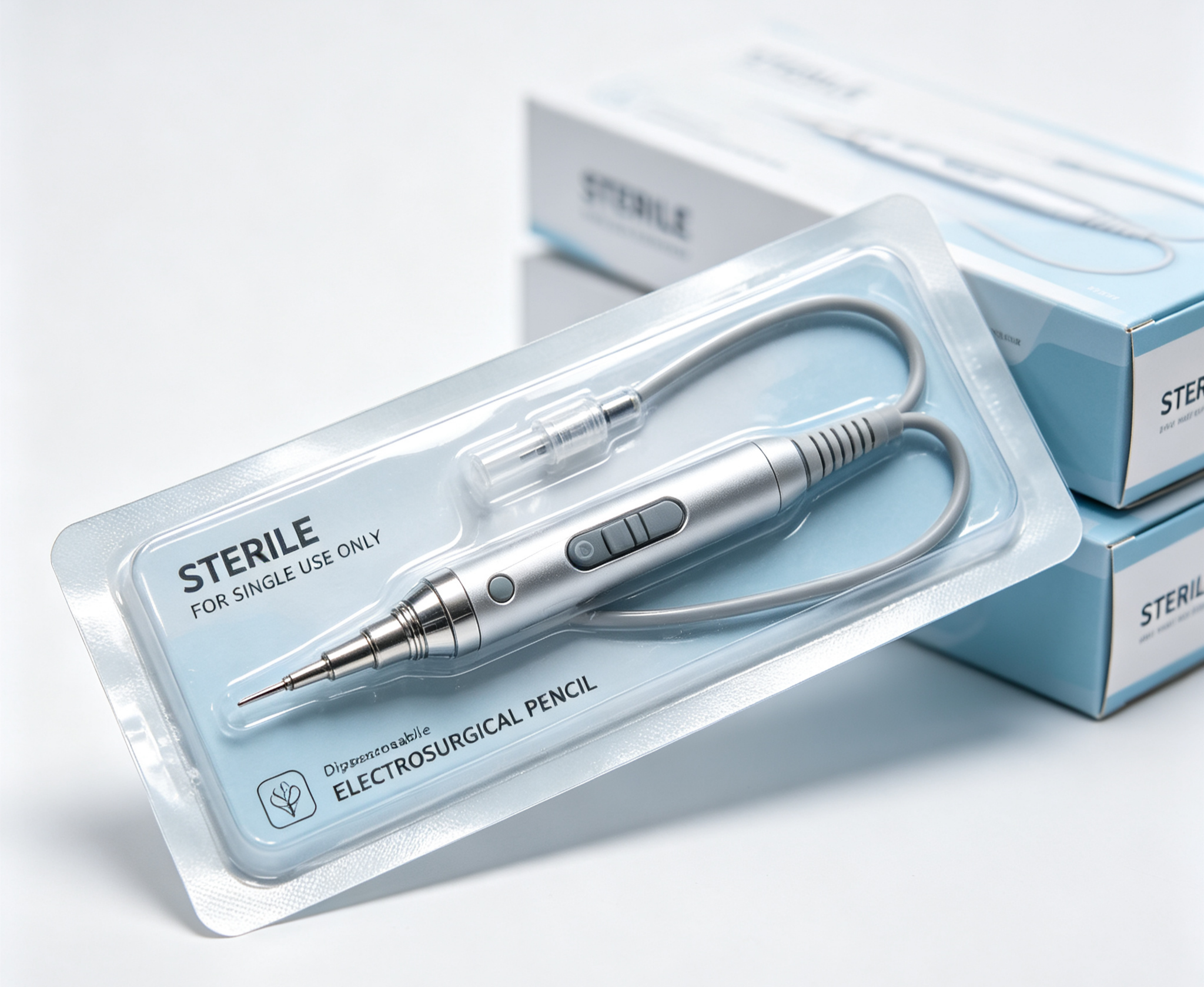
Monopolar vs. Bipolar
Monopolar electrosurgical pencils are used with a patient return electrode and are commonly used for tissue cutting and coagulation.
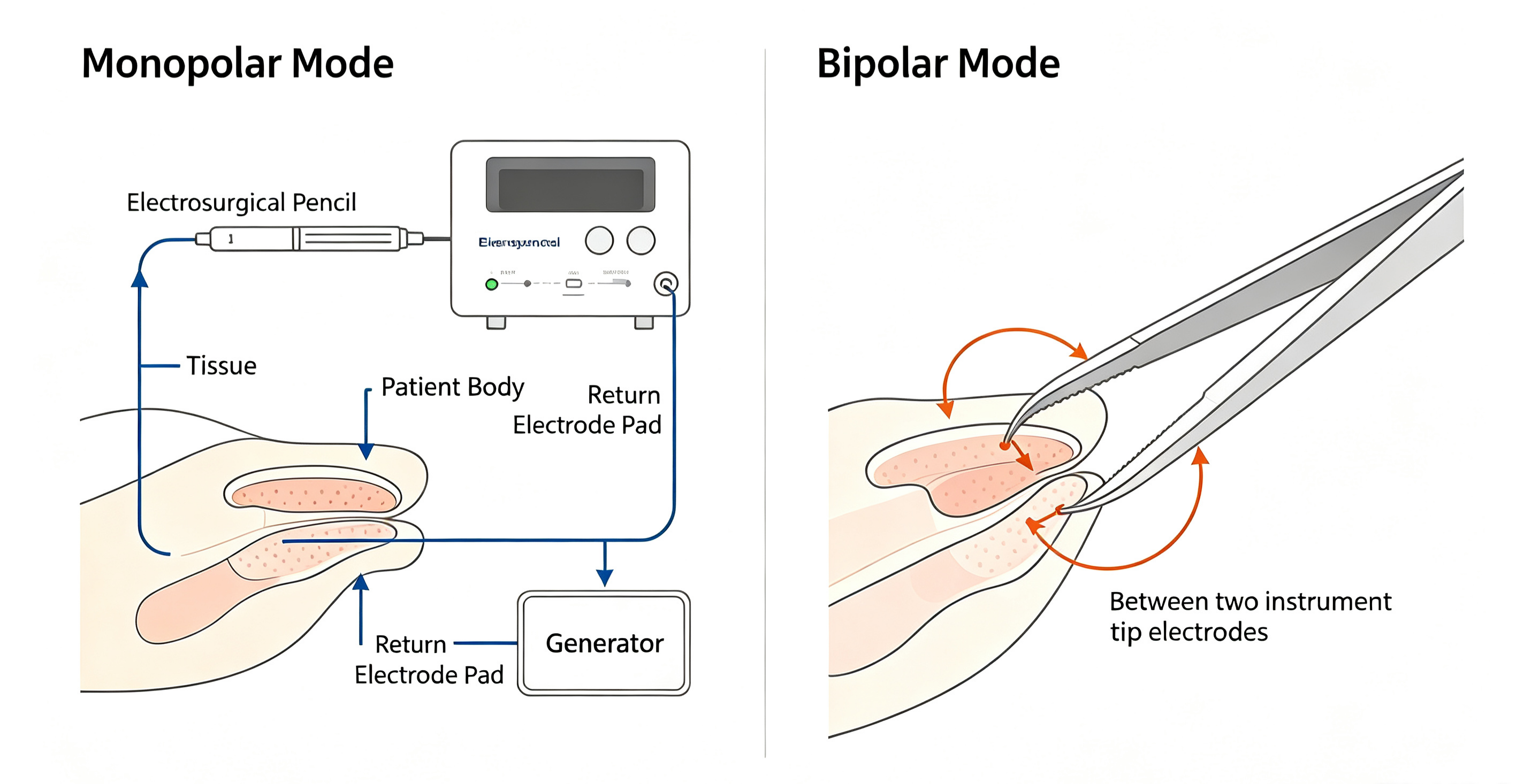
Bipolar instruments allow the electrical current to travel between two electrodes at the working end. They are often selected when more localized energy delivery is required.
Control Options
Most electrosurgical pencils feature buttons on the handle for convenient activation. Some systems can also be operated with a footswitch, depending on the electrosurgical generator and surgical setup.
Clinical Applications

Electrosurgical pencils are used in general surgery, orthopaedics, gynaecology, plastic surgery, urology, thoracic surgery, and other surgical specialties.
Depending on the electrode design and generator settings, they can be used for tissue dissection, cutting, coagulation, and haemostasis. Some models also include smoke evacuation to improve visibility and help reduce surgical smoke in the operating room.
How to Choose the Right Electrosurgical Pencil
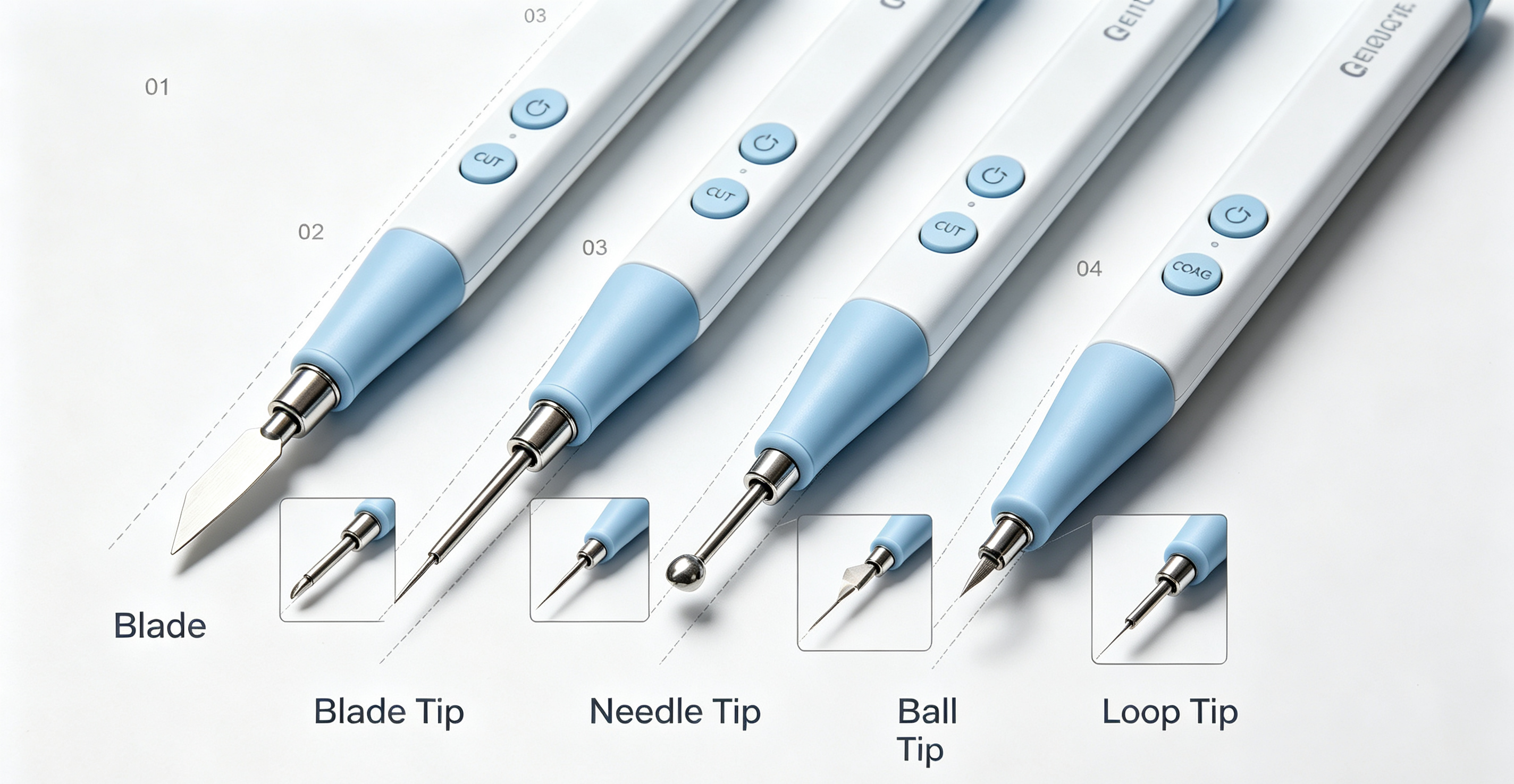
When selecting a disposable electrosurgical pencil or a reusable model, consider the following:
Electrode type: Blade, needle, ball, and loop electrodes are designed for different surgical applications.
Generator compatibility: Check that the pencil and electrode are compatible with the electrosurgical generator being used.
Ergonomics: A comfortable grip, suitable weight, and well-positioned controls can improve handling during surgery.
Cost-effectiveness: Consider not only the purchase price but also reprocessing requirements, maintenance, and expected service life.
Electrosurgical Pencil Safety
Proper handling is essential when using an electrosurgical pencil. Before use, check the packaging, electrode, cable, and insulation for signs of damage. Follow the manufacturer's instructions for connection, activation, and disposal.
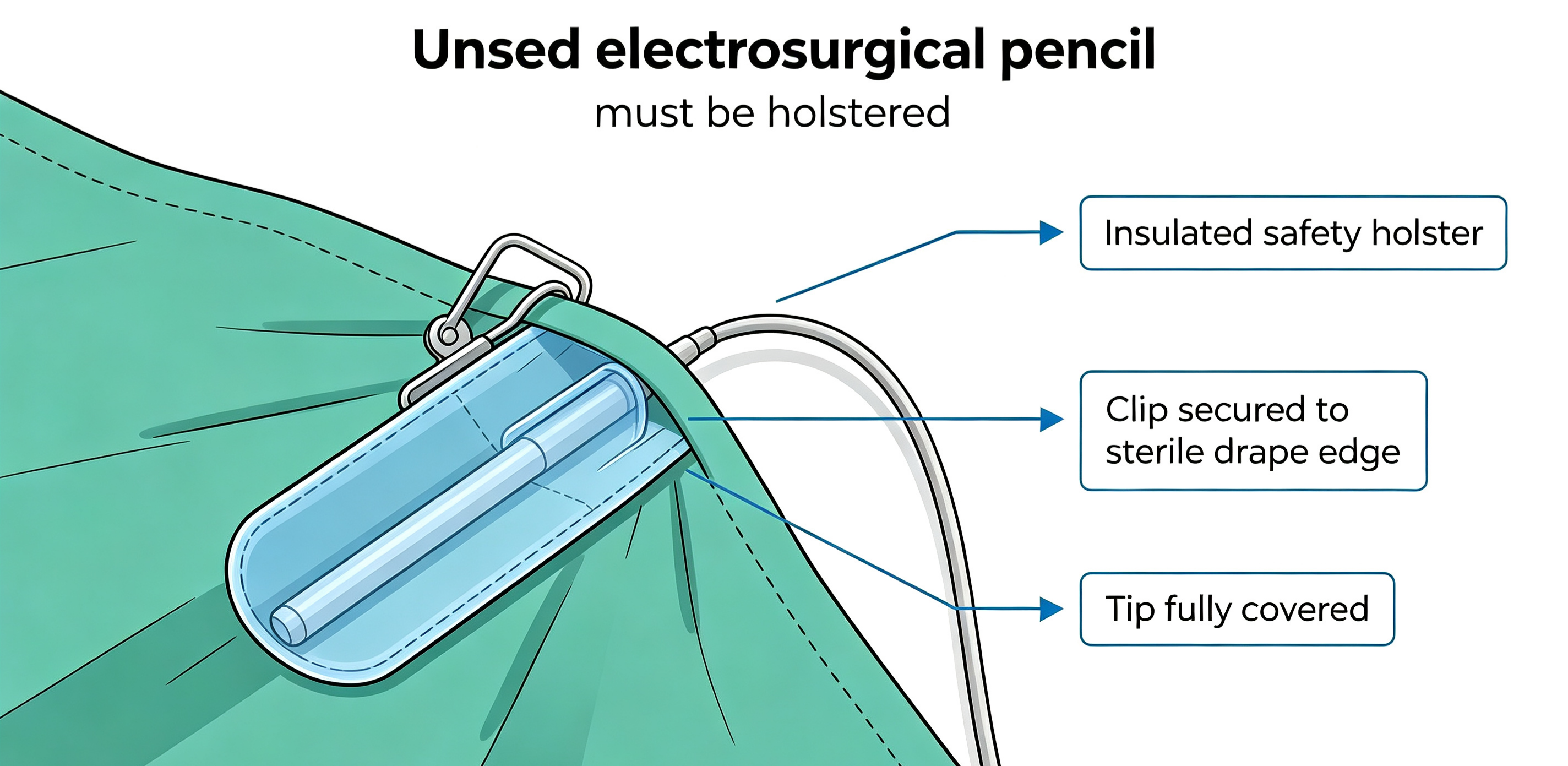
When the pencil is not in use, place it in a suitable insulated holder rather than on the surgical drape. Keep the active electrode away from flammable materials and follow appropriate precautions when using alcohol-based skin preparations or other ignition sources.
The electrode should be securely attached before activation, and the electrosurgical generator should always be operated according to its instructions for use.
Conclusion
The electrosurgical pencil remains a standard instrument for surgical cutting and coagulation. Available in disposable and reusable designs, with different electrode shapes and control options, it can be adapted to a wide range of procedures.
For hospitals and medical device buyers, the key factors are generator compatibility, electrode design, ergonomics, safety, and overall cost of use. While electro pencil and electropencil are common search terms, electrosurgical pencil is the standard term used for this type of surgical device.

