

RF Plasma Surgical Electrode Compatibility: Generator, Connector and Application
When sourcing an RF plasma surgical electrode, compatibility should be confirmed before placing an order.
Two electrodes may look similar but use different connectors, electrical requirements, cables, or electrode designs.
For hospitals and distributors looking for replacement electrodes or an alternative supplier, the best place to start is with three things:
Generator model + Current electrode model + Surgical application
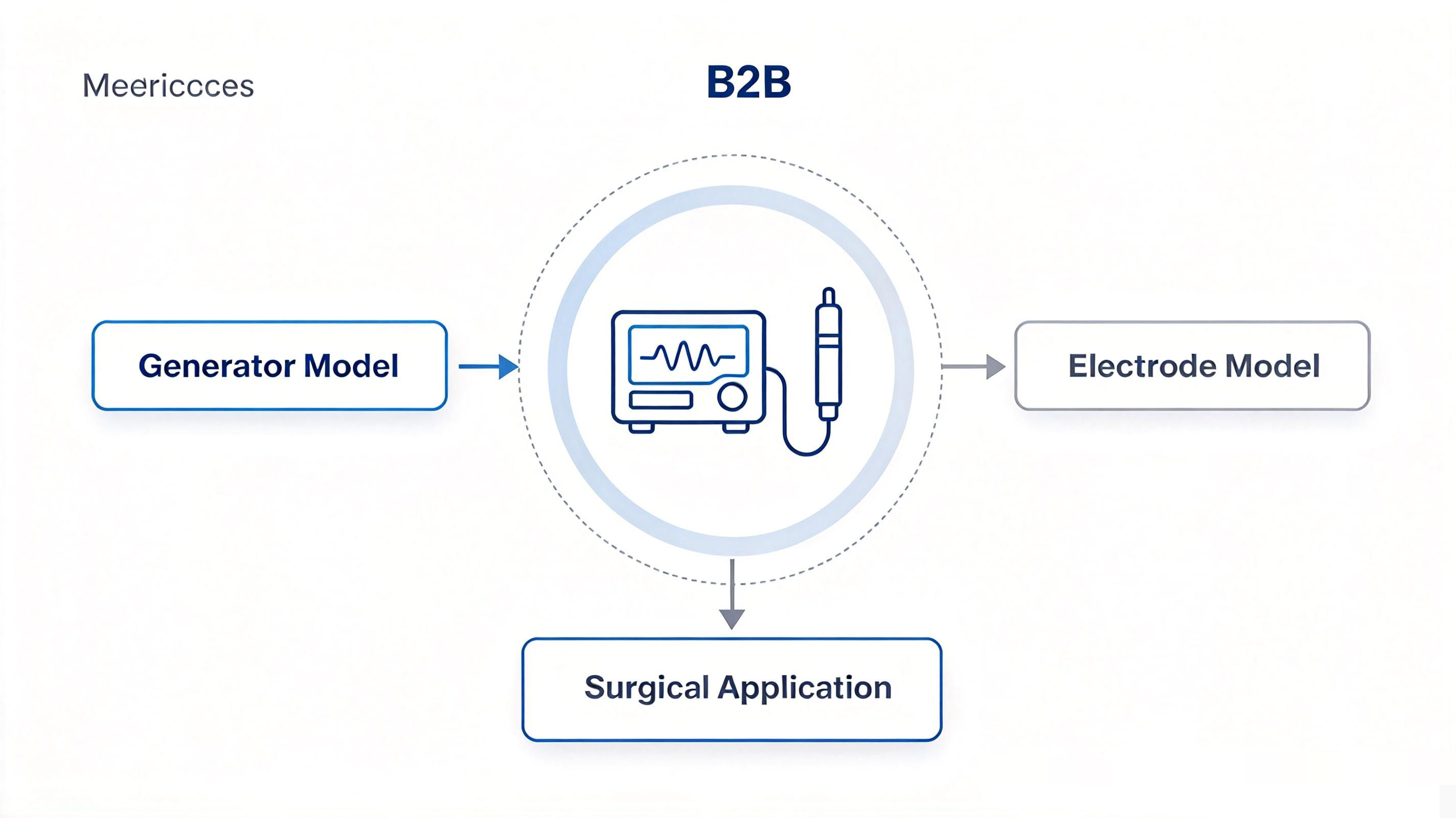
1. Start With the RF Generator
RF plasma electrodes are designed to work with specific surgical systems.
Before requesting a quotation, identify the exact manufacturer and model of the generator.
Don't provide only a general description such as "RF plasma generator" or "Coblation system." The model number gives the supplier a much better starting point for compatibility evaluation.
If possible, provide:
Generator brand and model
Current electrode model
Photo of the generator label
Photo of the current electrode
This is particularly useful for hospitals operating more than one RF surgical system.
2. Check the Connector
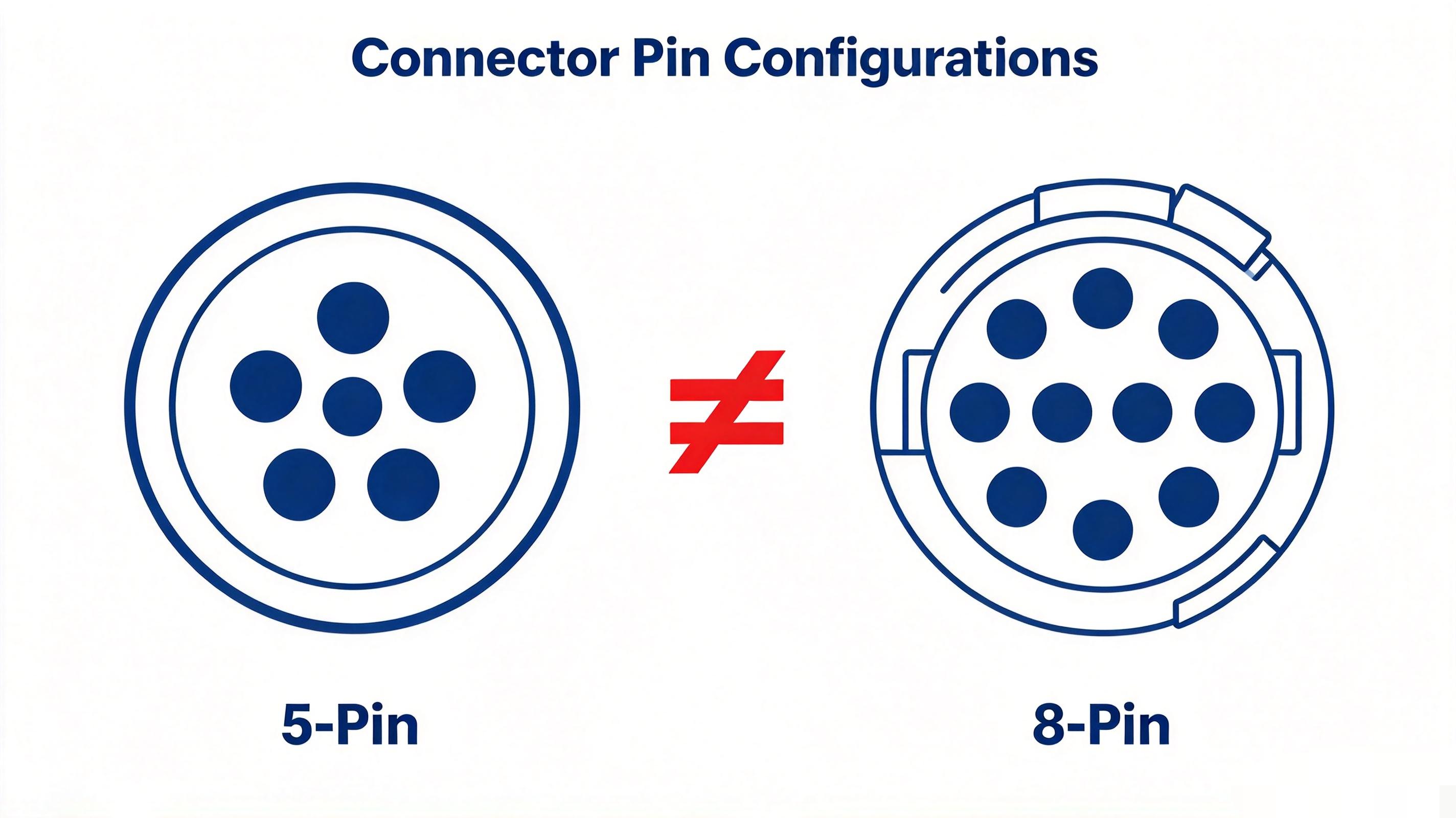
The connector is one of the first things to check when evaluating an alternative electrode.
Different systems may use different:
Connector designs
Pin configurations
Locking mechanisms
Cable configurations
A connector that looks similar does not necessarily confirm compatibility.
If you cannot identify the connector specification, send clear photos of the generator socket, electrode connector, and current product label.
A physical sample may also be useful when evaluating an alternative product.
3. Match the Electrode to the Application
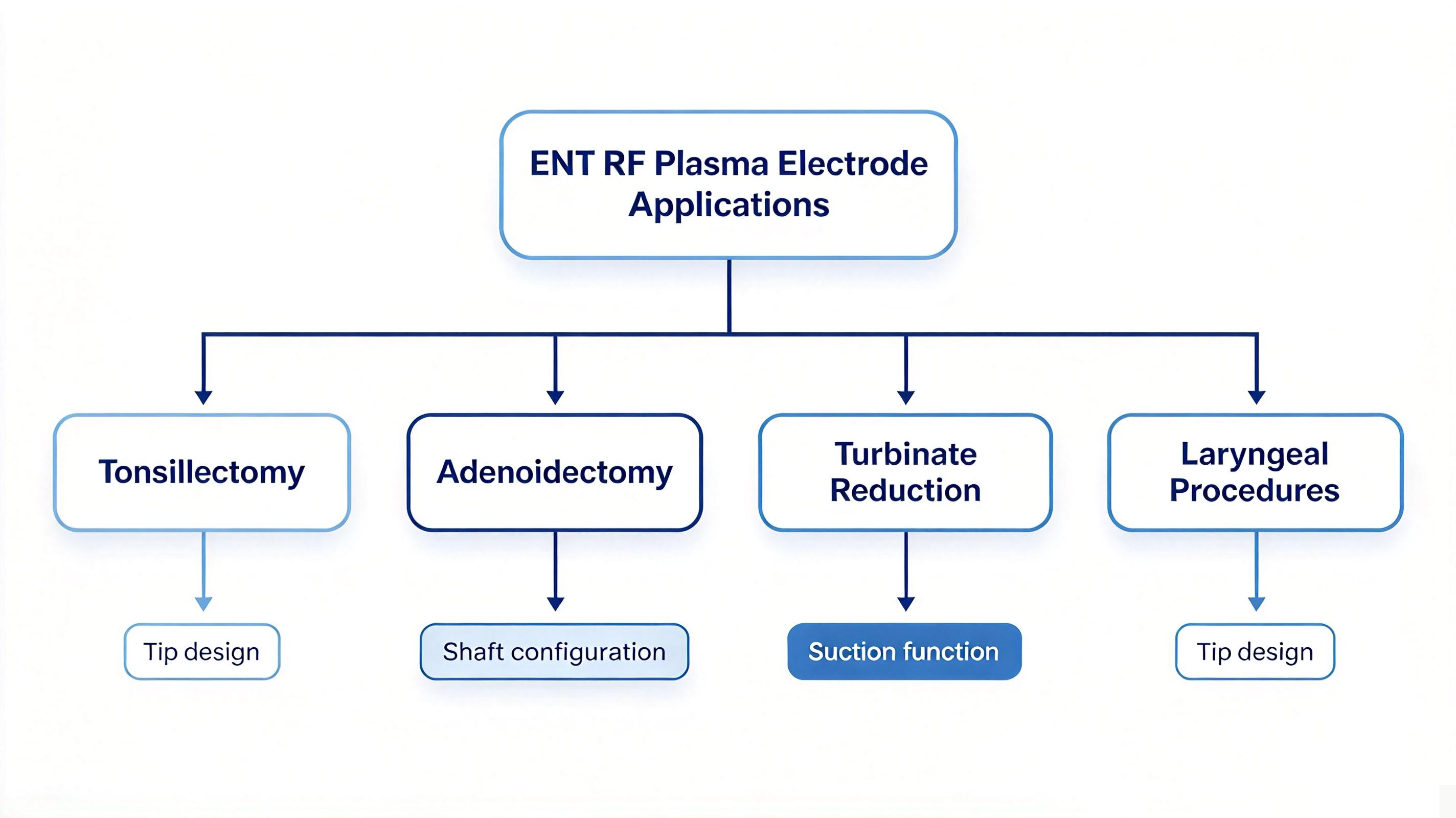
Compatibility is not only about connecting the electrode to the generator.
The electrode also needs to suit the intended procedure.
In ENT surgery, RF plasma electrodes may be designed for applications such as:
Tonsillectomy
Adenoidectomy
Turbinate reduction
Laryngeal procedures
Other soft-tissue procedures
Depending on the application, the electrode may differ in tip design, shaft configuration, suction function, and other specifications.
When requesting a product, always tell the supplier which procedure the electrode will be used for.
4. How to Check Compatibility Before Ordering
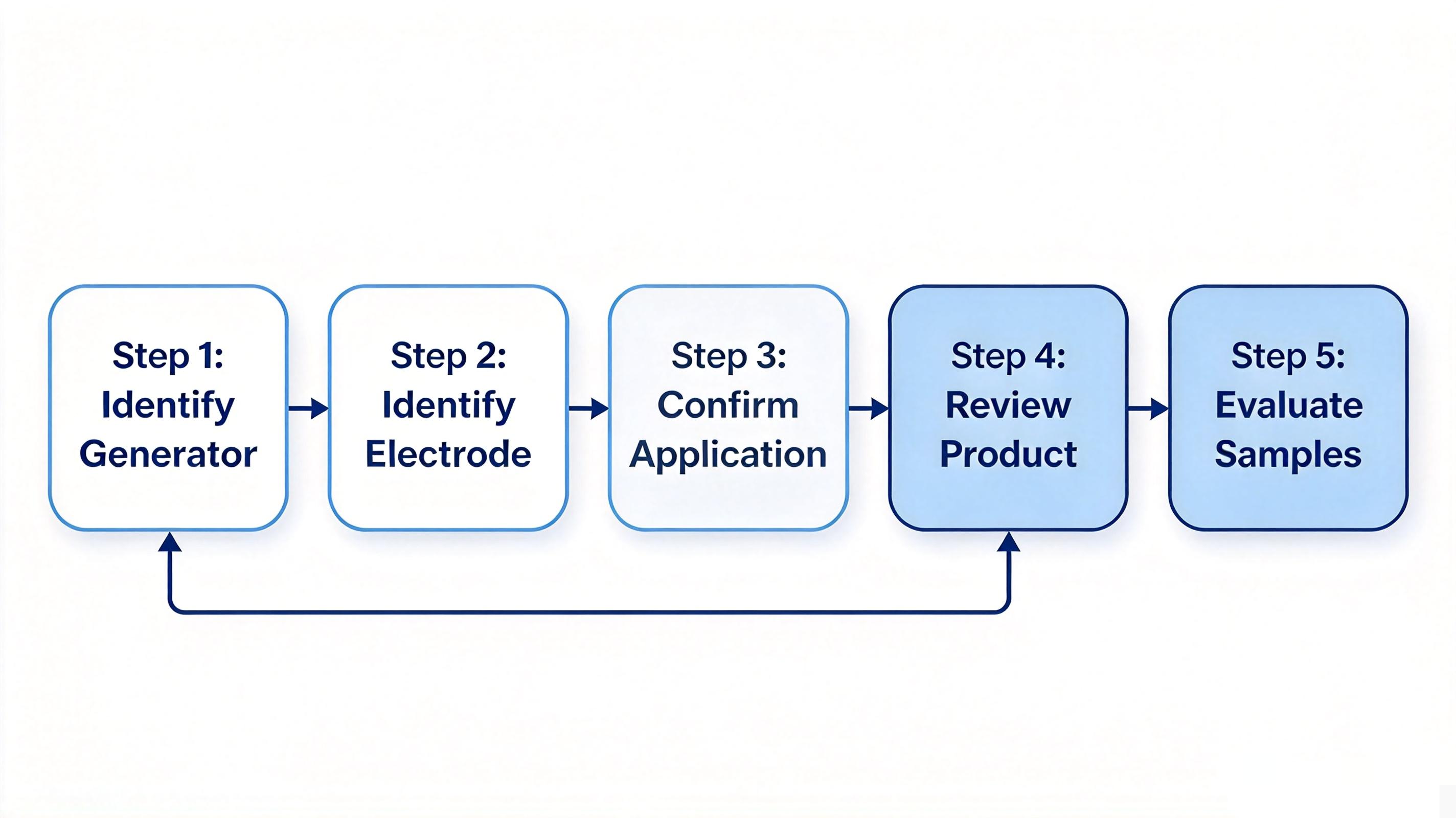
A simple purchasing process can reduce the risk of ordering the wrong product.
Step 1: Identify the generator
Provide the brand and exact model.
Step 2: Identify the current electrode
Send the model number, specifications, or clear photos.
Step 3: Confirm the application
Tell the supplier which ENT procedure the product is intended for.
Step 4: Review the proposed product
Confirm the connector, product specifications, and available documentation.
Step 5: Evaluate samples
For a new supplier or alternative product, sample evaluation should normally come before a commercial order.
This is especially important for distributors planning to introduce the product to hospital customers.
5. Looking for an Alternative or Custom Electrode?
Sometimes buyers are not looking for a completely new product. They already have an electrode and simply want:
An alternative supplier
A second supply source
A private-label version
A different connector or configuration
A product for another RF generator
In this situation, you do not need to start with a long technical specification.
Send the supplier your existing electrode model, photos, drawings, or sample.
For OEM/ODM projects, additional requirements such as connector configuration, shaft design, packaging, labeling, and branding can then be discussed.
5. Check the Available Documentation
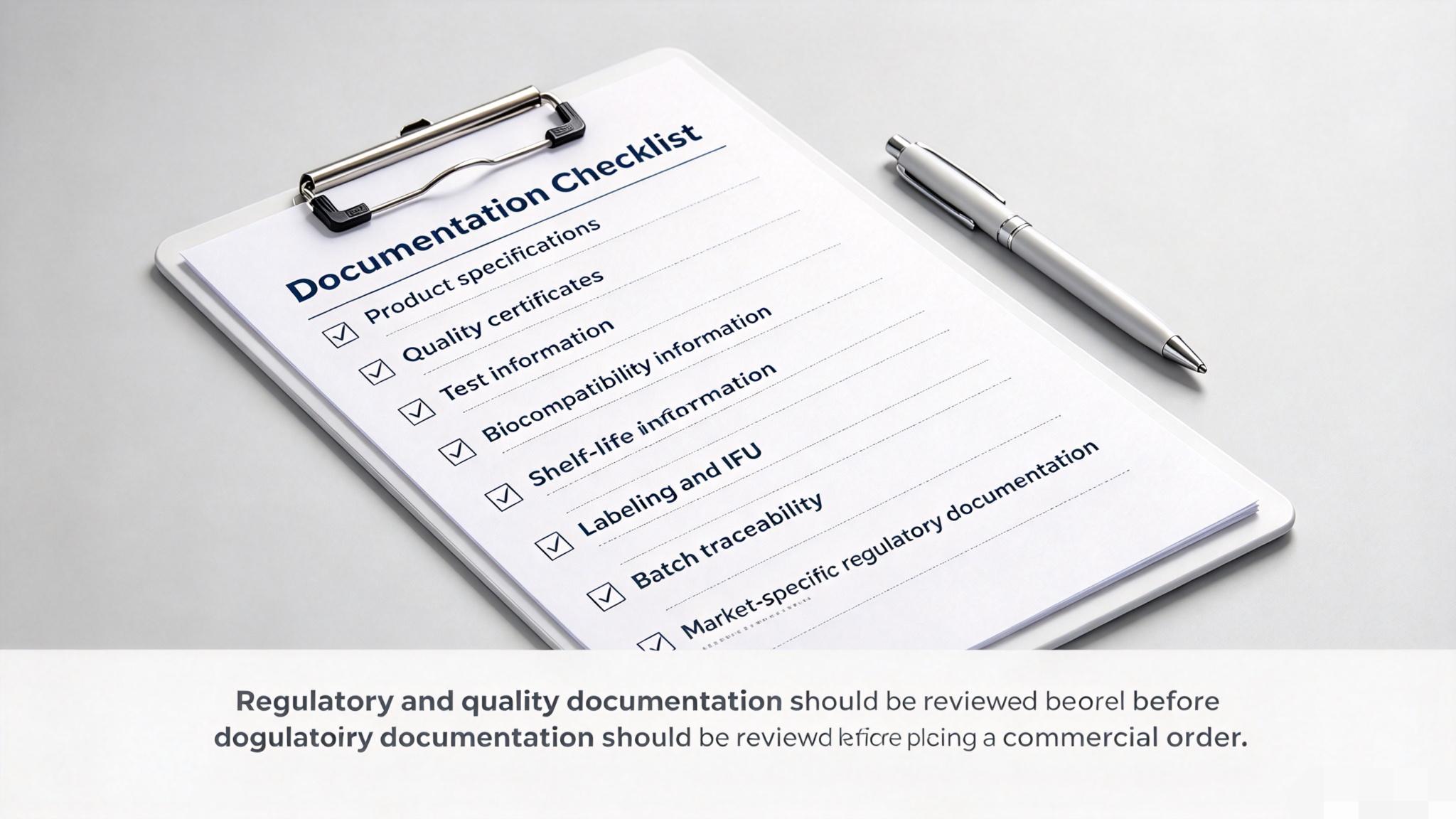
Compatibility is only one part of supplier evaluation.
Depending on the product and target market, buyers may also need:
Product specifications
Quality certificates
Test information
Biocompatibility information
Sterilization documentation
Shelf-life information
Labeling and IFU
Batch traceability
Available market-specific regulatory documentation
Tell the supplier your target country early in the discussion so the available documentation can be reviewed before you place an order.
Frequently Asked Questions
Can I use an alternative RF plasma electrode with my existing generator?
Possibly, but compatibility should be evaluated for the specific generator and electrode. Physical connection alone does not confirm that a product is suitable.
What information do you need to check compatibility?
Start with the generator model, current electrode model, product photos, and intended surgical application.
Can I send my current electrode for evaluation?
Yes. A model number, specification sheet, drawing, photo, or physical sample can help when evaluating an alternative product or OEM project.
Can I order samples before a bulk order?
Sample availability depends on the product. For a new supplier or alternative electrode, sample evaluation is recommended before moving to a commercial order.
Looking for an RF Plasma Surgical Electrode?
Hunan ENT&PAIN is an ISO 13485-certified medical device manufacturer focused on ENT surgical products, including RF plasma surgical electrodes and Coblation wands.
We work with international distributors, importers, hospitals, and medical device companies and support selected OEM/ODM and private-label projects.
If you are looking for a compatible electrode, alternative supplier, second source, or OEM product, send us:
Generator brand and model
Current electrode model or photos
Surgical application
Target country
Estimated quantity
We can review your requirements and discuss available products, samples, documentation, MOQ, and quotation.
Already using an RF plasma electrode? Send us the model number or product photos. We can start from there.