

One Probe, Two Essential Procedures: Choosing the Right Plasma Blade for ENT and Spine Surgery
Introduction
In minimally invasive surgery, low-temperature plasma blades have become an important tool for precise tissue cutting, ablation, and coagulation. Operating at approximately 40–70°C, these devices provide effective tissue removal while minimizing thermal damage to surrounding structures.
Among the many clinical applications, ENT surgery and spine endoscopy represent two of the most established fields for plasma technology. From pediatric adenoidectomy and tonsillectomy to lumbar disc surgery in adults, the same plasma probe technology can deliver excellent results when paired with the correct electrode design and specifications.
So how do you choose between ENT plasma blades and spine endoscopy plasma blades? This guide explains the key differences and selection criteria for both applications.
What Are Plasma Blades?
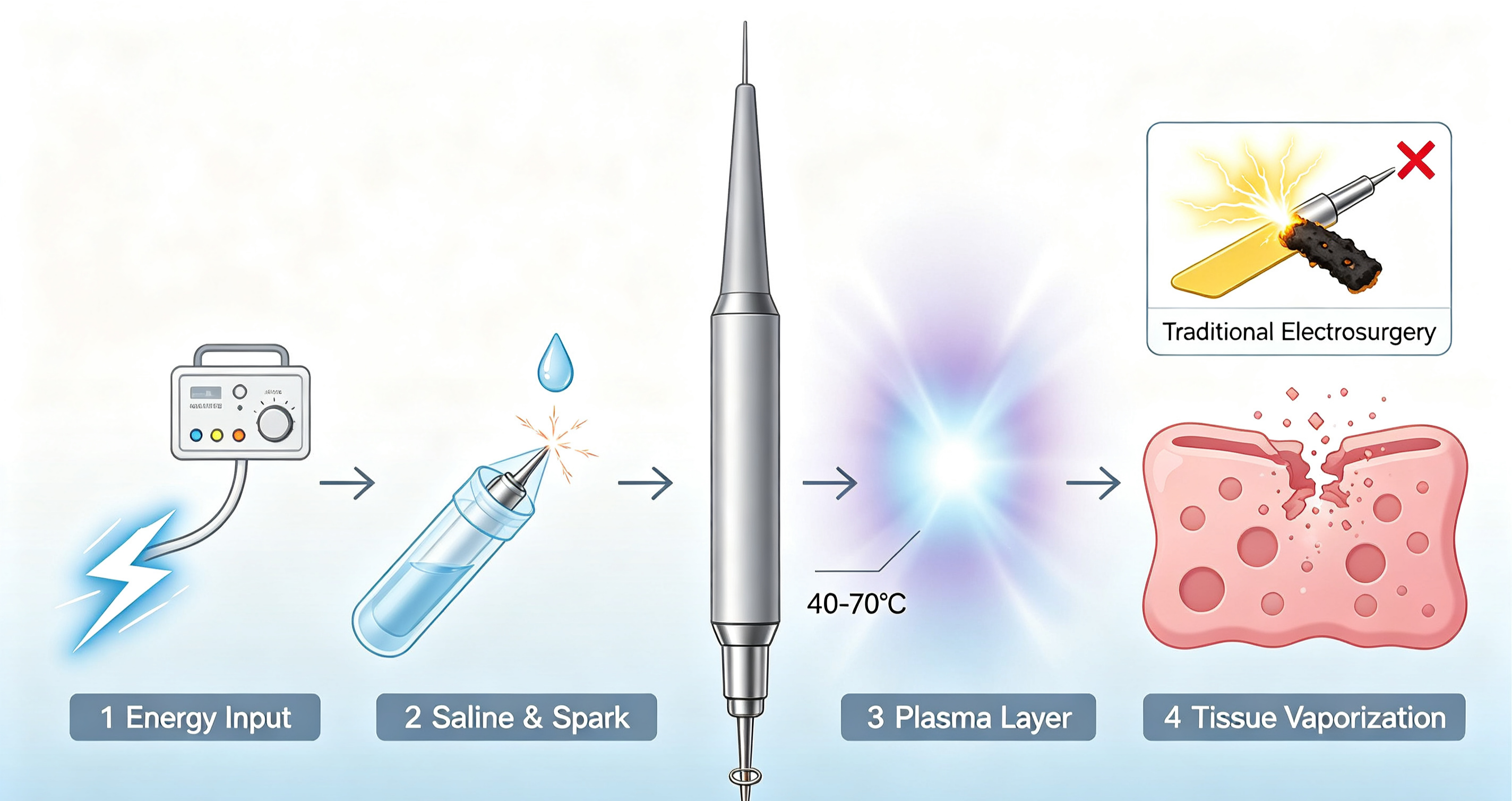
Plasma blades are single-use disposable electrodes designed for use with radiofrequency (RF) generators. They create a plasma field by exciting sodium ions in saline, allowing surgeons to cut, ablate, coagulate, and remove tissue at low temperatures.
How They Work
RF energy passes through the electrode and converts saline into a controlled plasma layer. This plasma breaks molecular bonds within tissue, enabling precise cutting and ablation with limited thermal spread.
Compared with traditional electrosurgical tools, plasma technology produces less charring and reduces collateral tissue damage.
Basic Structure
A typical plasma blade consists of:
· Electrode: commonly made from platinum-iridium alloy
· Insulation: usually PEEK material
· Shaft: stainless steel structure
· Handpiece: ergonomic surgical handle
Electrode designs vary according to clinical needs, including loop, needle, blade, and ball configurations.
This article focuses on two major applications: ENT plasma blades and spine endoscopy plasma blades.
ENT Plasma Blades: Adenoids, Tonsils, and Airway Surgery
ENT was one of the earliest specialties to adopt plasma technology. Today, ENT plasma blades are widely used in:
· Adenoidectomy
· Tonsillectomy
· Turbinate reduction
· Snoring surgery (UPPP)
· Selected laryngeal procedures
The main advantages include reduced bleeding, less postoperative pain, and faster recovery.
Common ENT Procedures and Blade Selection
Adenoid and Tonsil Removal
For tonsillectomy, plasma blades remove tissue layer by layer while providing simultaneous coagulation. Compared with traditional techniques, plasma technology can reduce intraoperative bleeding and improve surgical control.
Adenoid blades are typically thinner and designed for nasal access, while tonsil blades are wider for oral procedures.
Turbinate Reduction and Snoring Surgery
For inferior turbinate reduction and airway procedures, fine plasma blades allow controlled submucosal ablation with minimal damage to surrounding mucosa.
Laryngeal Procedures
Slim and angled blades are suitable for procedures involving delicate structures, such as vocal cord polyps and papillomas.
Key Factors When Selecting ENT Plasma Blades
Diameter and length:
Pediatric procedures usually require smaller and shorter blades, while adult surgery may require larger sizes.
Suction function:
Integrated suction helps maintain a clear surgical field.
Tip angle:
Angled tips improve access in areas such as the oropharynx.
Single-use design:
Disposable plasma blades reduce infection risks and simplify surgical preparation.
Spine Endoscopy Plasma Blades: Precision Disc Ablation
With the rapid development of percutaneous endoscopic lumbar discectomy (PELD) and unilateral biportal endoscopy (UBE), spine plasma blades have become increasingly important in minimally invasive spine surgery.
They are commonly used for:
· Lumbar disc herniation
· Spinal stenosis
· Annulus fibrosus treatment
· Endoscopic decompression procedures
Common Spine Procedures and Blade Selection
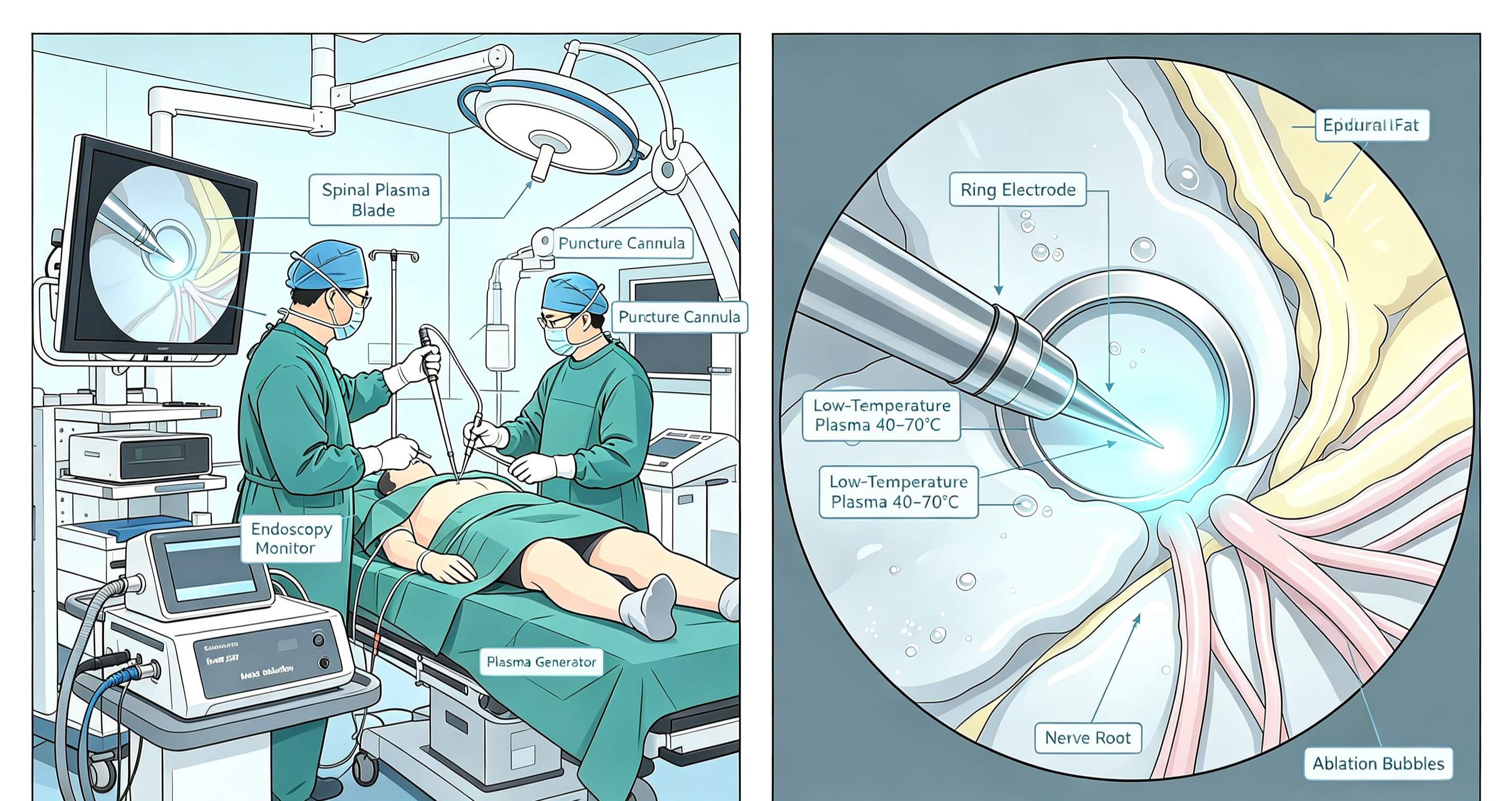
During spine endoscopy, spine endoscopy plasma blades are used to ablate, vaporize, cut, and coagulate tissue through a narrow working channel.
Electrode Selection
· Loop electrodes: suitable for removing larger amounts of disc tissue
· Needle electrodes: better for precise coagulation and annuloplasty
Blade length should match the surgical approach. Lateral approaches and posterior approaches may require different specifications.
Key Factors When Selecting Spine Plasma Blades
Diameter:
The blade must fit the endoscope working channel, usually requiring a slim profile of approximately 3.5 mm or less.
Length:
Selection depends on the surgical approach and target anatomy.
Electrode shape:
Loops provide efficient tissue removal, while needles offer greater precision.
Suction capability:
Essential for maintaining visibility during endoscopic procedures.
Compatibility:
Many plasma blades are designed for specific generators. Always confirm compatibility before purchase.
ENT Plasma Blades vs Spine Endoscopy Plasma Blades
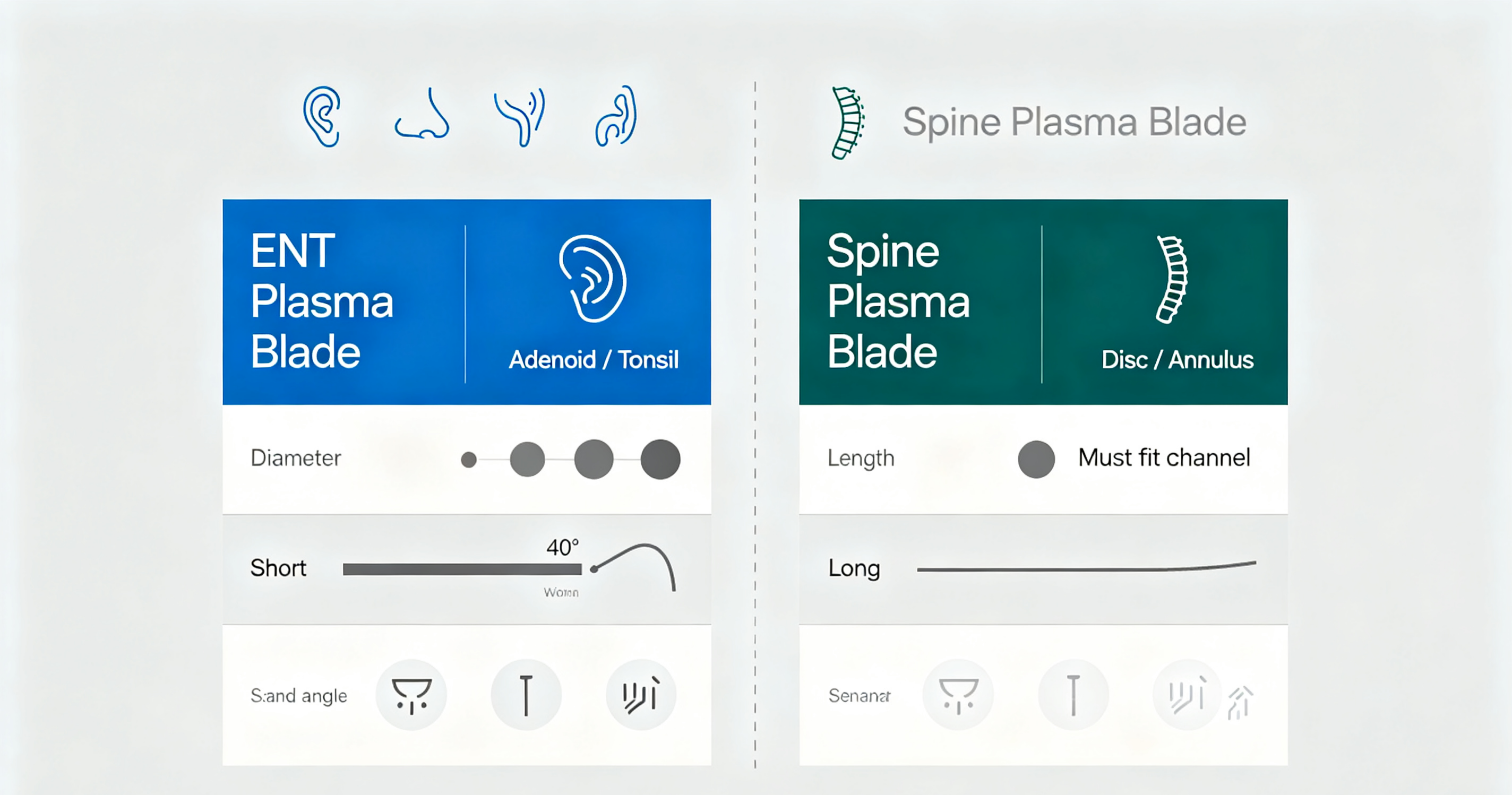
Feature | ENT Plasma Blade | Spine Endoscopy Plasma Blade |
Typical use | Adenoidectomy, tonsillectomy, turbinate reduction | Disc ablation, annuloplasty, spinal decompression |
Diameter | Different sizes for pediatric and adult surgery | Slim design for endoscope channels |
Length | Short for oral and nasal access | Longer for percutaneous access |
Tip design | Usually angled | Straight or slightly curved |
Main function | Cutting, ablation, coagulation | Ablation, vaporization, coagulation |
Disposable | Yes | Yes |
How to Choose the Right Plasma Blade
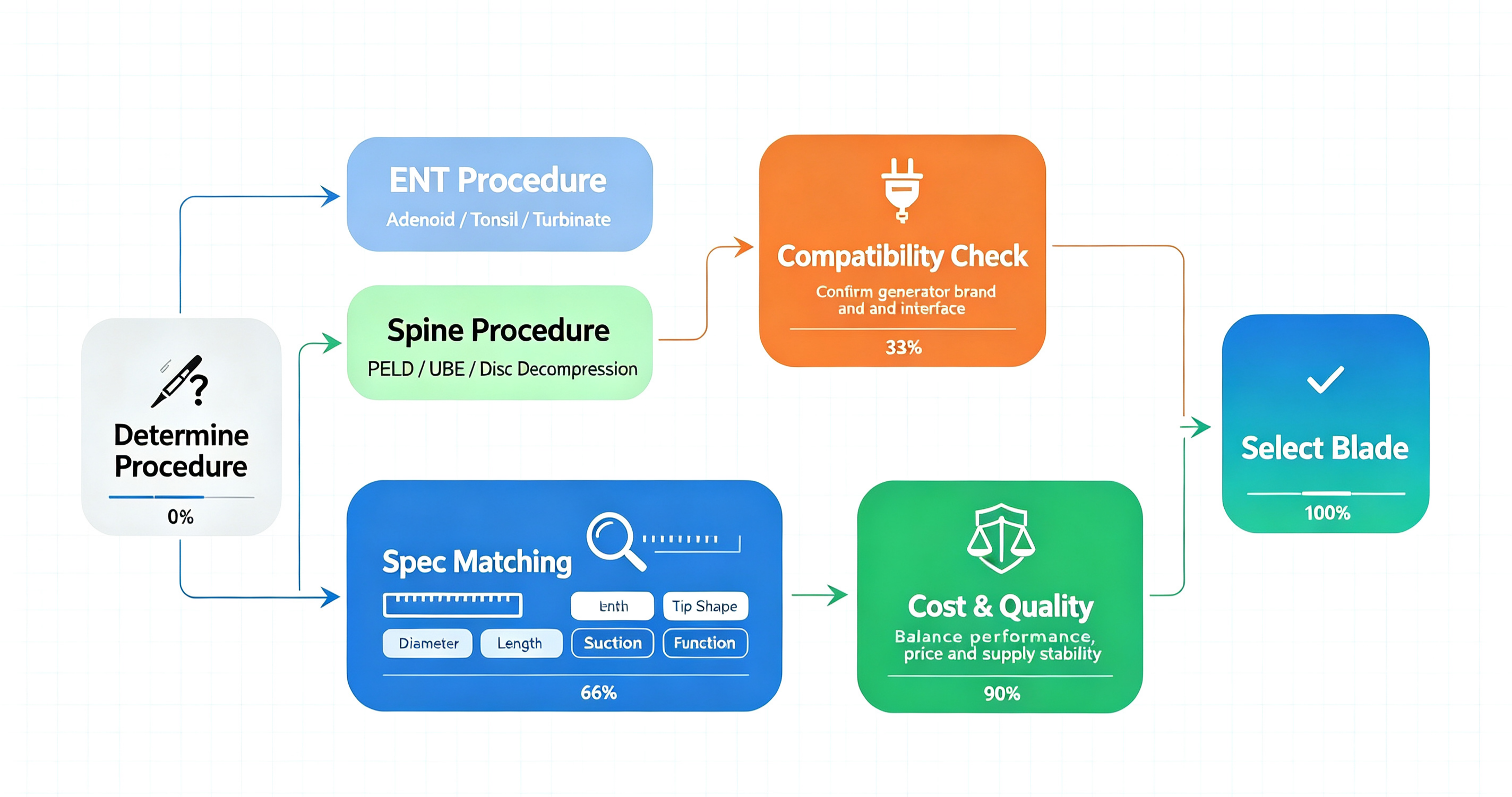
Choosing the correct plasma blade depends on four main factors:
1. Identify the Procedure
First determine the clinical application:
· ENT procedures such as adenoidectomy, tonsillectomy, and turbinate reduction
· Spine procedures such as PELD and disc decompression
The surgical field determines the required blade design.
2. Verify Compatibility
Plasma blades usually work with specific RF generators. Before purchasing, confirm:
· Generator compatibility
· Connector type
· Operating parameters
· Long-term consumable costs
3. Match Specifications
Important specifications include:
· Diameter
· Length
· Tip angle
· Electrode shape
· Suction design
ENT selection depends mainly on patient age and surgical site, while spine selection depends on endoscope channel size and surgical approach.
4. Balance Quality and Cost
Reliable performance and regulatory compliance are essential when selecting disposable medical devices.
Hospitals and distributors should consider:
· Product consistency
· Certification requirements
· Supply stability
· Total procurement cost
Final Thoughts
Although plasma blades are small surgical consumables, they play an important role in improving precision, efficiency, and patient outcomes.
Whether used in pediatric ENT surgery or adult spine endoscopy, selecting the correct blade requires an understanding of:
· Different types of plasma blades
· Clinical application differences
· Equipment compatibility
· Surgical requirements
· Procurement considerations
As minimally invasive surgery continues to expand, disposable plasma blades are becoming increasingly important in hospitals worldwide. For surgeons, distributors, and healthcare procurement teams, choosing the right plasma technology can improve both surgical performance and cost efficiency.