

OEM Coblation Wands: A Guide for Medical Device Companies and Distributors
Introduction
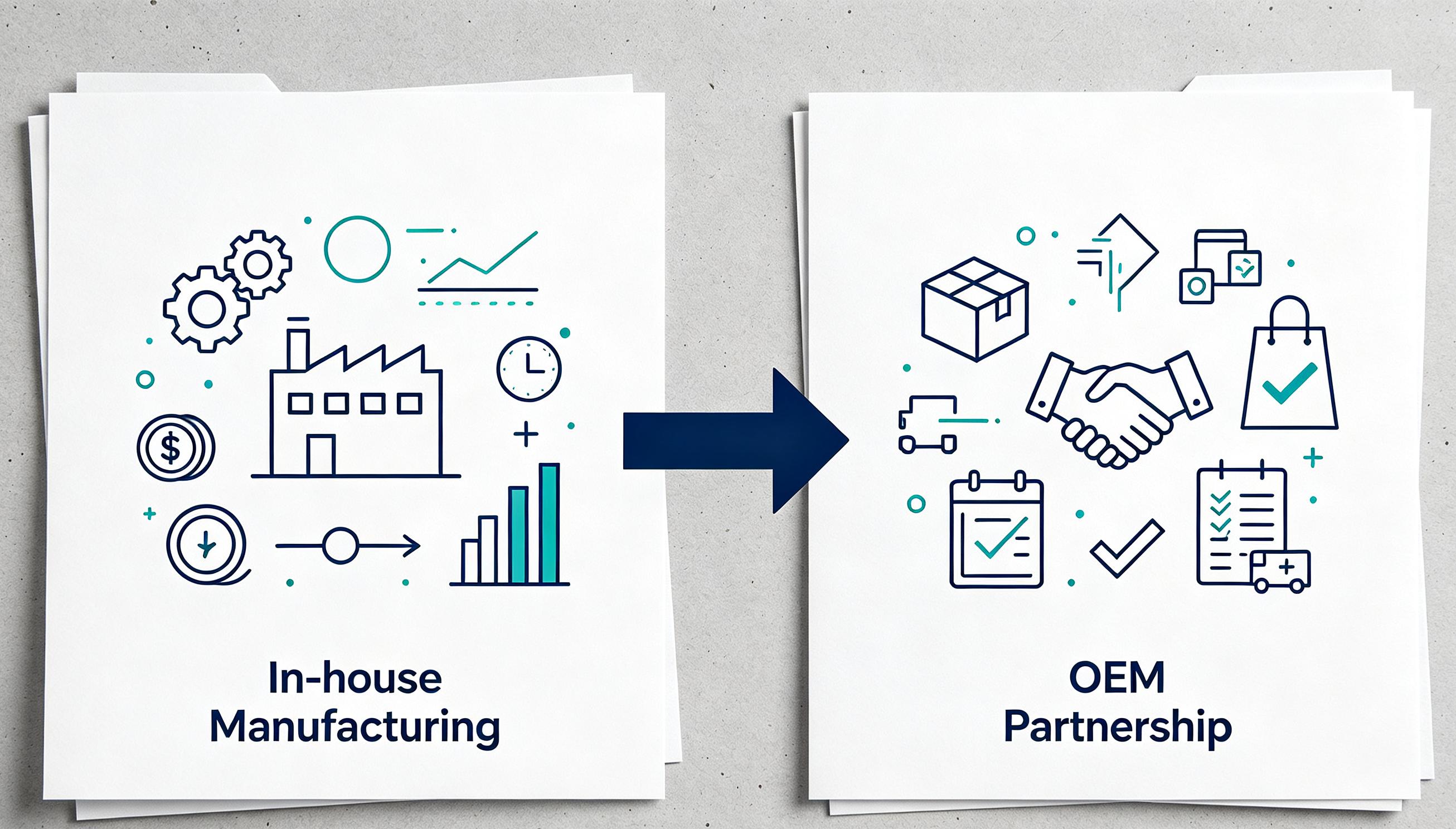
For medical device companies and distributors, OEM Coblation wands can be a practical way to expand an ENT product line without developing every product from the beginning.
But OEM sourcing involves more than adding a logo to an existing product. Compatibility, specifications, packaging, documentation, MOQ, and supply stability should all be discussed before placing an order.
This guide covers the main points to check when looking for an OEM Coblation wand manufacturer.
Why Choose OEM Coblation Wands?
Companies consider OEM or private-label Coblation products for different reasons.
Some already distribute ENT equipment and want to add disposable electrodes. Others want to develop their own brand, find an alternative supplier, or add a second source.
Depending on the product, OEM options may include:
Private labeling
Custom packaging
Model and part numbers
Electrode configuration
Shaft dimensions
Cable and connector options
Product-specific customization
If you already purchase a similar electrode, send the model number, specifications, drawings, or product photos. This is often the easiest way to start an OEM discussion.
Start With Product Compatibility
Before discussing branding or packaging, confirm the product itself.
Coblation wands are not universal. The electrode should be evaluated according to the RF system and intended application.
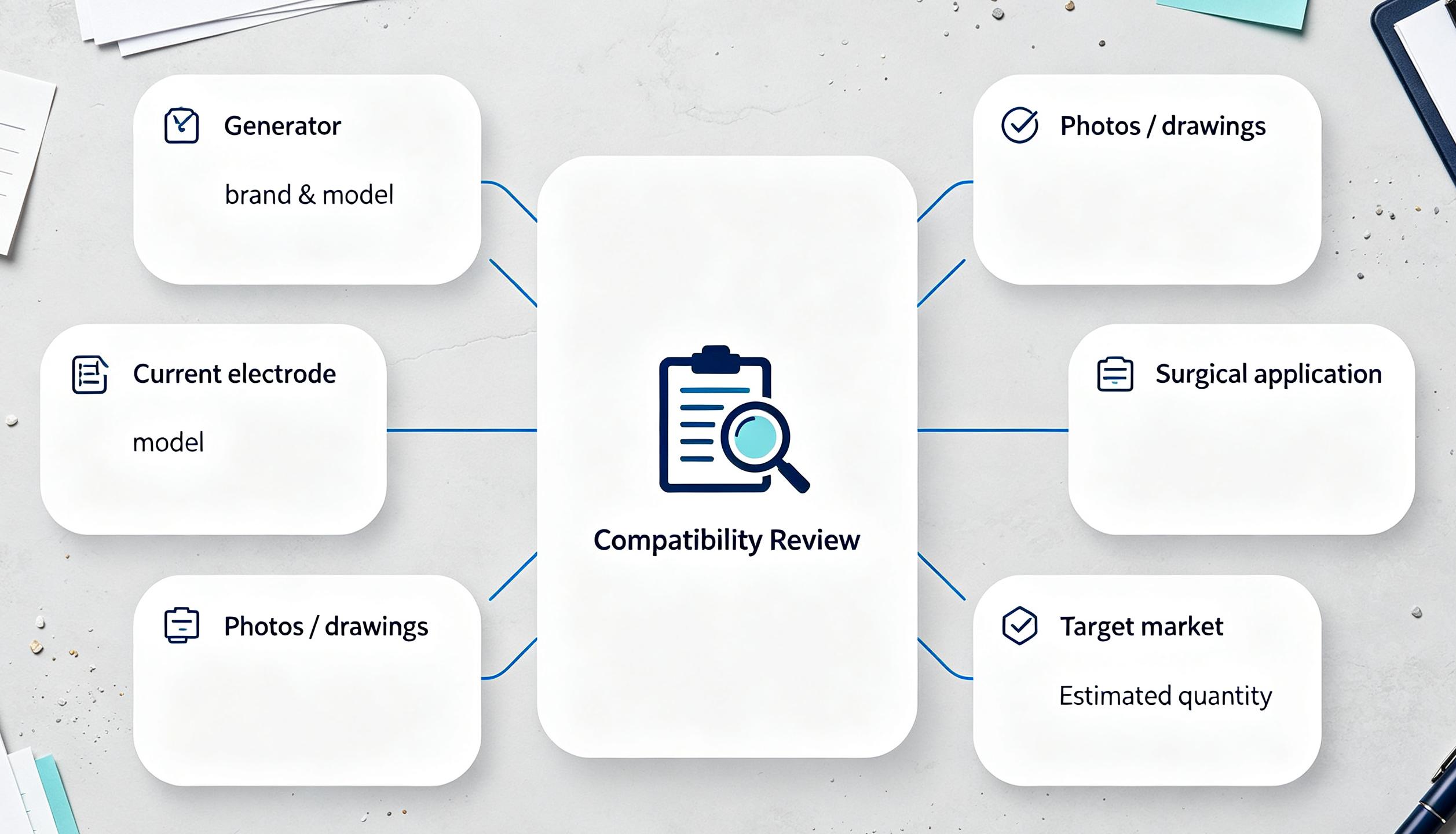
For an OEM project, provide:
Information | Why It Matters |
Generator brand and model | Helps identify system requirements |
Current electrode model | Provides a product reference |
Product photos or drawings | Helps review the design |
Surgical application | Helps determine electrode configuration |
Target market | Helps review documentation requirements |
Estimated quantity | Helps evaluate the OEM project |
Different electrode designs may be used for tonsillectomy, adenoidectomy, turbinate reduction, and other ENT procedures.
If you are looking for an alternative to a product you already sell, providing the current model or sample can make the evaluation much faster.
What to Check in an OEM Manufacturer
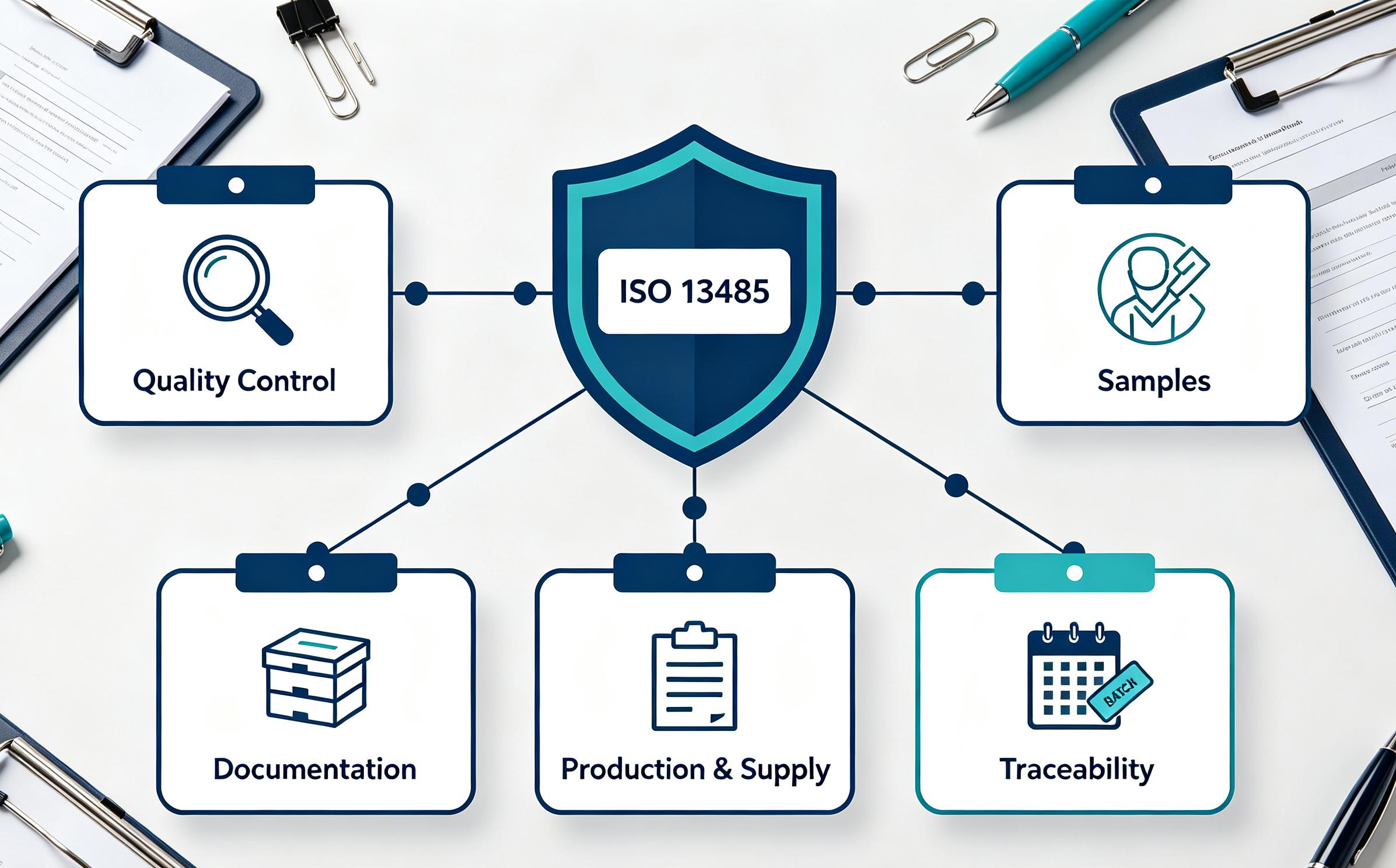
ISO 13485 and Quality Control
Check whether the manufacturer operates under an appropriate medical device quality management system.
For repeat orders, consistency matters. Ask how materials, production, final inspection, and batch traceability are controlled.
Samples
Samples should normally be evaluated before moving to a commercial order.
This allows your team to review the product, compatibility, packaging, and other requirements before confirming larger quantities.
Documentation
Available documentation depends on the product and target market.
Depending on your requirements, this may include:
Product specifications
Quality certificates
Test information
Biocompatibility information
Sterilization documentation
Shelf-life information
Labeling and IFU
Batch records
Available market-specific regulatory documentation
Tell the manufacturer your target country early in the discussion.
Production and Supply
Before starting an OEM project, discuss:
MOQ
Sample availability
Production lead time
Expected order volume
Packaging requirements
Repeat-order planning
These points are especially important for distributors supplying hospitals or participating in tenders.
OEM and Private-Label Options
Not every OEM project requires a completely new product.
For many distributors, the project can start with an existing product and customized branding or packaging.
More complex projects may involve changes to the electrode configuration, shaft, cable, connector, or other specifications.
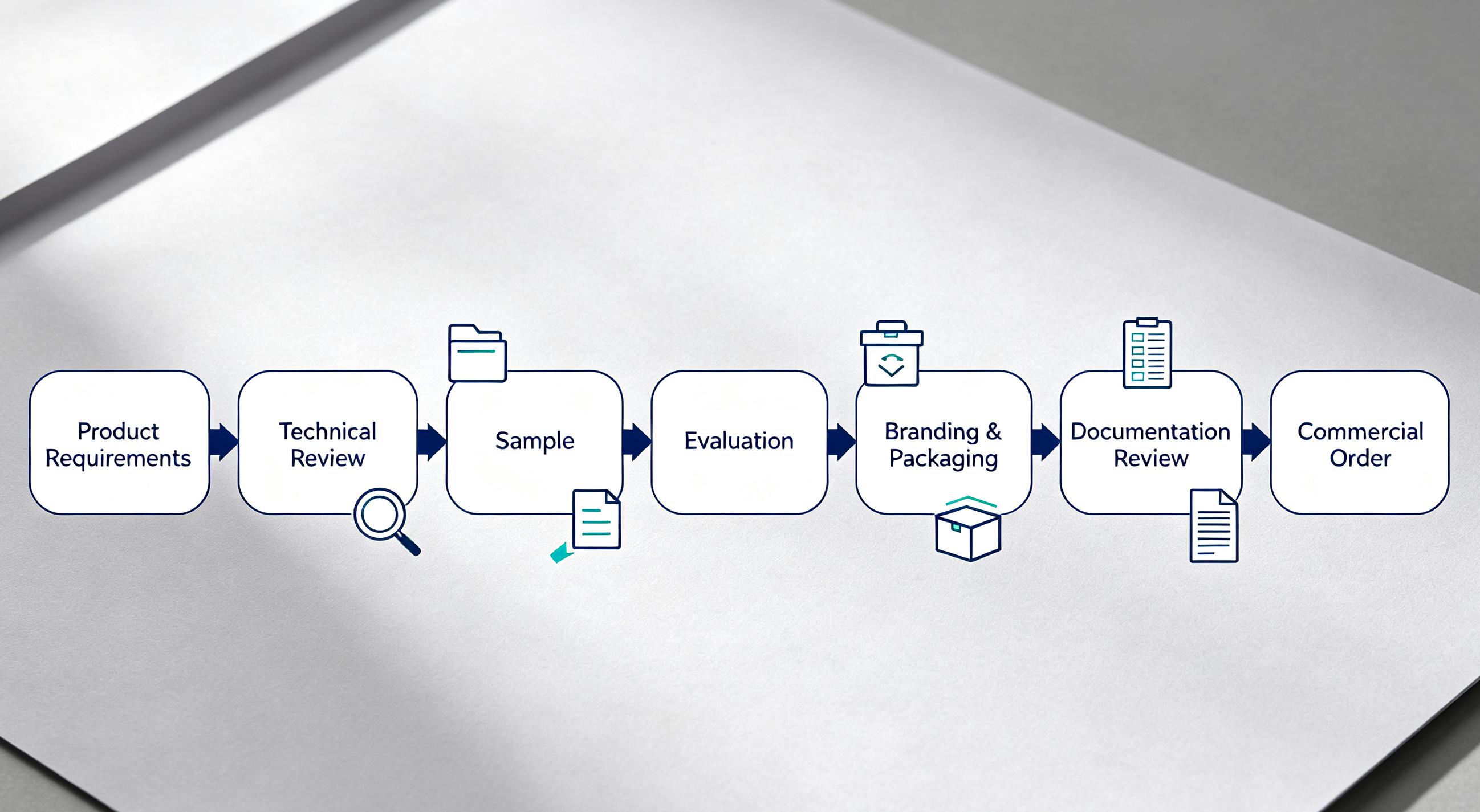
A typical process is:
Product Requirements → Technical Review → Sample → Evaluation → Branding & Packaging → Documentation Review → Commercial Order
Starting with an existing model, photo, drawing, or sample usually makes the process easier.
Frequently Asked Questions
What is the MOQ for OEM Coblation wands?
MOQ depends on the product and level of customization. Send us your estimated quantity and requirements for evaluation.
Can you provide samples?
Sample availability depends on the product. Samples can be discussed before a commercial order.
Can you manufacture based on our current electrode?
Depending on the product, we can review your existing model, specifications, drawings, photos, or sample and discuss available options.
Do you support private labeling?
Yes. Private-label and OEM/ODM options are available for selected products, including branding, packaging, and product-specific customization.
What documents can you provide?
Available documentation depends on the product and target market. Tell us where you plan to sell or register the product, and we can review the available documents.
Looking for an OEM Coblation Wand Manufacturer?
Hunan ENT&PAIN is an ISO 13485-certified medical device manufacturer focused on ENT surgical devices, including Coblation wands and RF plasma surgical electrodes.
We work with international distributors, importers, and medical device companies on selected OEM/ODM and private-label projects.
If you are developing your own Coblation product line, looking for an alternative supplier, or adding a second source, send us:
Generator model
Current electrode model or product photos
Customization requirements
Target country
Estimated quantity
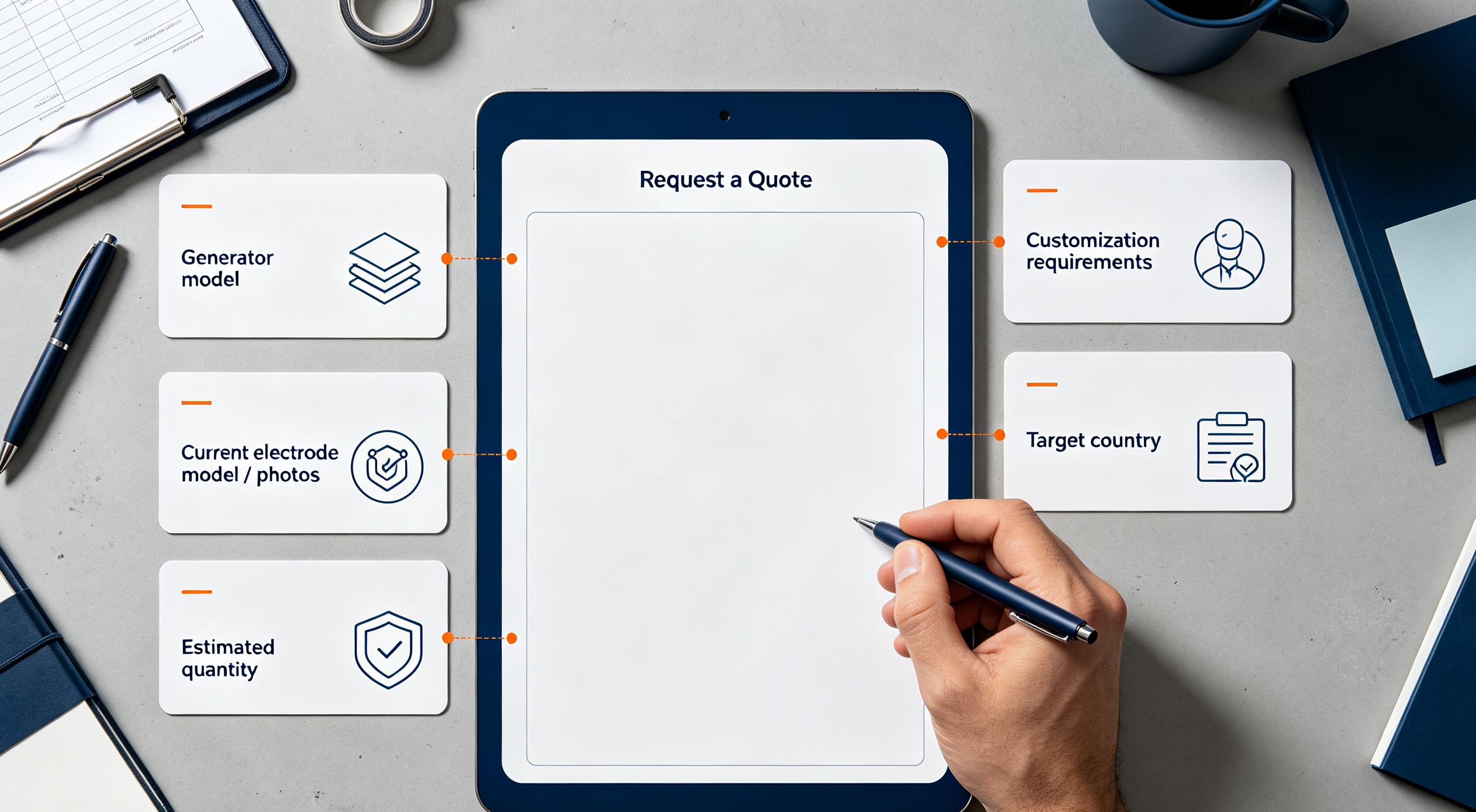
We can review the product requirements, customization options, samples, available documentation, MOQ, and quotation.
Already have a Coblation wand you want to source under your own brand? Send us the model number, specifications, or photos. We can start from there.