

Microdebrider vs Traditional Instruments in ENT Surgery
Introduction
Traditional forceps, punches, and curettes remain essential in ENT surgery. However, for procedures such as endoscopic sinus surgery (ESS), nasal polypectomy, turbinate surgery, and adenoidectomy, microdebriders can offer clear advantages in tissue removal and surgical efficiency.
For hospitals and distributors, the decision is not simply powered versus manual instruments. Operating time, visualization, blade cost, system compatibility, and long-term supply should all be considered.
So, where does a microdebrider make the biggest difference?
Microdebrider vs Traditional Instruments
Traditional ENT instruments remove tissue manually through cutting, biting, or curettage. They are simple, familiar, and require little additional equipment.
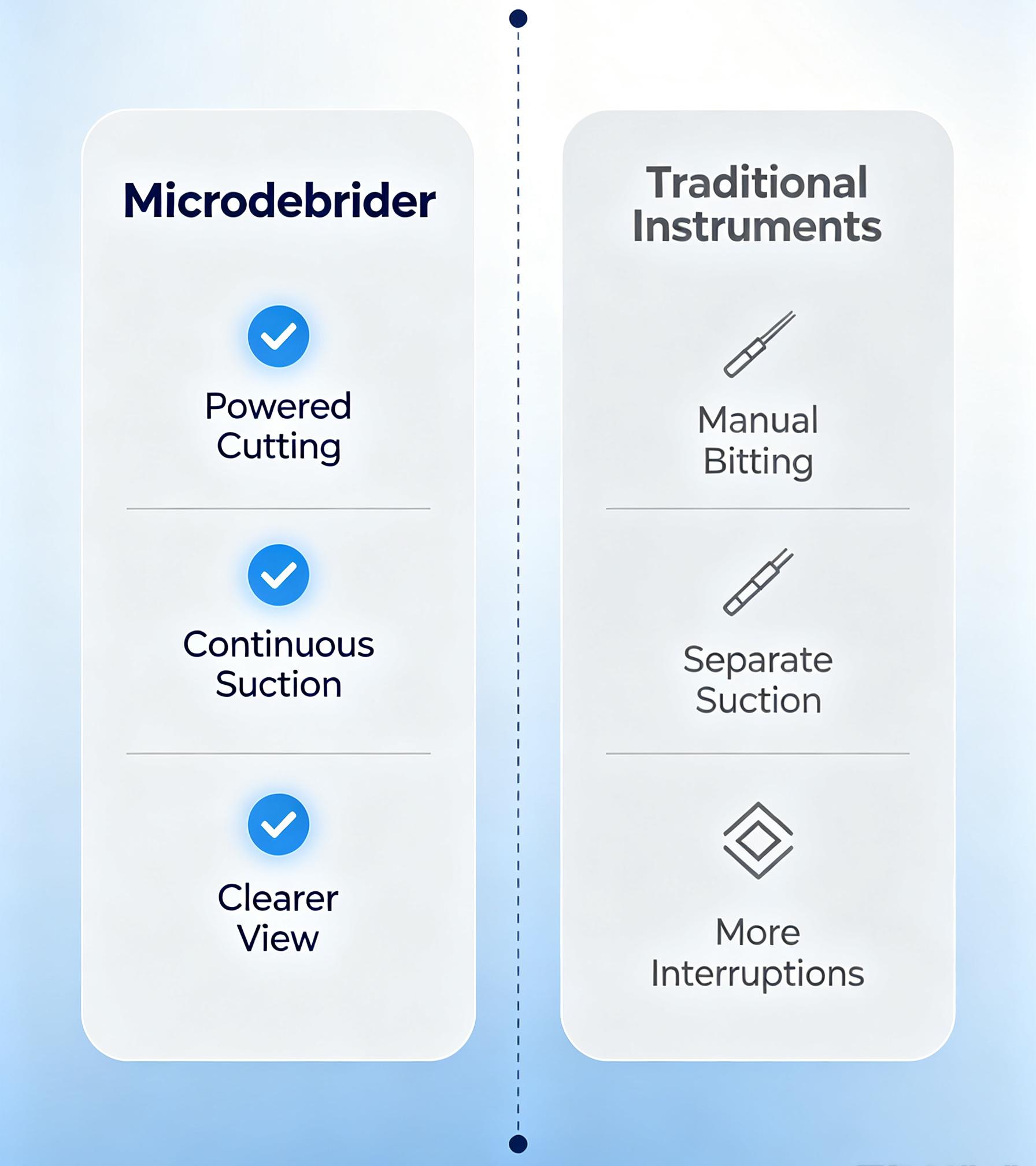
A microdebrider combines powered cutting with continuous suction. Tissue is drawn into the blade opening, cut by the rotating or oscillating inner blade, and removed through the suction channel.
This allows the surgeon to remove tissue while keeping the surgical field relatively clear.
Factor | Microdebrider | Traditional Instruments |
Tissue removal | Powered and controlled | Manual |
Suction | Integrated | Usually separate |
Visualization | Clearer during tissue removal | More interruptions may occur |
Equipment | Console + handpiece + blades | Minimal equipment |
Consumables | Requires compatible blades | Generally lower |
Best suited for | Repetitive or larger-volume tissue removal | Manual dissection and complementary use |
In practice, surgeons usually use both. A microdebrider complements traditional ENT instruments rather than replacing them completely.
Faster and More Efficient Tissue Removal
One of the main advantages of a microdebrider is that cutting and suction happen at the same time.
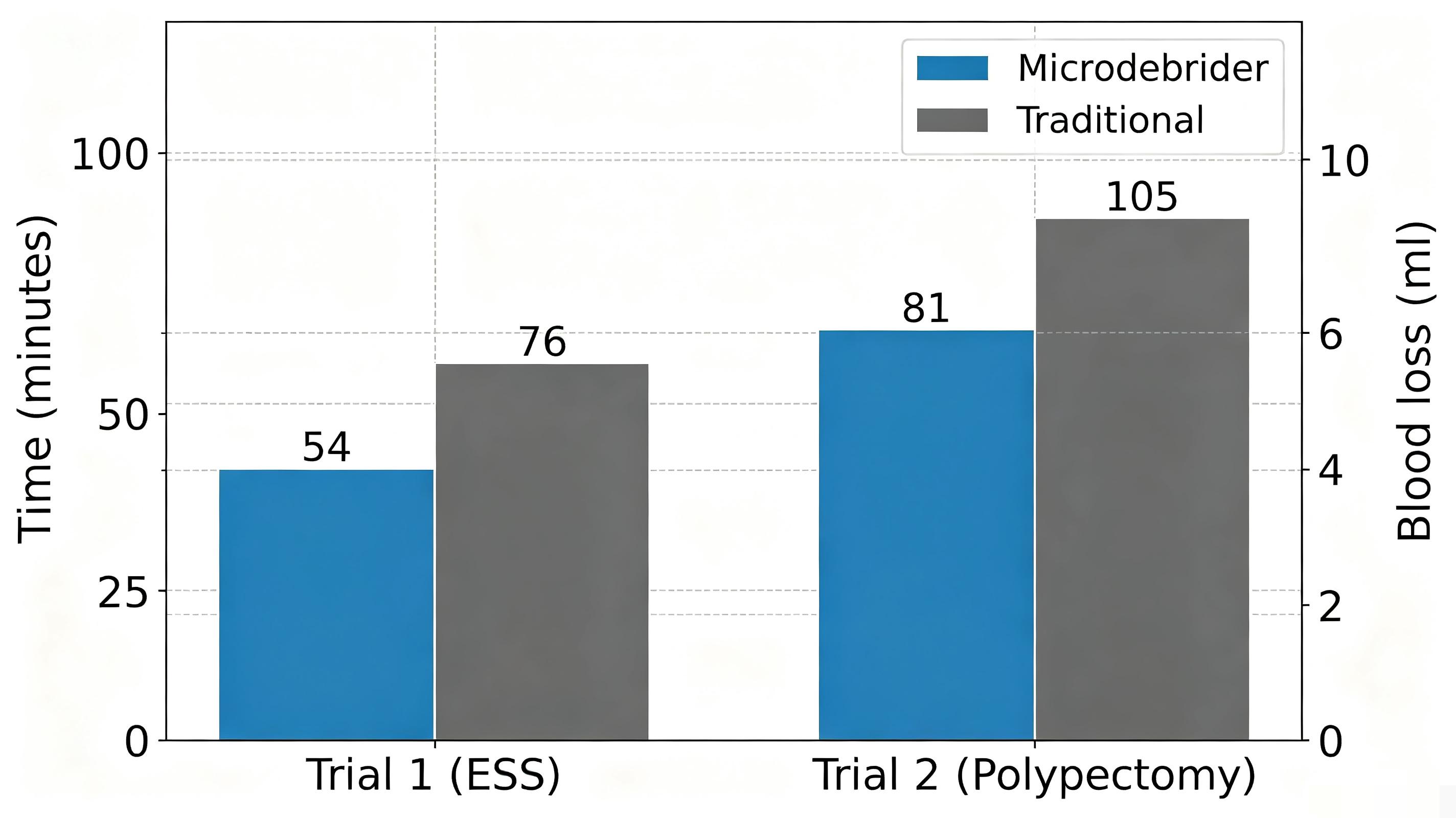
Clinical studies have reported shorter operating times in some ENT procedures. One randomized study involving patients with chronic rhinosinusitis and nasal polyposis reported an average operating time of approximately 54 minutes with a microdebrider versus 76 minutes with standard instruments.
Mean blood loss was also lower in the microdebrider group.
Another comparative study reported operating times of approximately 130 minutes with microdebrider-assisted surgery versus 163 minutes with conventional instruments.
Results naturally vary by procedure, surgeon, and disease severity. Still, the ability to cut and suction continuously can reduce instrument changes and interruptions during surgery.
For high-volume ENT departments, even modest time savings per case can improve operating room efficiency.
Better Visualization and Tissue Control
Visibility is especially important during endoscopic sinus surgery.
With traditional instruments, surgeons may need to alternate between cutting, suction, and cleaning. A microdebrider combines these steps, helping maintain a clearer surgical field.
It also allows gradual tissue removal, which can be useful when working in narrow sinonasal anatomy.
However, a microdebrider is still a powered surgical instrument and must be used carefully under direct visualization, particularly near the orbit and skull base.
What About Patient Outcomes?
Some comparative studies have reported less postoperative pain, reduced crusting or synechiae, and lower recurrence rates with microdebrider-assisted techniques.
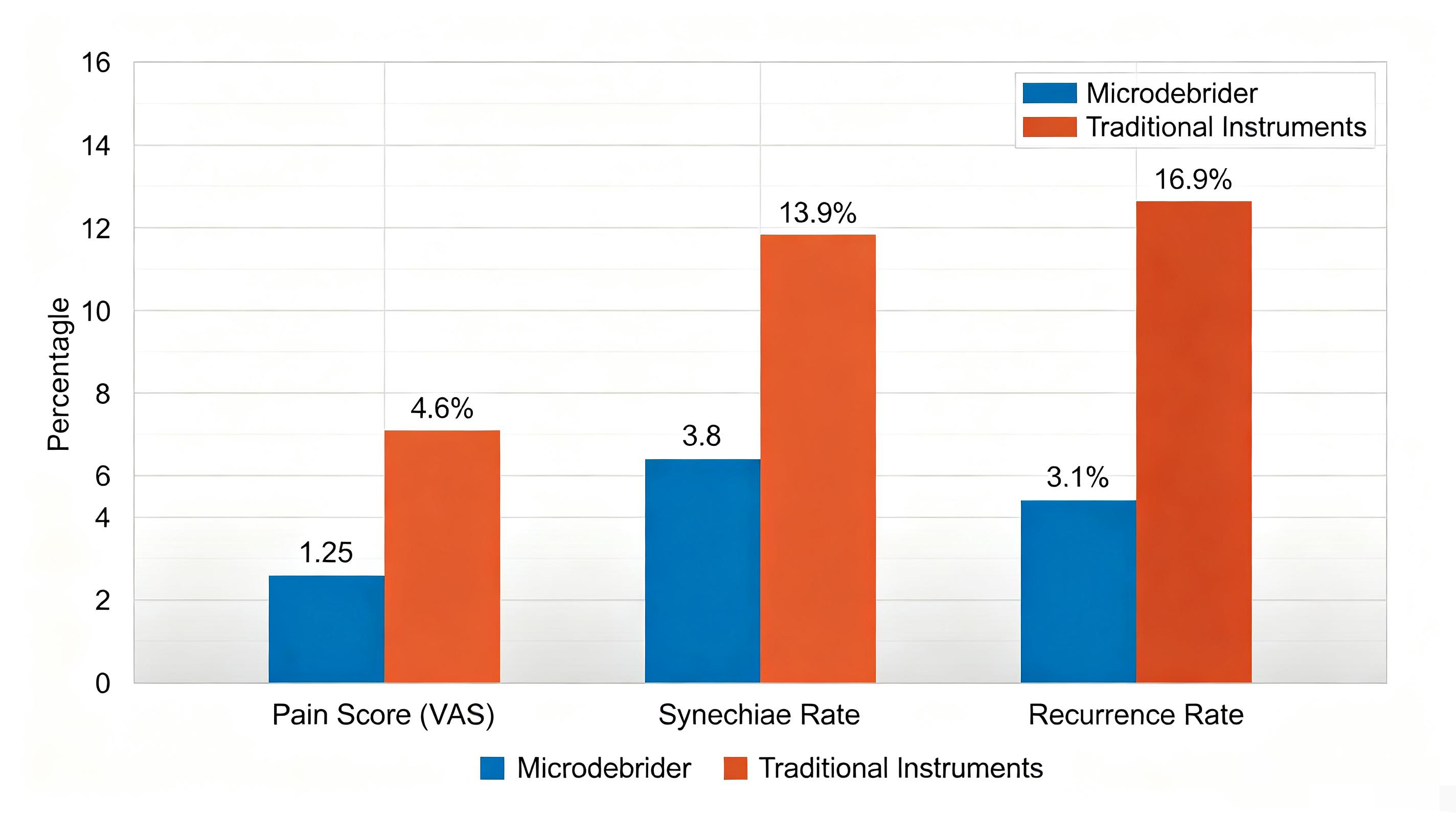
These results should be interpreted carefully because outcomes also depend on surgical technique, disease severity, surgeon experience, and postoperative care.
The practical question is therefore not whether a microdebrider is always better.
It is whether powered tissue removal provides enough clinical and workflow benefit for a particular procedure to justify the equipment and consumable cost.
When Traditional Instruments Still Make Sense
Traditional ENT instruments remain important.
They may be more practical when only limited tissue needs to be removed, when manual dissection provides better control, or when the procedure does not justify powered instrumentation.
For this reason, most ENT operating rooms use microdebriders and traditional instruments together.
What to Consider When Buying a Microdebrider
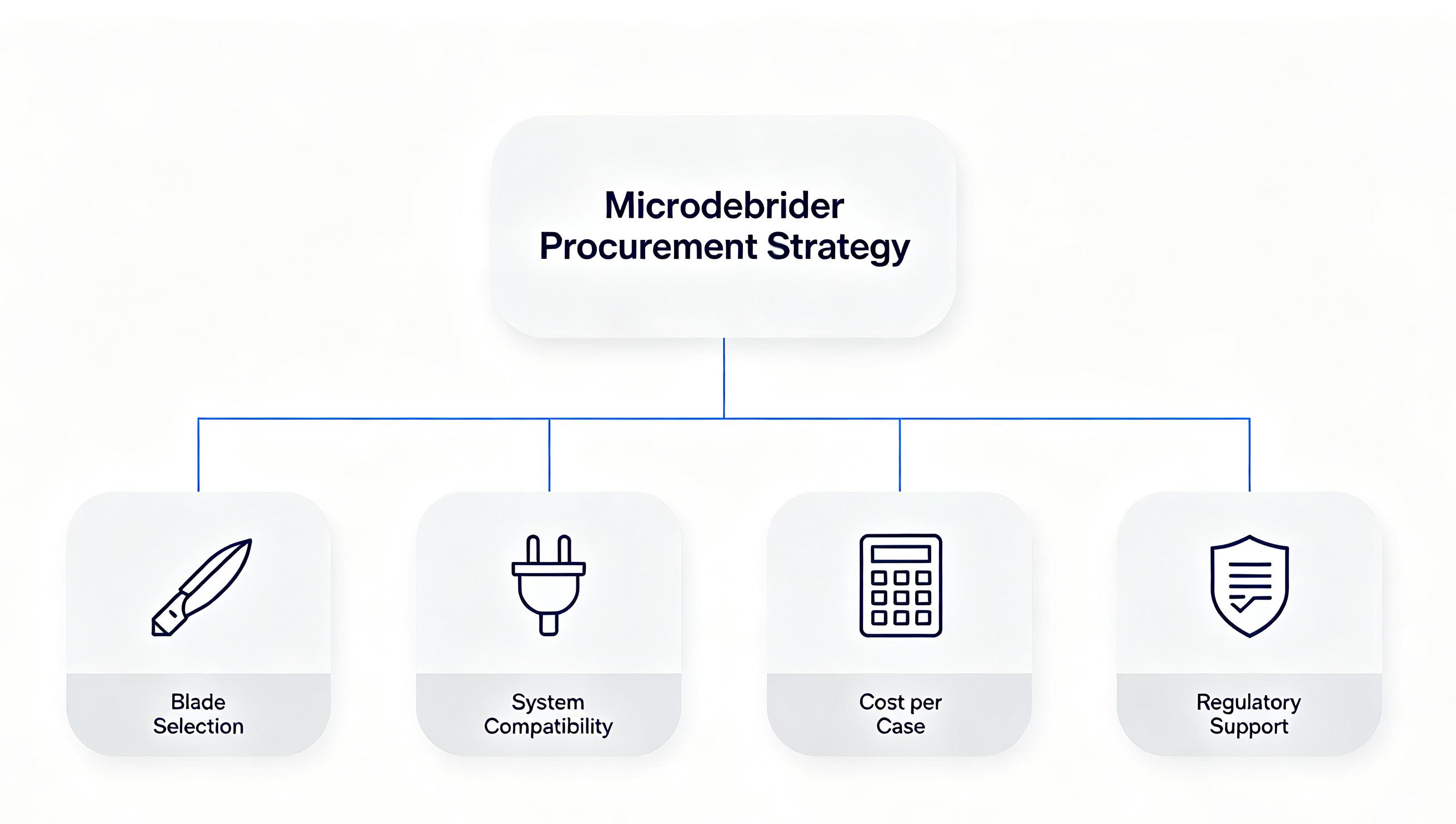
For hospitals and distributors, the console price is only part of the purchasing decision.
Blade Selection
Different procedures require different blade diameters, angles, cutting windows, and burr designs.
A good microdebrider platform should provide suitable options for:
· Endoscopic sinus surgery
· Nasal polypectomy
· Turbinate procedures
· Adenoidectomy
· Soft-tissue removal
· Selected bone work
System Compatibility
Before purchasing blades, confirm compatibility with the console and handpiece being used.
This is particularly important for distributors. Compatible consumables can be easier to introduce into hospitals that already have an installed microdebrider system.
Cost per Procedure
The lowest blade price does not always mean the lowest cost per case.
Cutting performance, suction, blade durability, packaging, sterilization, and supply stability should also be considered.
Regulatory and Supply Support
International distributors should also evaluate the manufacturer's:
· ISO 13485 quality system
· Regulatory documentation
· OEM/private-label capability
· Packaging and labeling options
· Production capacity
· Lead time and supply stability
These factors become especially important when registering products or developing a distributor's own brand.
Choosing the Right Microdebrider Supplier
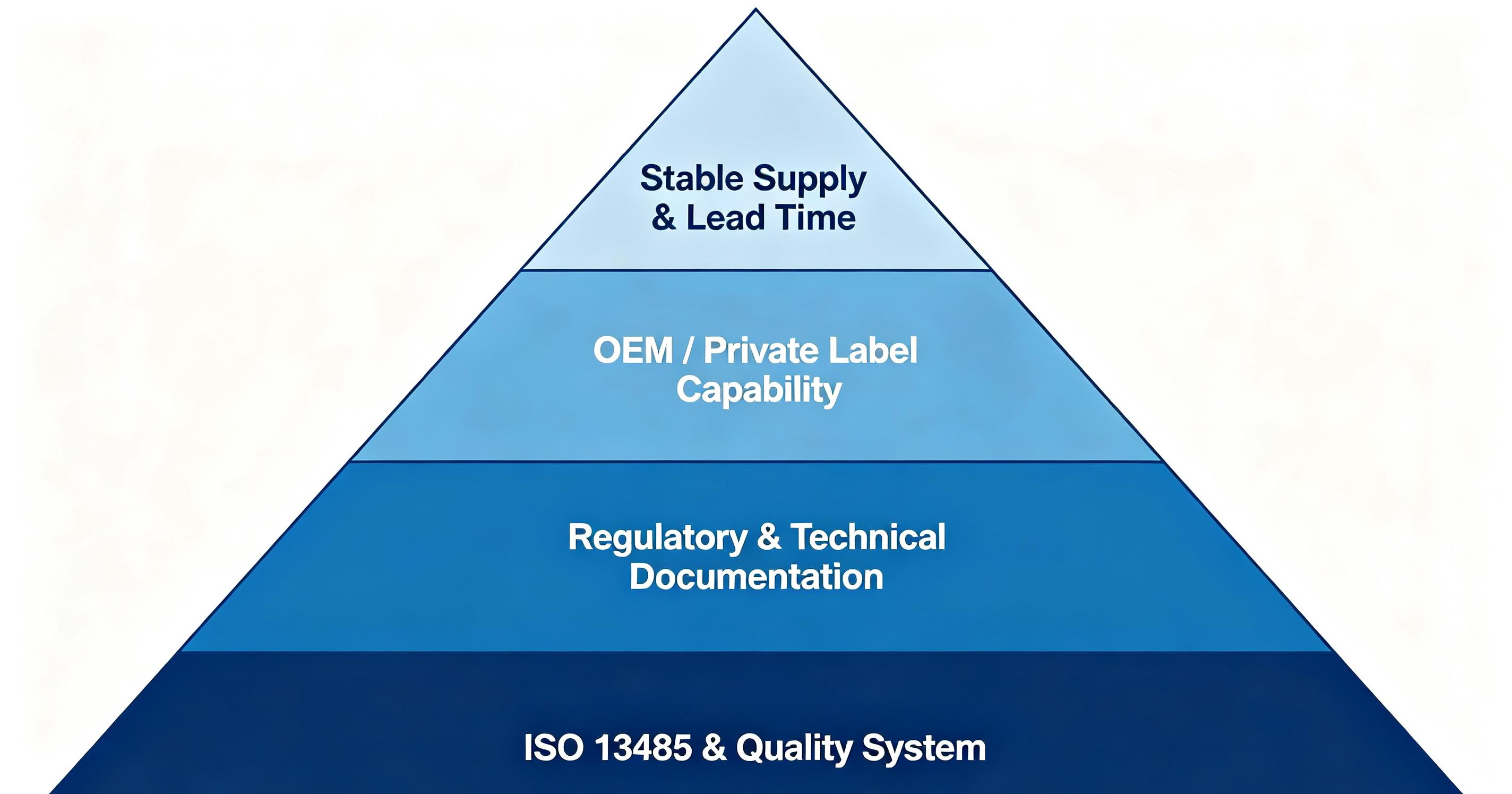
For distributors, product performance is only one part of the decision.
A reliable supplier should also provide consistent manufacturing, technical documentation, compatibility support, OEM options, and stable supply for repeat orders.
This can make a significant difference when building a long-term ENT product line rather than simply purchasing individual blades.
Looking for ENT Microdebrider Blades or Systems?
Hunan ENT&PAIN Medical Technology Co., Ltd. is an ISO 13485-certified manufacturer of ENT surgical products, including microdebrider systems and blades, Coblation wands, RF plasma surgical electrodes, and other disposable ENT instruments.
We support international distributors with OEM/private labeling, product documentation, customized packaging, regulatory support, and stable production.
If you are sourcing ENT microdebrider blades or a complete microdebrider system, send us your:
· Current console or handpiece model
· Required blade type and size
· Surgical application
· Estimated order quantity
We can help you identify a suitable product configuration for your market.