

Microdebrider vs Coblation for Turbinate Reduction: Which Is Better?
Introduction
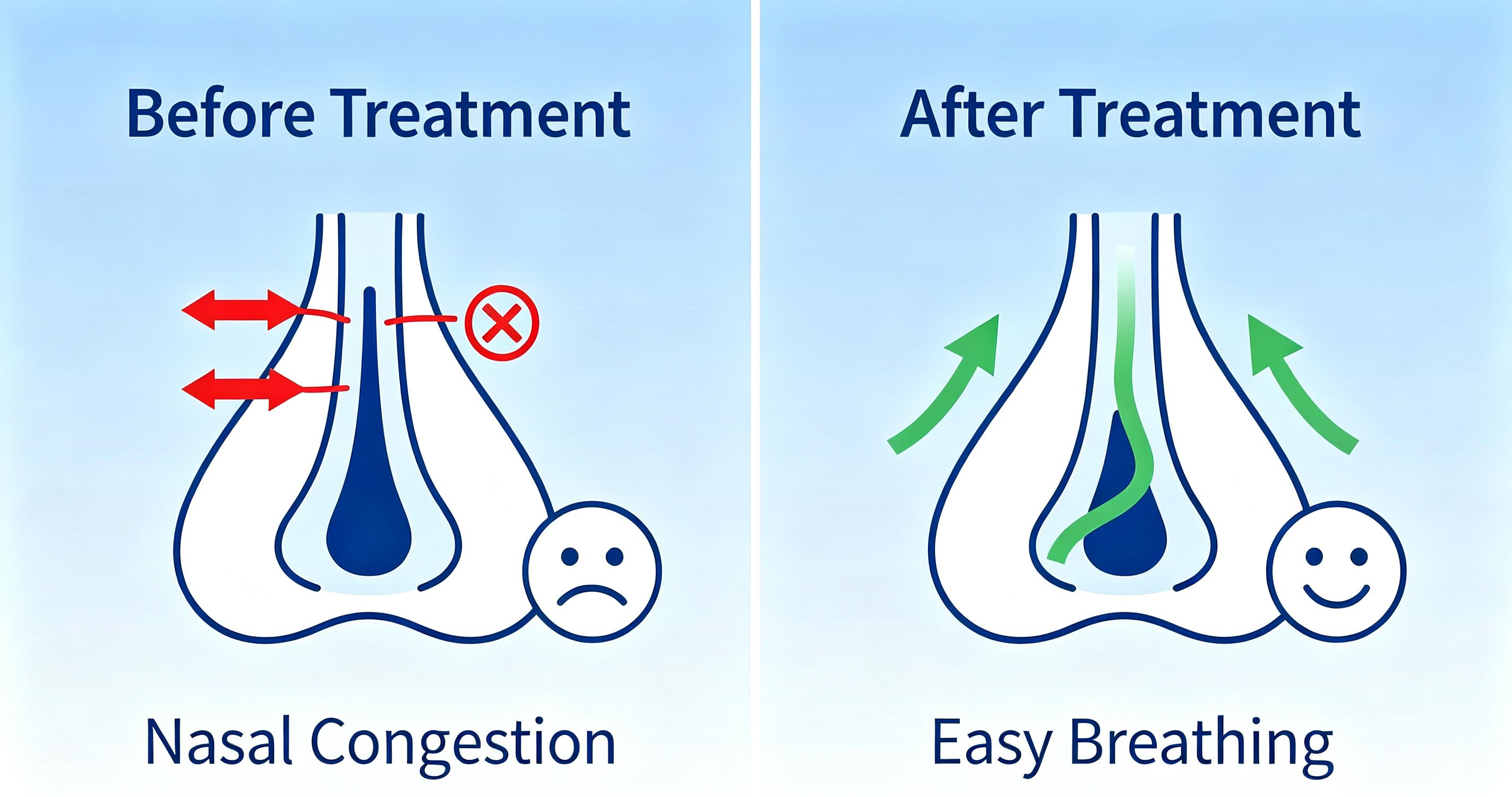
Inferior turbinate hypertrophy is a common cause of chronic nasal obstruction. When medication does not provide enough relief, turbinate reduction surgery may be considered.
Two commonly used techniques are microdebrider-assisted turbinoplasty (MAT) and Coblation-assisted turbinoplasty (CAT). Both can reduce turbinate volume and improve nasal airflow, but they work in different ways.
So, which technique is better? The answer depends on the patient's anatomy, the amount of tissue that needs to be reduced, and the surgeon's preferred approach.
What Is Microdebrider-Assisted Turbinoplasty?
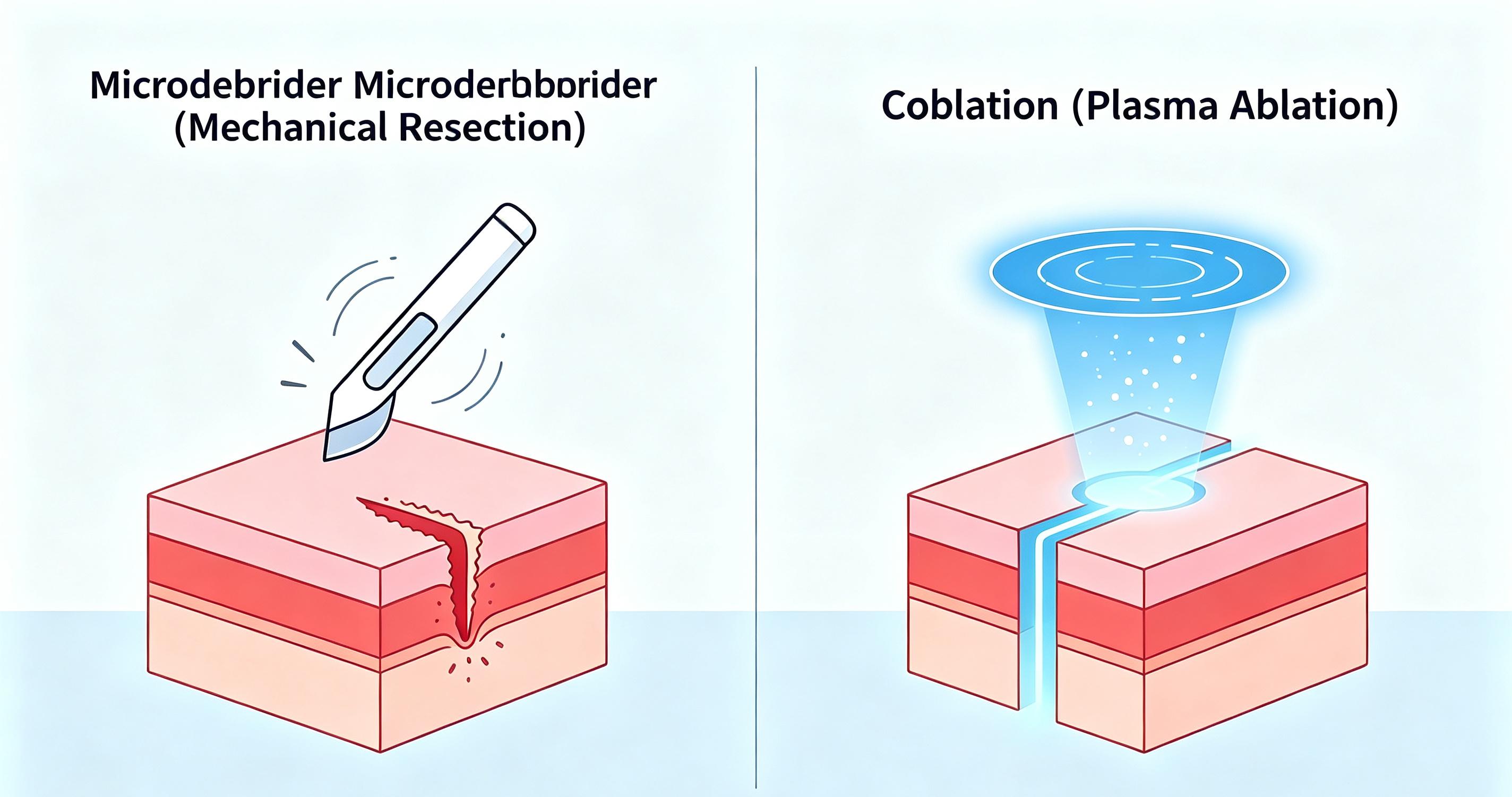
A microdebrider is a powered surgical instrument that uses a rotating blade and suction to remove submucosal tissue. It can also be used to reduce selected portions of turbinate bone when necessary.
Main advantages
· Precise and controlled tissue removal
· Can treat both soft tissue and selected bony components
· Provides immediate volume reduction
· Useful when more substantial tissue reduction is needed
Because the microdebrider mechanically removes tissue, some patients may experience more bleeding, crusting, or postoperative discomfort compared with less invasive techniques.
What Is Coblation-Assisted Turbinoplasty?
Coblation uses bipolar radiofrequency energy to create a localized plasma field. The energy is delivered through a Coblation wand to treat tissue beneath the mucosal surface.
The technology operates at relatively low temperatures, generally around 40–70°C, helping limit thermal damage to surrounding tissue.
Main advantages
· Minimally invasive submucosal treatment
· Low-temperature tissue ablation
· Good mucosal preservation
· Generally less postoperative pain in comparative studies
· Can be performed under local anesthesia in selected patients
· May be suitable for outpatient procedures
Coblation is also widely used in other ENT procedures, including tonsillectomy and adenoidectomy.
Microdebrider vs Coblation
Feature | Microdebrider | Coblation |
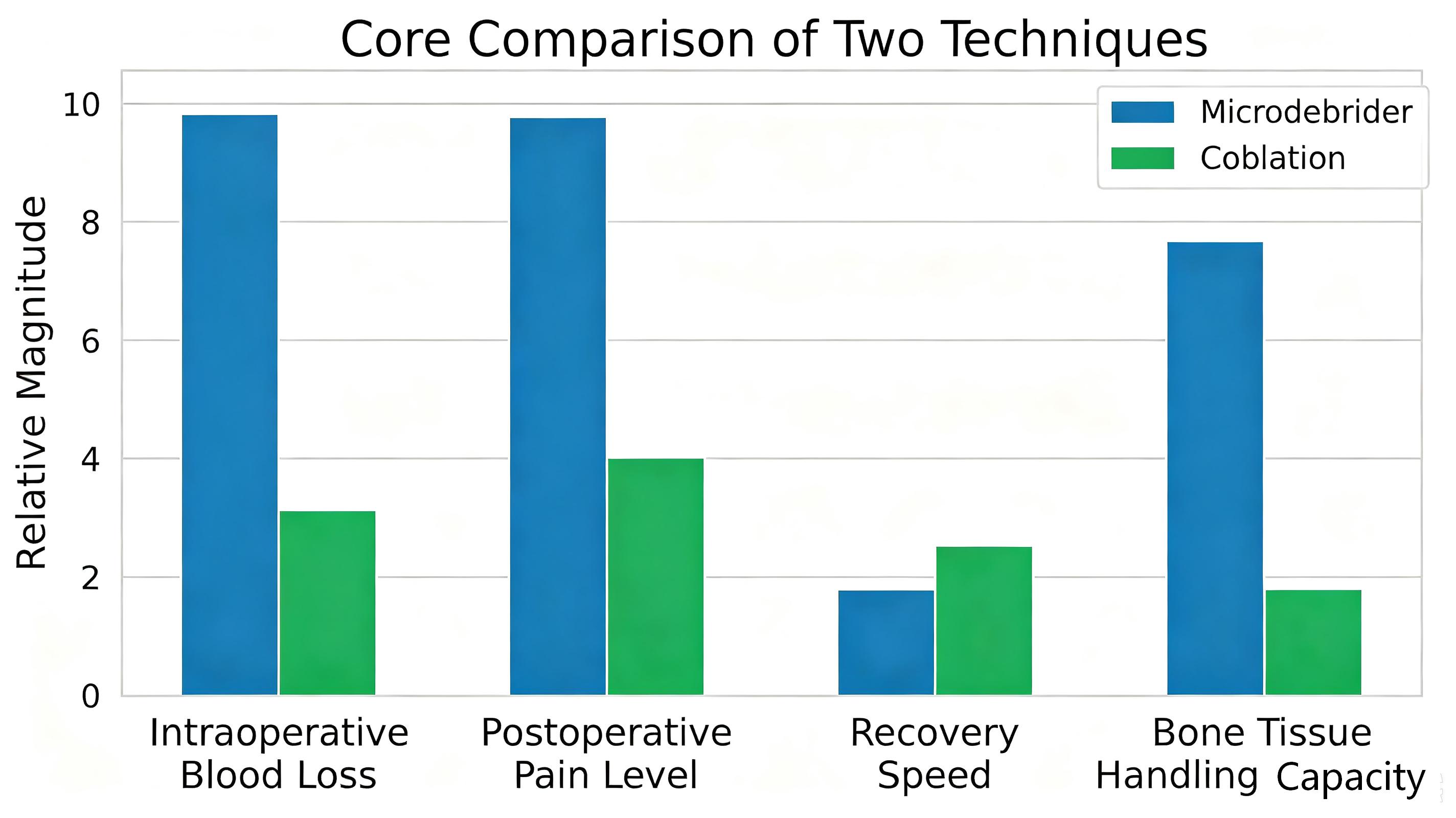
Main mechanism | Mechanical tissue removal | Bipolar RF plasma ablation |
Soft tissue reduction | Excellent | Excellent |
Bony reduction | Possible | Limited |
Mucosal preservation | Yes | Yes |
Bleeding | May be higher | Generally low |
Postoperative pain | May be higher | Often lower |
Recovery | Good | Often faster |
Best suited for | More extensive tissue reduction | Submucosal soft-tissue reduction |
Both techniques can provide significant improvement in nasal obstruction. Comparative studies have generally found similar symptom improvement, while Coblation may offer less postoperative pain in some patients.
The choice should therefore be based on the patient's anatomy and the surgeon's treatment goals rather than assuming that one technique is always better.
When Is a Microdebrider a Good Choice?
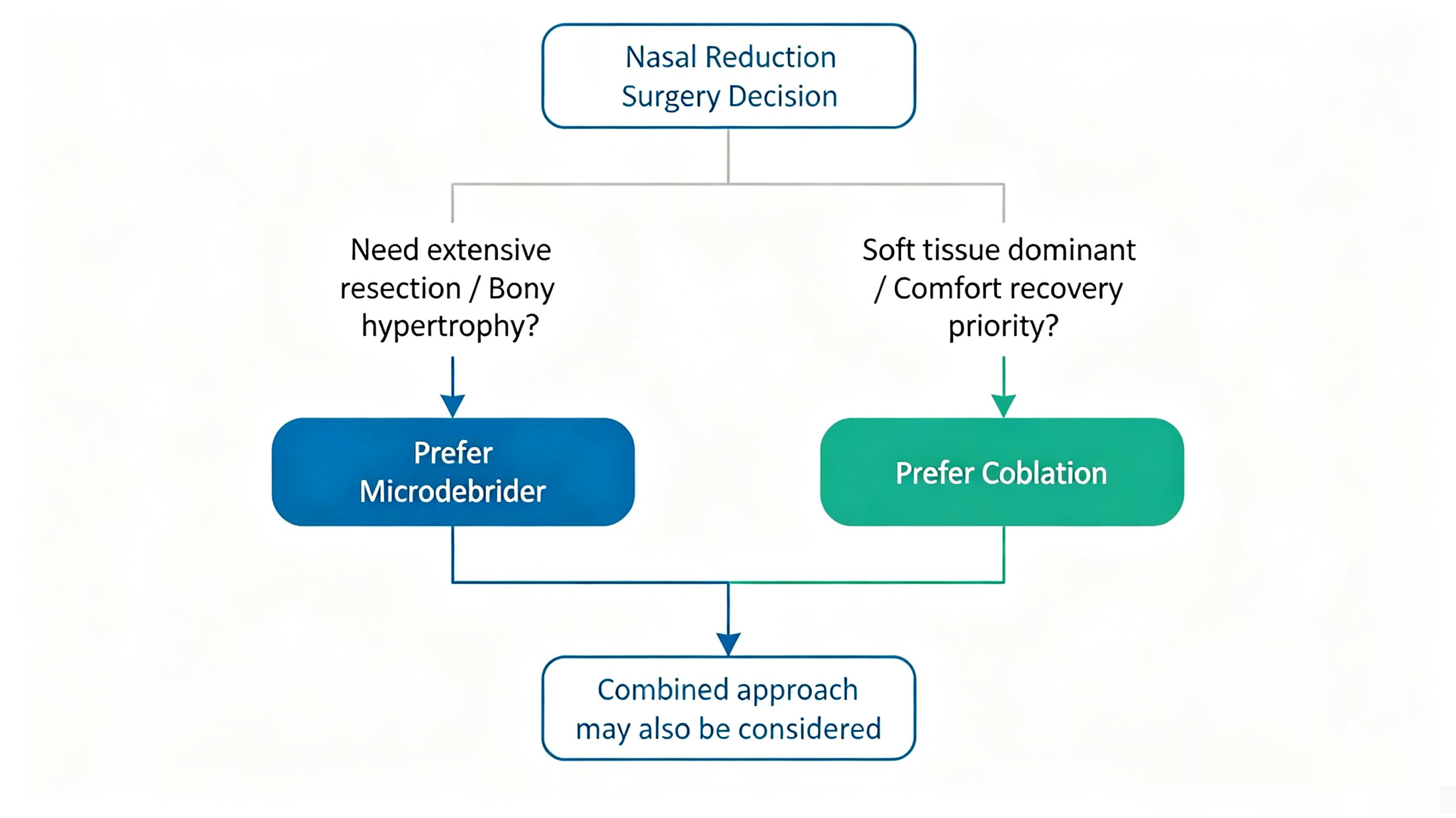
A microdebrider may be preferred when:
· Significant turbinate tissue needs to be removed
· Bony hypertrophy is present
· Direct mechanical tissue removal is desired
· Precise tissue reduction is important
The microdebrider is also commonly used in other ENT procedures, such as functional endoscopic sinus surgery and adenoidectomy.
When Is Coblation a Good Choice?
Coblation may be a good option when:
· Soft-tissue hypertrophy is the main problem
· A submucosal technique is preferred
· Minimizing postoperative discomfort is important
· Low-temperature tissue treatment is desired
· Local anesthesia or an outpatient procedure is appropriate
For patients who want a less invasive treatment and a comfortable recovery, Coblation can be an attractive option.
Can Microdebrider and Coblation Be Used Together?
Yes. The two technologies do not always have to be used separately.
In selected cases, a surgeon may use a microdebrider for controlled tissue removal and Coblation for additional submucosal treatment.
The appropriate approach depends on the patient's anatomy and the surgeon's experience.
Recovery After Turbinate Reduction
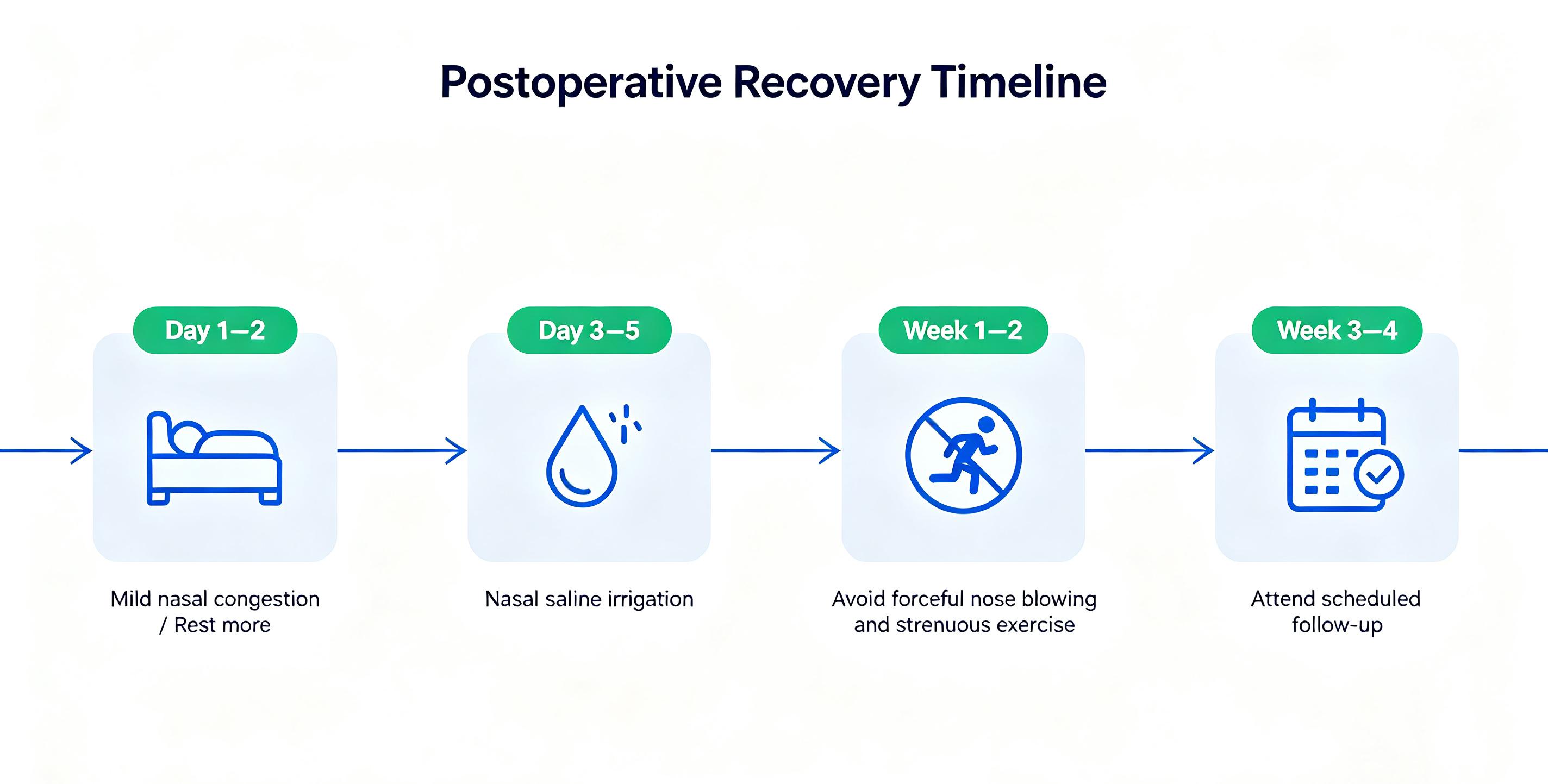
Recovery varies from patient to patient and depends on the surgical technique and extent of treatment.
Temporary nasal congestion, swelling, crusting, or mild bleeding can occur during the healing period.
Postoperative care may include:
· Regular saline nasal irrigation
· Avoiding forceful nose blowing during early recovery
· Following the surgeon's activity recommendations
· Attending follow-up examinations as advised
Patients should follow the specific postoperative instructions provided by their ENT surgeon.
Microdebrider or Coblation: Which One Should You Choose?
Both microdebrider-assisted turbinoplasty and Coblation-assisted turbinoplasty are effective options for inferior turbinate reduction.
Microdebriders provide direct and precise tissue removal and may be particularly useful when significant soft tissue or bony reduction is required.
Coblation provides controlled submucosal treatment using low-temperature radiofrequency energy and may offer a more comfortable recovery in selected patients.
Ultimately, the best technique depends on patient anatomy, surgical goals, and surgeon experience.
For hospitals and ENT departments, the choice may also depend on the available generator, disposable wands or electrodes, clinical applications, and overall treatment cost.
About Hunan ENT&PAIN
Hunan ENT&PAIN is an ISO 13485-certified medical device manufacturer specializing in Coblation wands, RF plasma surgical electrodes, and minimally invasive ENT surgical devices.
We provide OEM/ODM services, product documentation, stable supply, and regulatory support for hospitals, distributors, and medical device companies.
If you are looking for a Coblation wand or RF plasma surgical electrode supplier, contact Hunan ENT&PAIN to discuss your product and distribution requirements.