

Microdebrider: An Essential Powered Instrument in Modern ENT Surgery
What Is a Microdebrider?
A microdebrider is a powered surgical instrument widely used in otolaryngology (ENT) for precise removal of soft tissue. It consists of a hollow outer tube and an inner rotating blade. Suction draws tissue into the blade opening, where it is cut and removed along with blood and tissue debris.
First introduced into rhinology in the 1990s, microdebriders are now widely used in endoscopic sinus surgery (ESS) and other ENT procedures. The combination of controlled tissue removal and continuous suction helps maintain a clear surgical field and allows surgeons to work with greater precision.
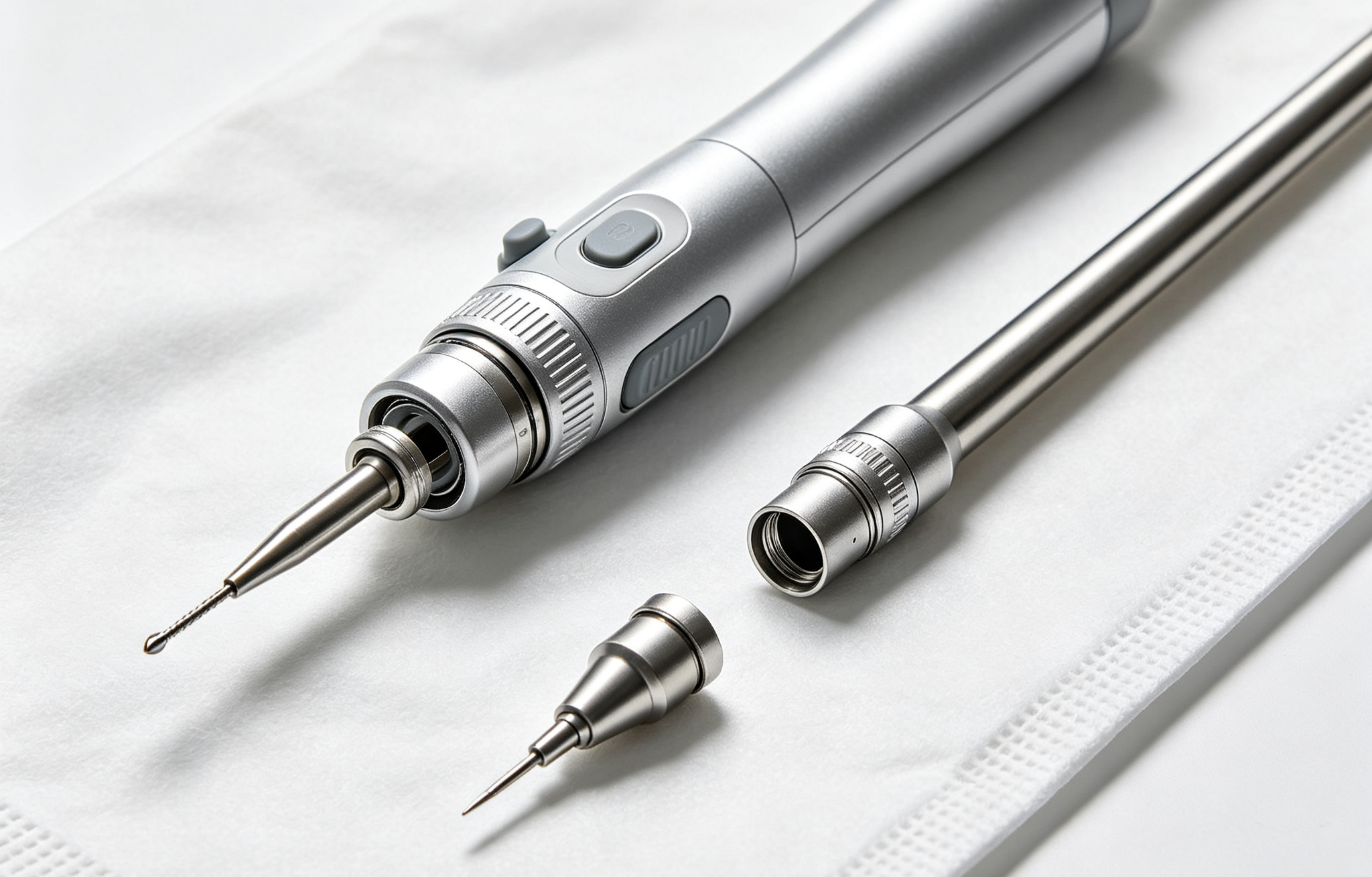
Microdebrider Turbinate Reduction
One of the most common applications of the microdebrider is microdebrider turbinate reduction, a procedure used to treat inferior turbinate hypertrophy and improve nasal airflow.
During the procedure, the microdebrider device removes a controlled amount of submucosal tissue while preserving the overlying mucosa. This approach can reduce turbinate volume while maintaining the physiological function of the nasal mucosa.
Microdebrider-assisted turbinate reduction is generally associated with limited postoperative discomfort and congestion. Saline irrigation is commonly recommended during recovery. Although many patients can return to normal activities within a few days, complete mucosal healing may take several weeks.
Compared with techniques such as diathermy and coblation, microdebrider turbinate reduction offers precise tissue removal and good control of the treatment area. The choice of technique depends on the patient's condition and the surgeon's experience.
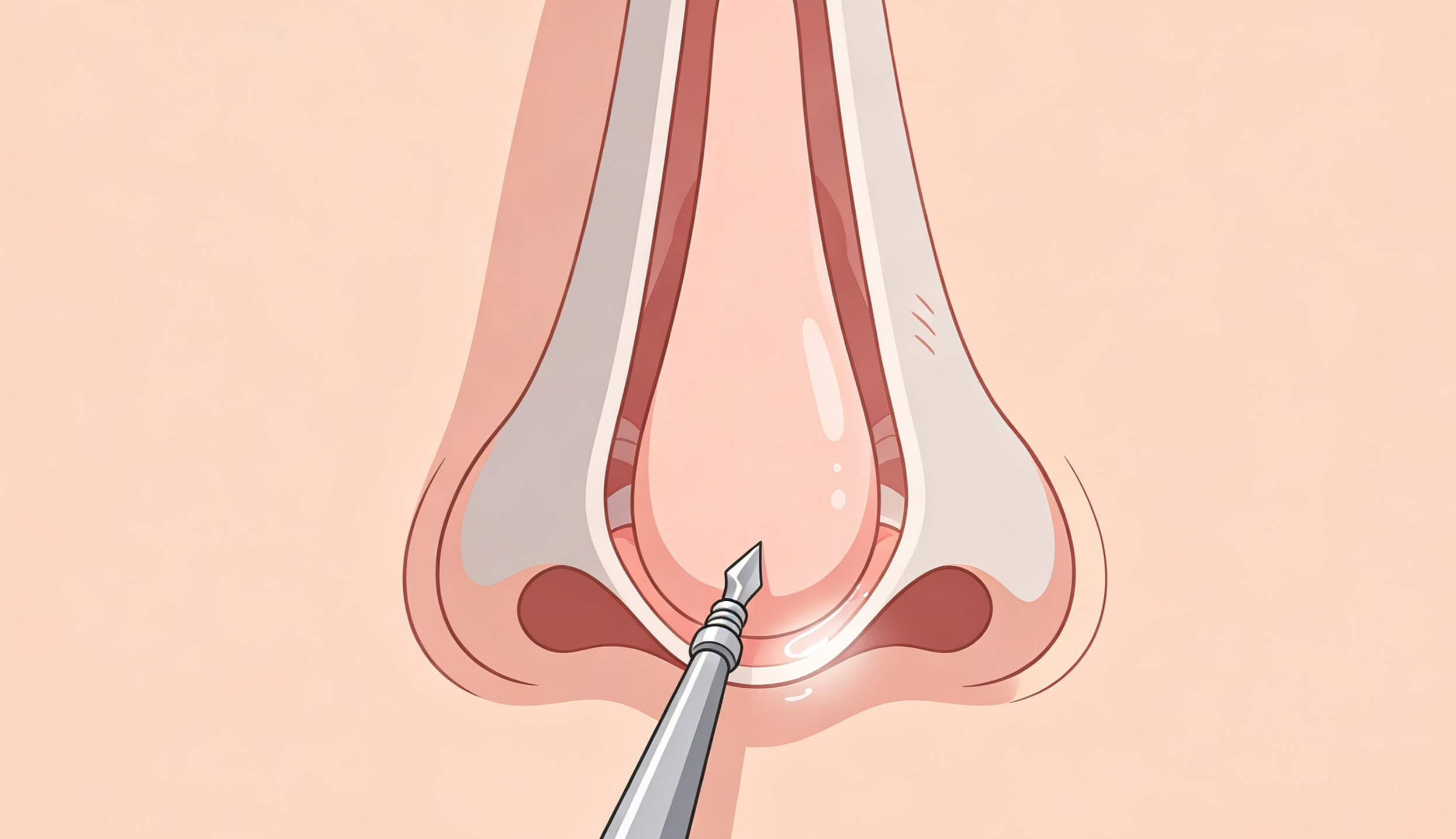
Advantages in Endoscopic Sinus Surgery
The microdebrider has become an important instrument in functional endoscopic sinus surgery (FESS) because it combines tissue removal with suction.
Its main advantages include:
· Precise and controlled tissue removal
· Continuous suction of blood and tissue debris
· Improved visualization of the surgical field
· Efficient removal of nasal polyps and other soft tissue
· Reduced trauma to surrounding structures when used appropriately
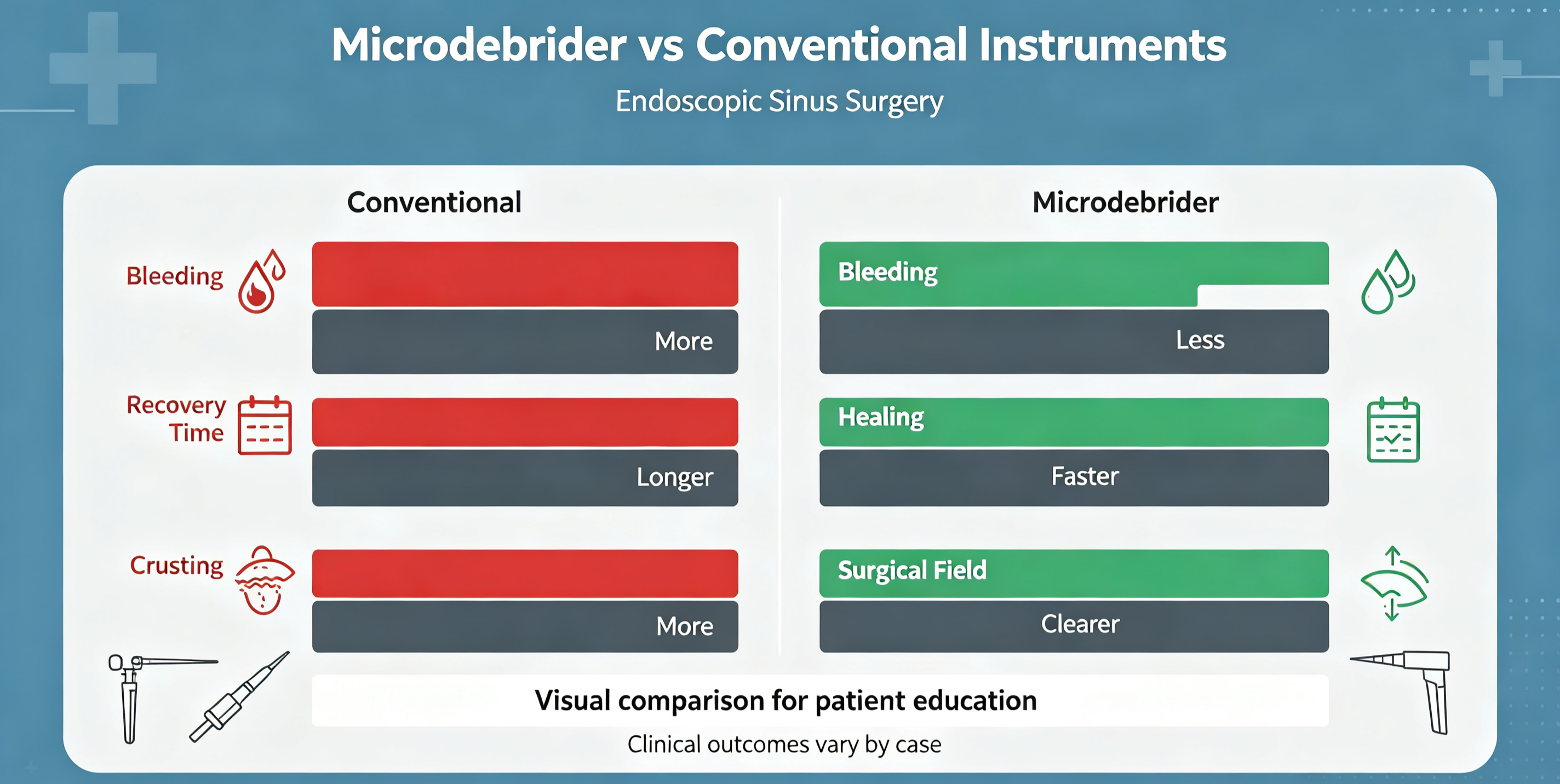
Clinical studies have reported favorable postoperative outcomes with microdebrider-assisted ESS, including reduced early postoperative crusting, edema, bleeding, and synechia formation in some settings.
By removing tissue while maintaining suction, the microdebrider can help surgeons maintain a clear field throughout the procedure. This is particularly useful during endoscopic procedures where visualization is critical.
Safety and Considerations
Although the microdebrider is widely used and generally considered safe, it requires careful handling and continuous endoscopic visualization.
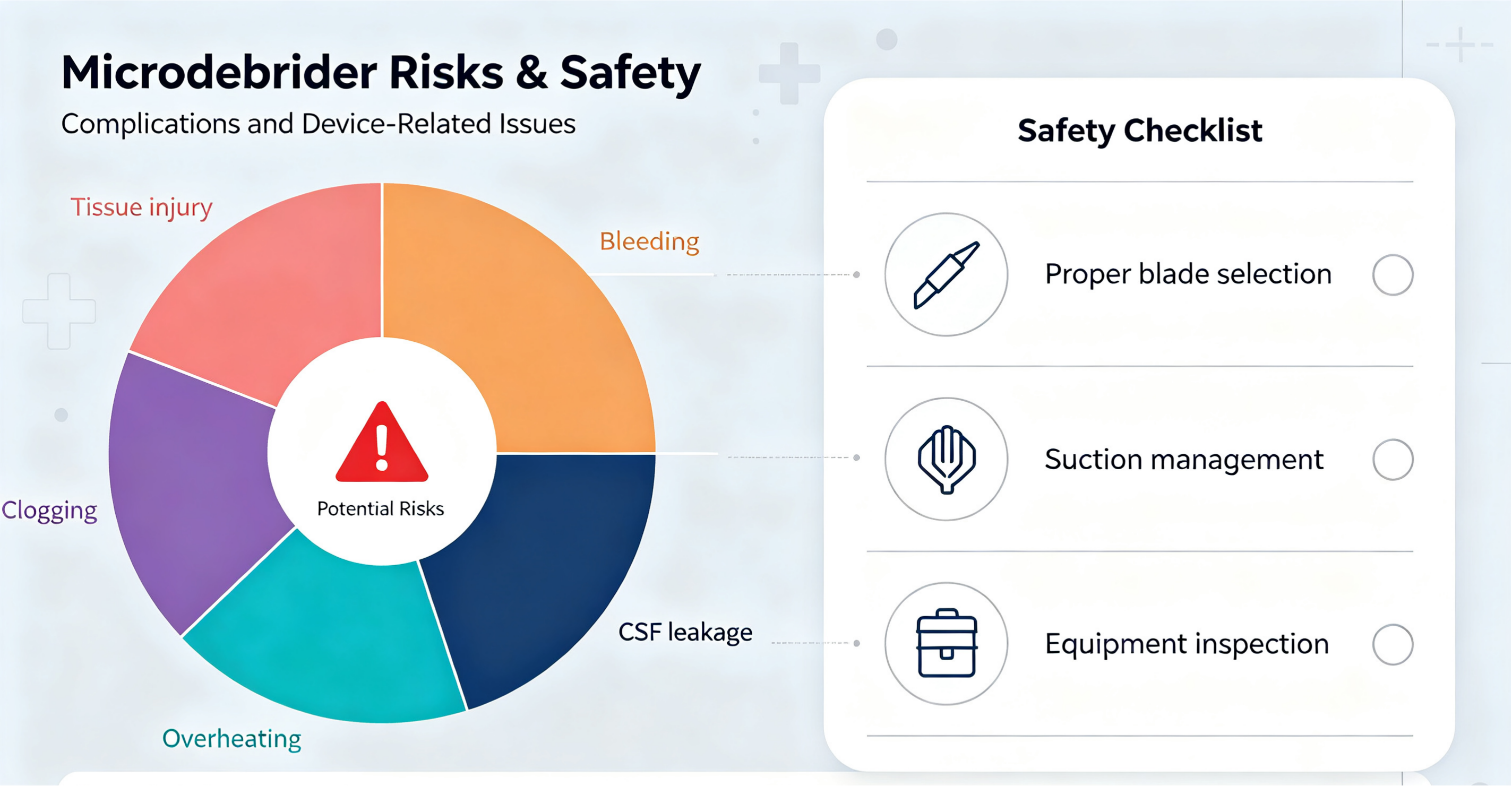
Potential complications depend on the procedure and anatomical location and may include unintended tissue injury, bleeding, synechia formation, cerebrospinal fluid (CSF) leakage, and orbital or intracranial injury in procedures involving the sinuses.
Device-related problems can also occur, including overheating, blade or component damage, clogging, or inconsistent activation. Proper blade selection, suction management, equipment inspection, and surgical technique are important for safe operation.
The risk of complications is influenced not only by the device itself but also by the surgical anatomy, procedure, operator experience, and visualization.
Microdebrider Applications in ENT
The role of the microdebrider ENT instrument extends well beyond sinus surgery. Depending on the blade design and system configuration, microdebriders can be used for a range of procedures, including:
· Endoscopic sinus surgery
· Nasal polyp removal
· Inferior turbinate reduction
· Adenoidectomy
· Tonsil surgery
· Selected laryngeal procedures
· Removal of selected soft-tissue lesions
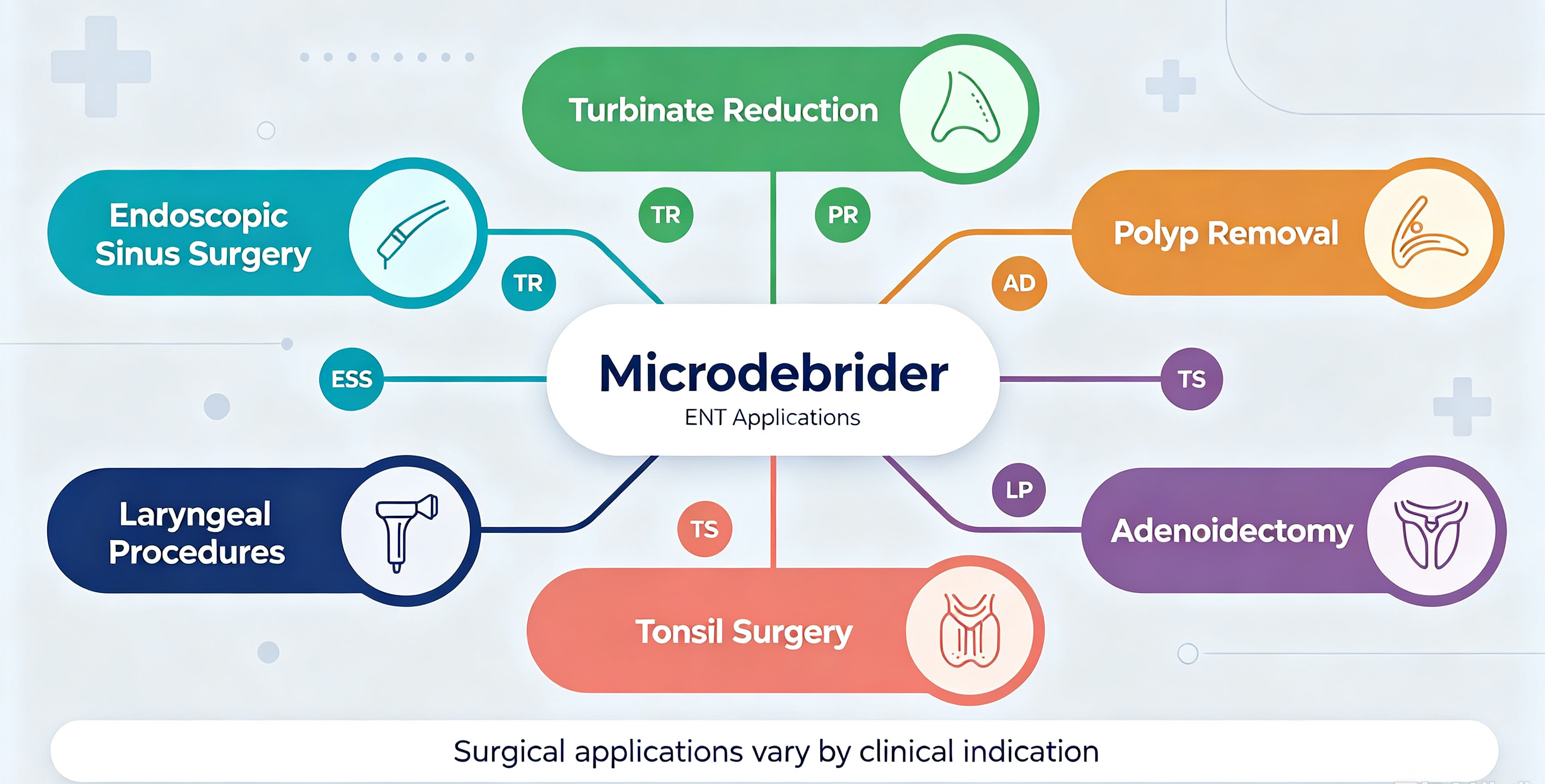
In pediatric ENT, microdebrider-assisted adenoidectomy can provide controlled and accurate removal of adenoid tissue, particularly when good endoscopic visualization is available.
For patients with chronic rhinosinusitis and nasal polyps, the microdebrider can facilitate efficient tissue removal while maintaining a clear operative field.
Popular Microdebrider Systems
Several microdebrider systems are available for ENT surgery. The Medtronic microdebrider portfolio, for example, includes the XPS 3000 system and StraightShot M4 handpiece.
The StraightShot M4 is designed to allow blade rotation during surgery without removing the handpiece from the nasal cavity, which can improve access and handling during endoscopic procedures. The system is compatible with Medtronic's IPC and XPS 3000 platforms.
Medtronic Xomed has also developed a range of powered ENT instruments designed to improve cutting efficiency, tissue control, and surgical workflow.
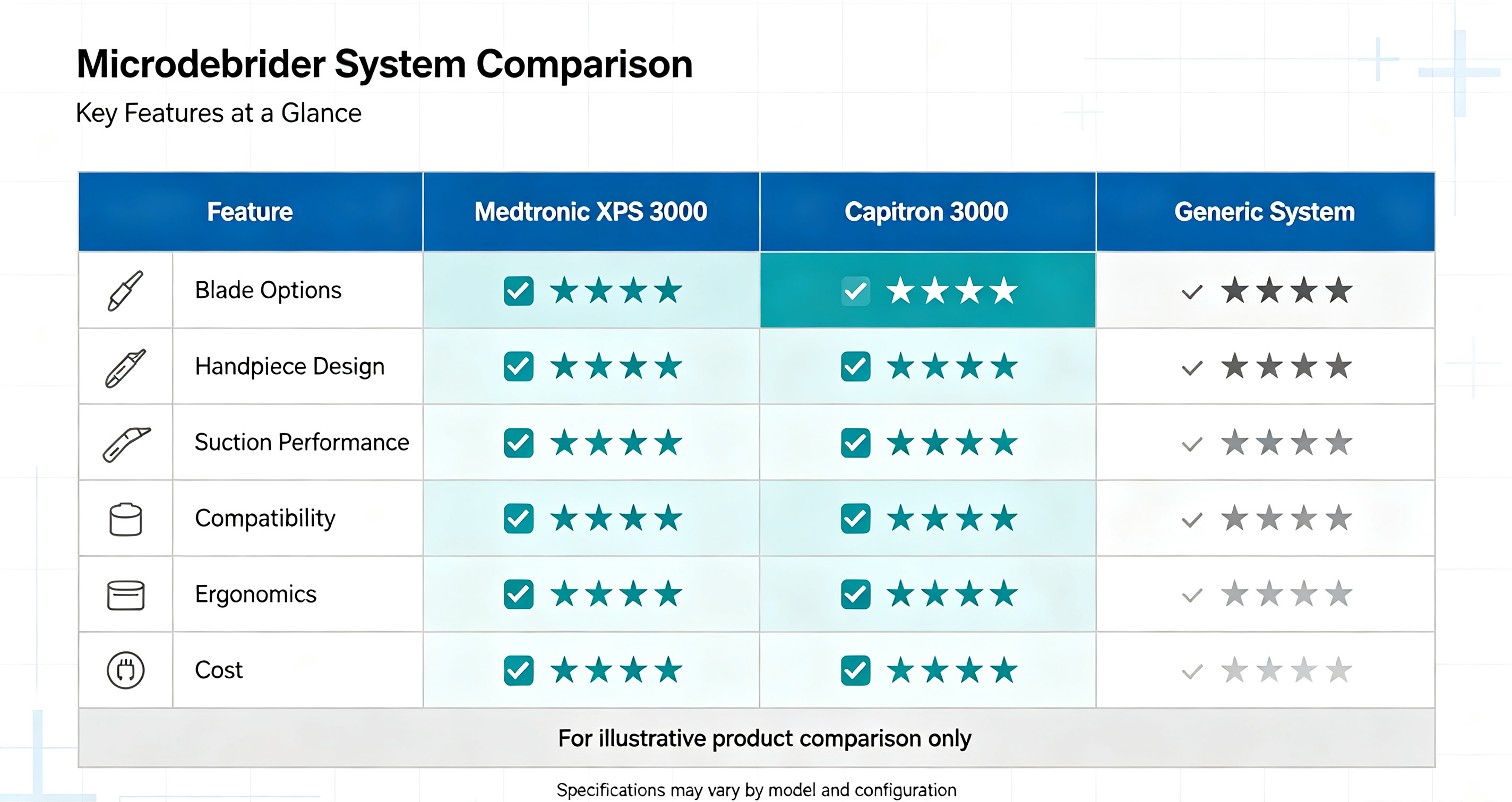
Other systems, such as the Capitron 3000, provide additional options for ENT departments evaluating powered surgical platforms. When selecting a microdebrider system, surgeons and hospitals should consider blade options, handpiece design, suction performance, compatibility, ergonomics, maintenance, and overall operating costs.
Conclusion
The microdebrider has become an important powered instrument in modern ENT surgery. From microdebrider turbinate reduction and nasal polyp removal to endoscopic sinus surgery and adenoidectomy, it provides controlled tissue removal while continuous suction helps maintain a clear surgical field.
Its advantages include precision, efficiency, and good visualization. However, safe use depends on appropriate blade selection, adequate visualization, proper equipment maintenance, and surgical experience.
For ENT departments evaluating microdebrider systems, the most suitable platform will depend on the procedures performed, available accessories, system compatibility, and the surgeon's preferences.