Both Coblation wands and plasma surgical electrodes are used for controlled tissue ablation and coagulation in minimally invasive surgery. They may look similar, but they are not the same product category.
The main differences are the energy system, generator compatibility, electrode design, and clinical applications. Understanding these differences can help hospitals and distributors choose the right device for their needs.
What Is a Coblation Wand?
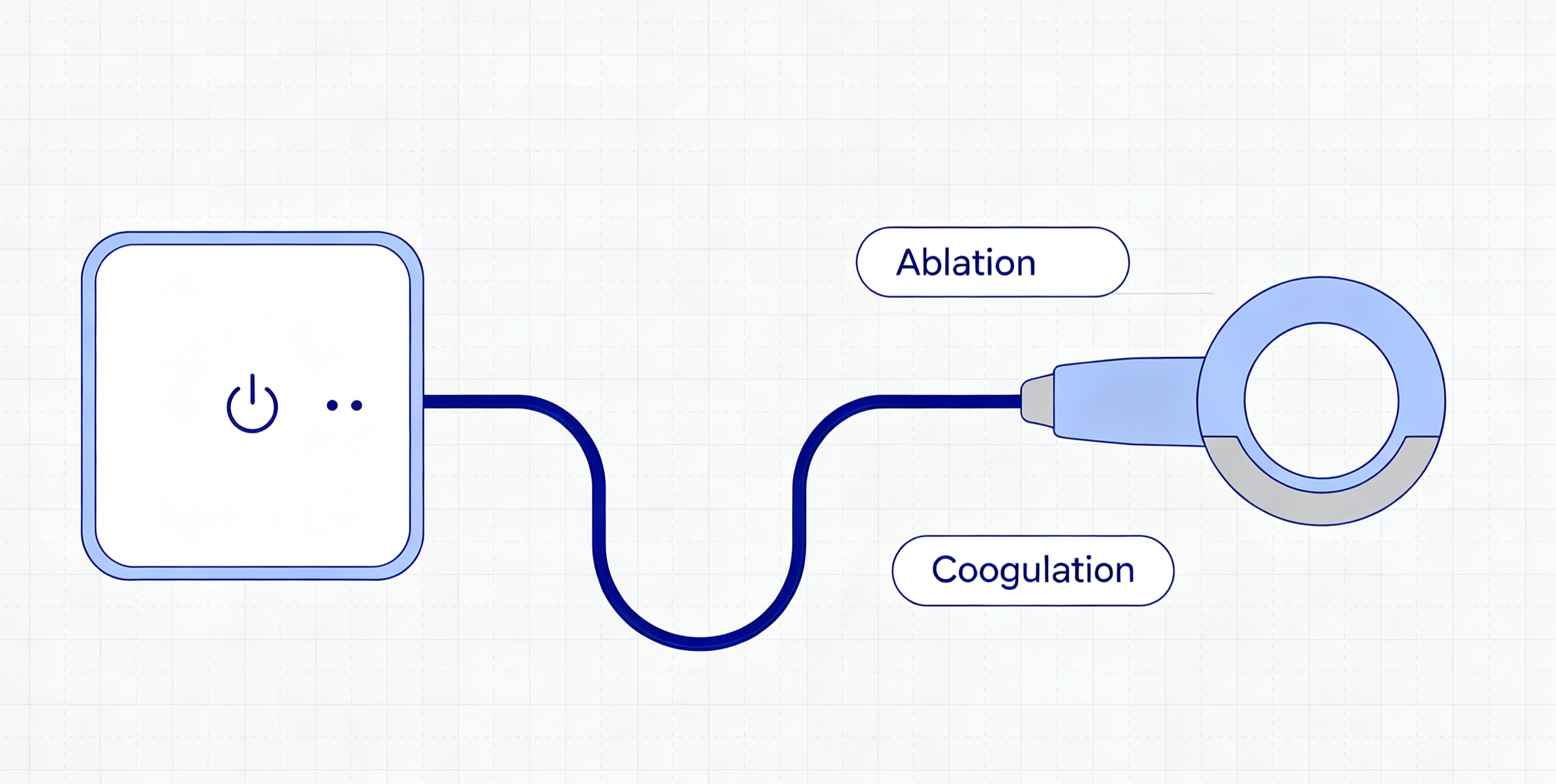
A Coblation wand is a single-use surgical device that uses bipolar radiofrequency (RF) energy in a saline environment to create a plasma field.
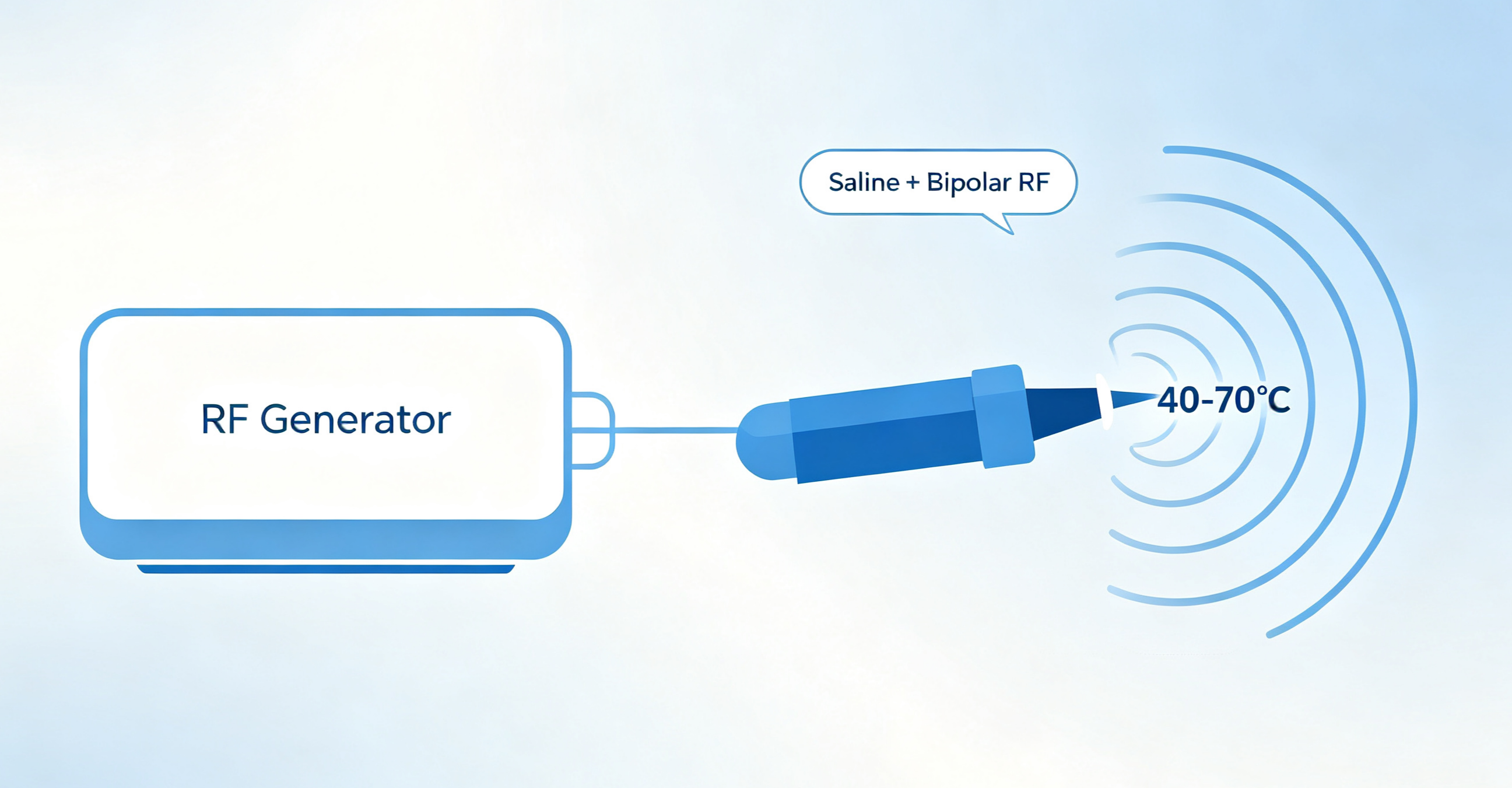
The plasma breaks down tissue at relatively low temperatures, typically around 40°C to 70°C, depending on the device and operating conditions. The wand can also provide coagulation and, in some designs, suction.
Coblation wands are used with a dedicated Coblation generator and are available in different designs for specific procedures.
Common applications include:
· Tonsillectomy and adenoidectomy
· Turbinate reduction
· Soft palate procedures
· Arthroscopic tissue removal
· Selected spine procedures
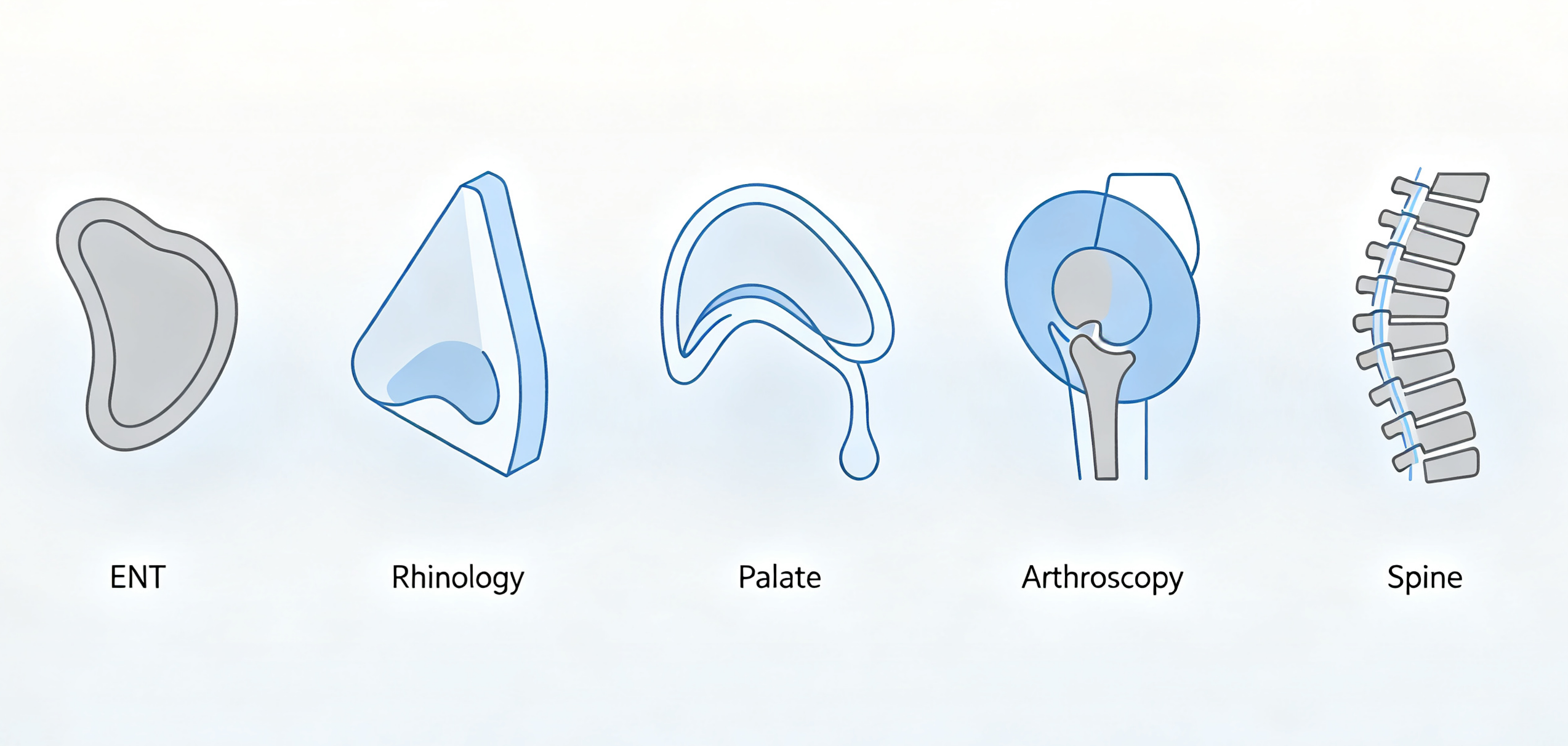
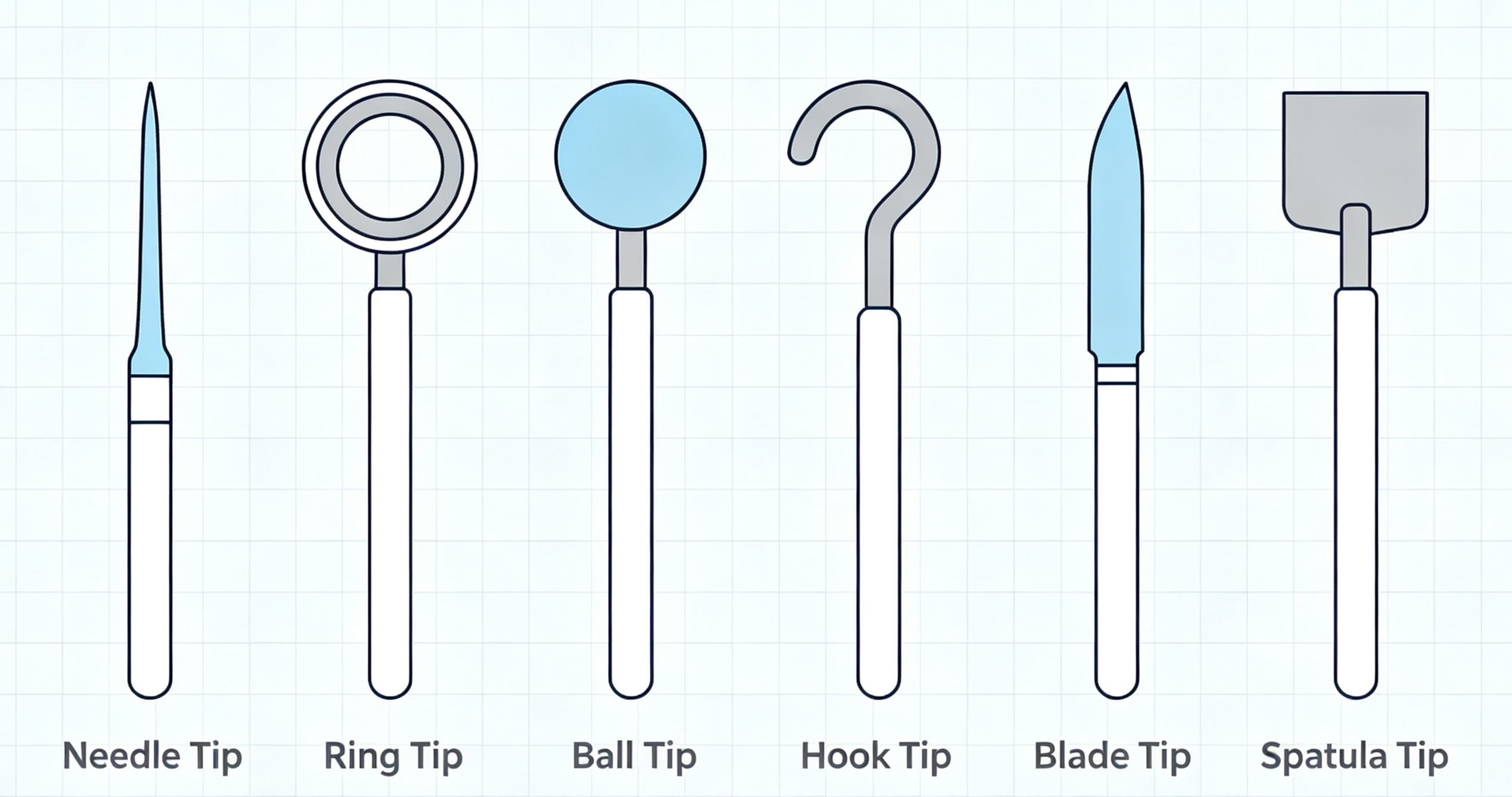
Different wand designs are intended for different surgical sites. For example, some are designed for precise tissue removal, while others provide better access to narrow or difficult-to-reach areas.
What Is a Plasma Surgical Electrode?
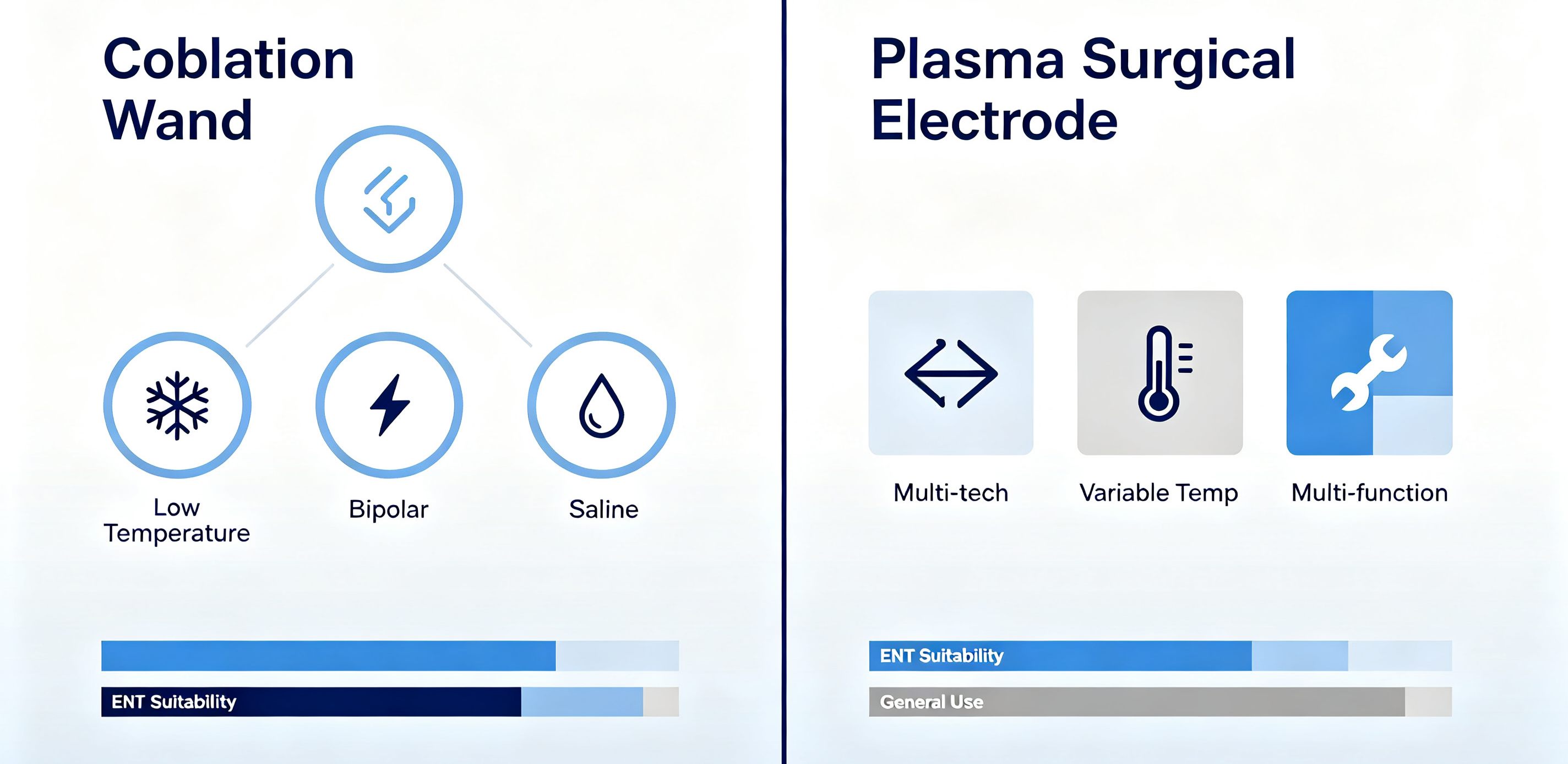
Plasma surgical electrode is a broader term that covers several types of surgical devices using plasma or radiofrequency energy for tissue cutting, ablation, or coagulation.
Different products use different technologies. Some systems use saline as a conductive medium, while others use different methods to generate plasma.
Their operating temperatures, generator requirements, electrode designs, and applications can therefore vary from one device to another.
Plasma surgical electrodes may be used in:
· ENT surgery
· General surgery
· Orthopedic procedures
· Minimally invasive surgery
Because the term covers different technologies and products, specifications should always be checked for the individual device.
Coblation Wand vs Plasma Surgical Electrode
Feature | Coblation Wand | Plasma Surgical Electrode |
Energy | Bipolar RF energy with saline | Depends on the device |
Temperature | Typically around 40–70°C | Device-dependent |
Generator | Usually requires a compatible Coblation generator | Depends on the system |
Designs | Procedure-specific wand designs | Various electrode and handpiece designs |
Ablation | Yes | Yes, depending on device |
Coagulation | Yes | Yes, depending on device |
Main applications | ENT, arthroscopy and selected spine procedures | ENT, general surgery, orthopedics and other procedures |
The key point is that Coblation wand describes a specific type of device and system, while plasma surgical electrode is a broader product category.
Which One Should You Choose?
There is no single answer for every hospital or surgical procedure.
For ENT Surgery
A Coblation wand may be a practical choice when the surgical team regularly performs procedures such as tonsillectomy, adenoidectomy, or turbinate reduction.
The availability of procedure-specific wand designs can also make it easier to select an electrode for a particular surgical application.
For Arthroscopy
Coblation wands are also used in arthroscopic procedures for controlled tissue removal and coagulation.
The choice should depend on the joint, target tissue, surgical technique, and the surgeon's experience.
For Multi-Purpose Surgical Use
A plasma surgical electrode may be worth considering when a hospital needs a broader range of applications or already uses a compatible generator platform.
Before making a purchasing decision, compare the generator, electrode compatibility, consumable cost, clinical applications, and technical support.
What Should Buyers Compare?
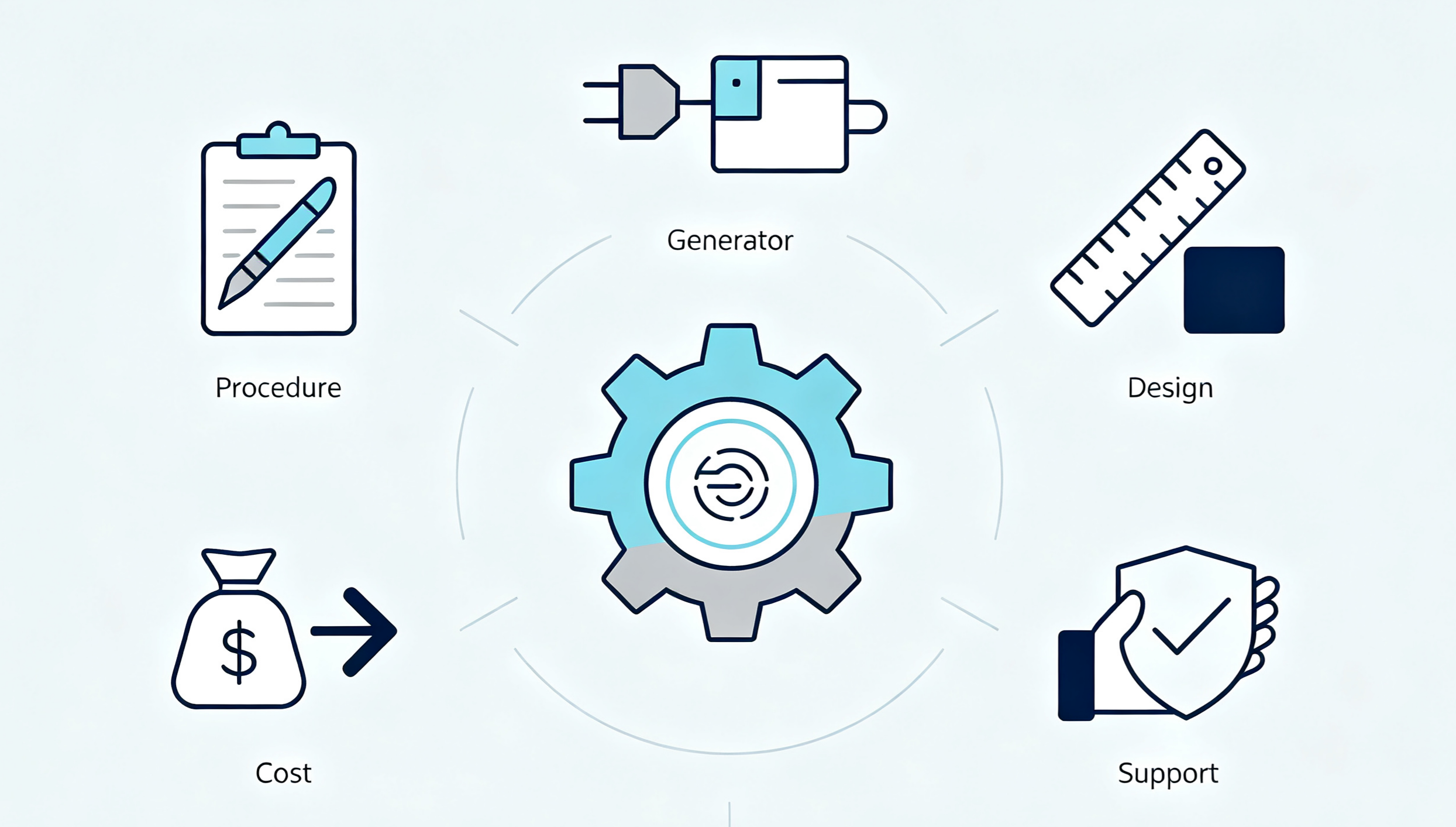
For hospitals and medical device distributors, the most important factors are not only the initial device price.
Consider:
1. Procedure Compatibility
Does the electrode match the procedures your surgical team performs?
2. Generator Compatibility
Check which generator or console is required and whether the electrode can be used with your existing equipment.
3. Electrode Design
Consider the electrode shape, working area, suction function, shaft length, and access to the target tissue.
4. Consumable Cost
Both Coblation wands and many plasma surgical electrodes are single-use products. The cost per procedure can therefore have a significant impact on long-term expenses.
5. Product Supply and Support
For hospitals and distributors, stable supply, technical documentation, training, warranty, and after-sales support are also important.
FAQ
Is a Coblation wand the same as a plasma surgical electrode?
Not exactly. A Coblation wand is a specific type of RF plasma surgical device used with a compatible Coblation system. Plasma surgical electrode is a broader term covering different products and technologies.
Are Coblation wands reusable?
Most Coblation wands are designed for single use. Always follow the manufacturer's instructions for the specific product.
What is the main advantage of Coblation?
Coblation uses RF energy in a saline environment and is designed for controlled tissue ablation at relatively low temperatures. Many systems also provide coagulation during the procedure.
Which is better for ENT surgery?
It depends on the procedure, generator, electrode design, and surgeon preference. For procedures such as tonsillectomy, adenoidectomy, and turbinate reduction, Coblation systems offer a range of dedicated ENT wands.
How should hospitals compare these products?
Look at the complete system rather than the electrode alone. Generator compatibility, electrode selection, cost per procedure, regulatory documentation, supply, and technical support should all be considered.
Conclusion & About Us
Coblation wands and plasma surgical electrodes are related but different. A Coblation wand is designed to work as part of a specific RF plasma system, while plasma surgical electrode is a broader category that includes different technologies and device configurations.
For hospitals and distributors, the right choice depends on the procedures, generator compatibility, electrode design, operating cost, and available support.
Rather than choosing based on the device name alone, compare the complete system and make sure it fits your clinical and purchasing requirements.
Hunan ENT&PAIN is an ISO 13485-certified manufacturer specializing in Coblation wands and RF plasma surgical electrodes for ENT and minimally invasive surgery. We work with hospitals, distributors, and medical device companies worldwide, offering OEM/ODM services, stable supply, and regulatory documentation support. Contact us to discuss your product requirements, private-label projects, or distribution opportunities.

