When sourcing Coblation wands or RF plasma surgical electrodes, buyers often start with one question:
What is the price per piece?
But two quotations can be difficult to compare if the product specifications, order quantities, packaging, documentation, and shipping terms are different.
For distributors and hospital buyers, understanding these differences makes it easier to compare suppliers and calculate the real purchasing cost.
Here are the main factors that affect Coblation wand price.
1. Order Quantity and MOQ
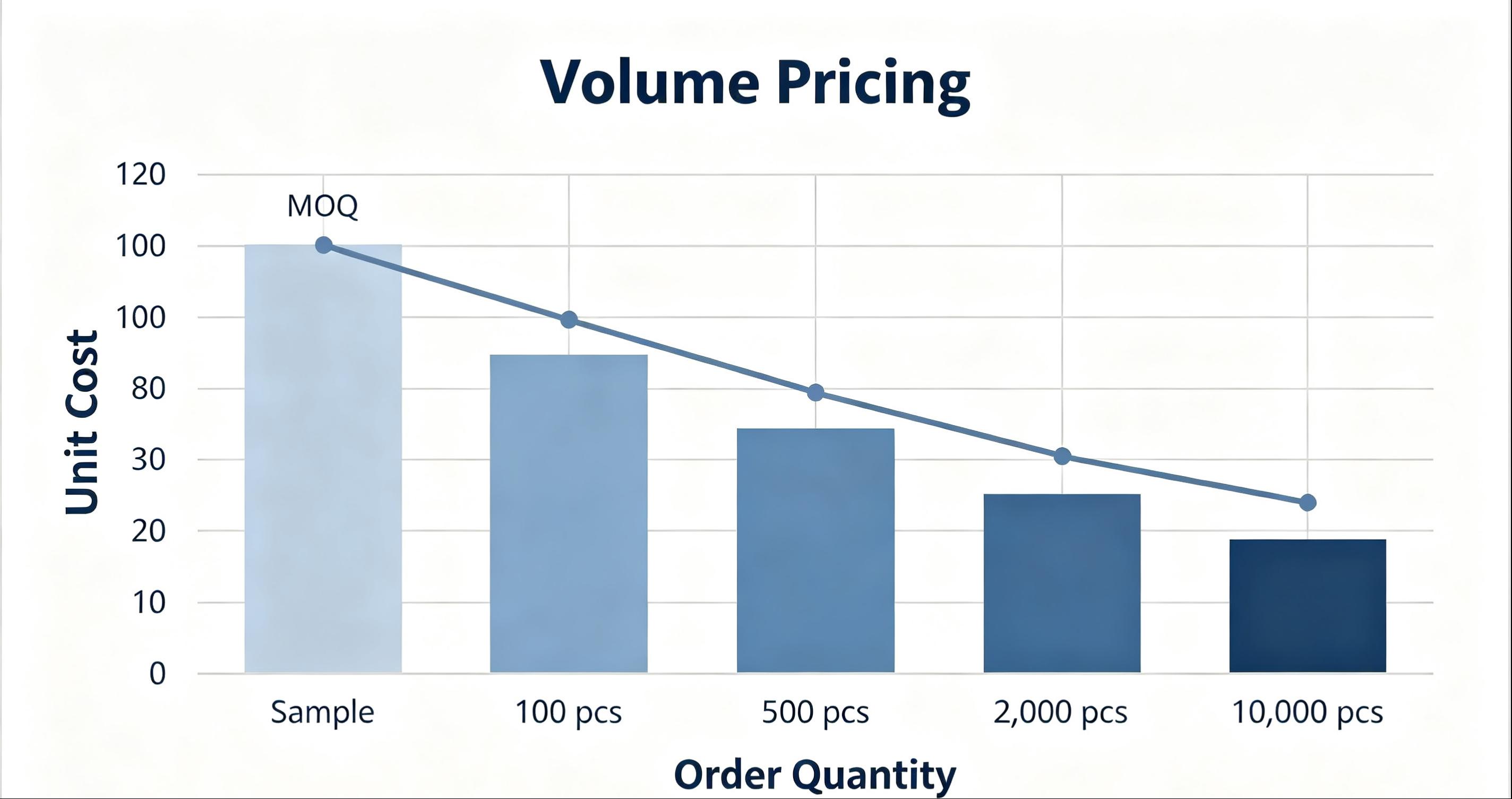
Order quantity is one of the most important factors in pricing.
Sample orders, small commercial orders, and regular volume orders usually have different unit prices. Larger quantities can reduce the cost of production, packaging, and shipping per unit.
Before comparing quotations, ask the supplier about:
· Sample quantity and price
· MOQ
· Volume pricing
· Repeat-order pricing
· Expected lead time
If you are a distributor, providing your estimated annual volume can also help the manufacturer prepare a more relevant quotation.
2. Standard Product, Private Label or OEM
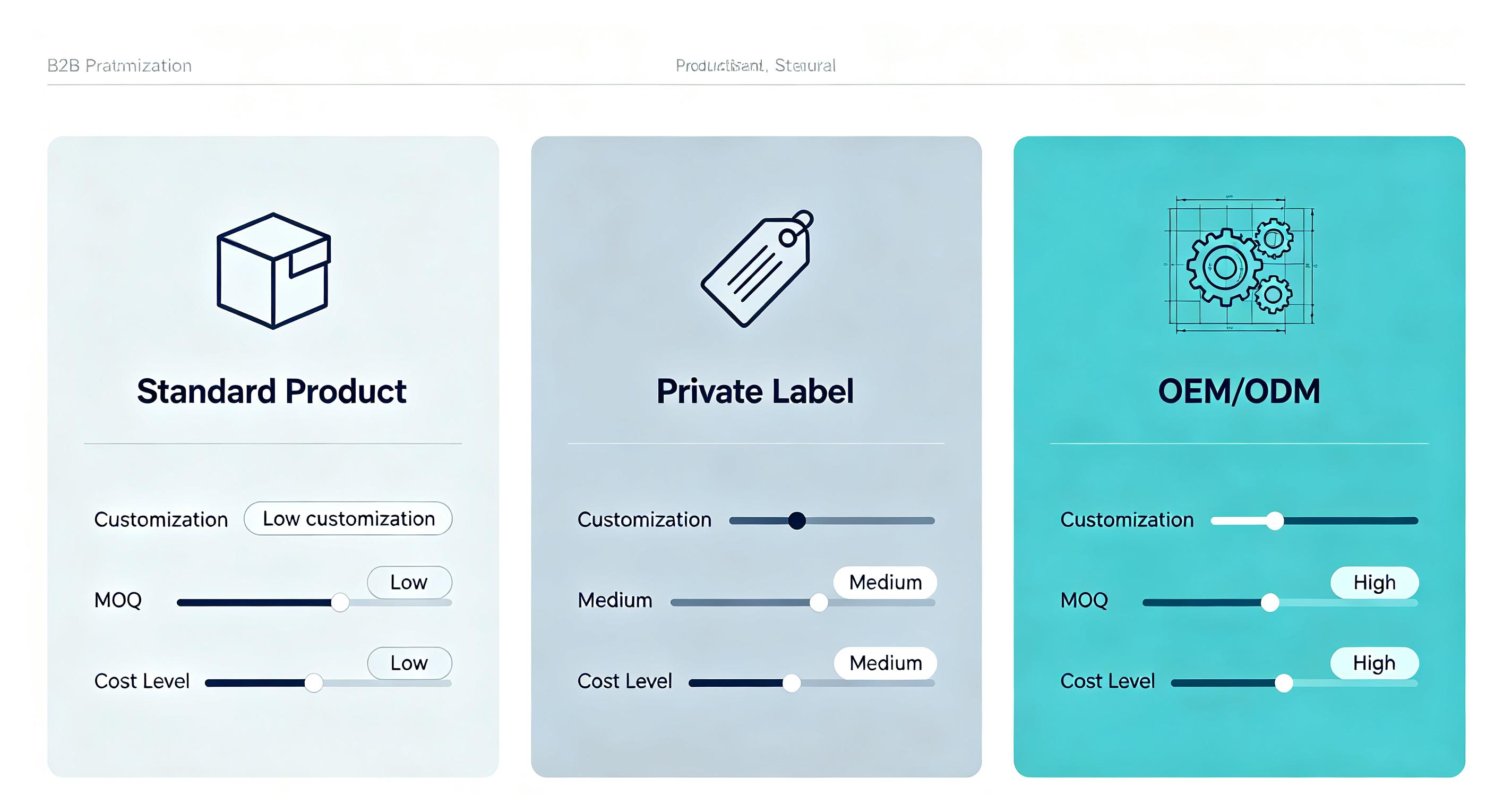
The level of customization also affects cost.
A standard product with existing specifications usually requires less development work.
Private-label projects may include your brand, packaging, labels, and model numbers.
More customized OEM/ODM projects may involve changes to the electrode configuration, shaft, cable, connector, or other product specifications.
Before requesting an OEM quotation, clearly explain what you want to change.
In many cases, starting with an existing product and adding private labeling is simpler than developing a new configuration.
3. Product Specifications
Not all Coblation wands have the same design or cost.
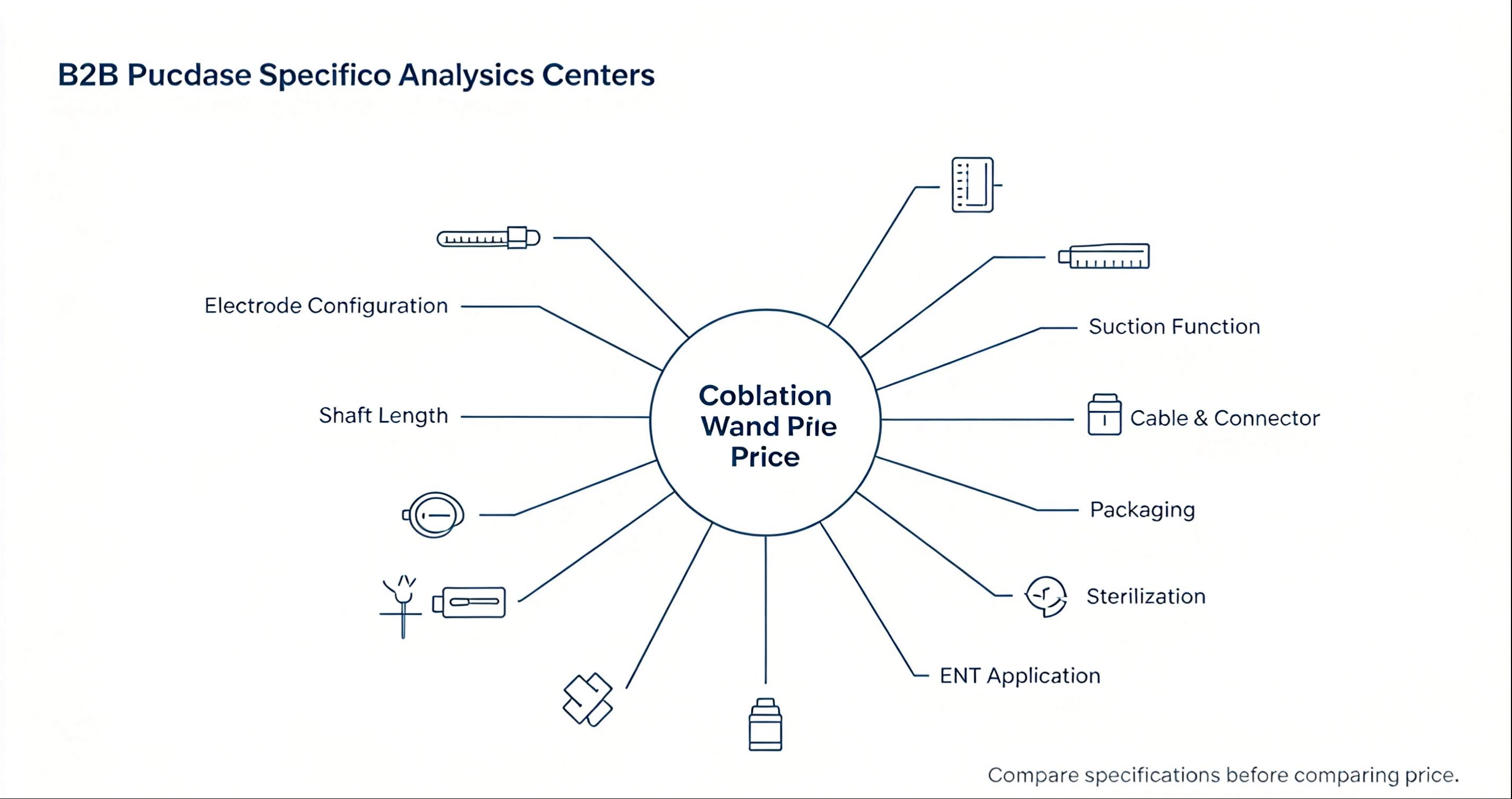
Price may vary depending on:
· Electrode configuration
· Shaft length and design
· Suction function
· Cable and connector
· Packaging
· Sterilization requirements
· Intended ENT application
A wand for tonsil and adenoid procedures may have different requirements from an electrode designed for turbinate reduction or another ENT application.
This is why comparing two products only by unit price can be misleading.
When requesting a quotation, provide the generator model and current electrode model whenever possible.
4. Quality and Documentation
For medical devices, the lowest quotation is not always the lowest purchasing cost.
Quality management, product testing, sterilization, traceability, and documentation all contribute to manufacturing cost.
Depending on the product and target market, buyers may need:
· Product specifications
· Quality certificates
· Test information
· Biocompatibility information
· Sterilization documentation
· Shelf-life information
· Labeling and IFU
· Batch traceability
· Available market-specific regulatory documentation
Tell the supplier your target country before placing an order.

This allows both sides to confirm what documentation is available and whether additional requirements need to be considered.
5. Packaging, Shipping and Trade Terms
The factory price is only part of the total purchasing cost.
Buyers should also consider:
· Individual sterile packaging
· Carton quantity
· Private-label packaging
· Freight
· Import duties and taxes
· Insurance
· Incoterms
· Payment terms
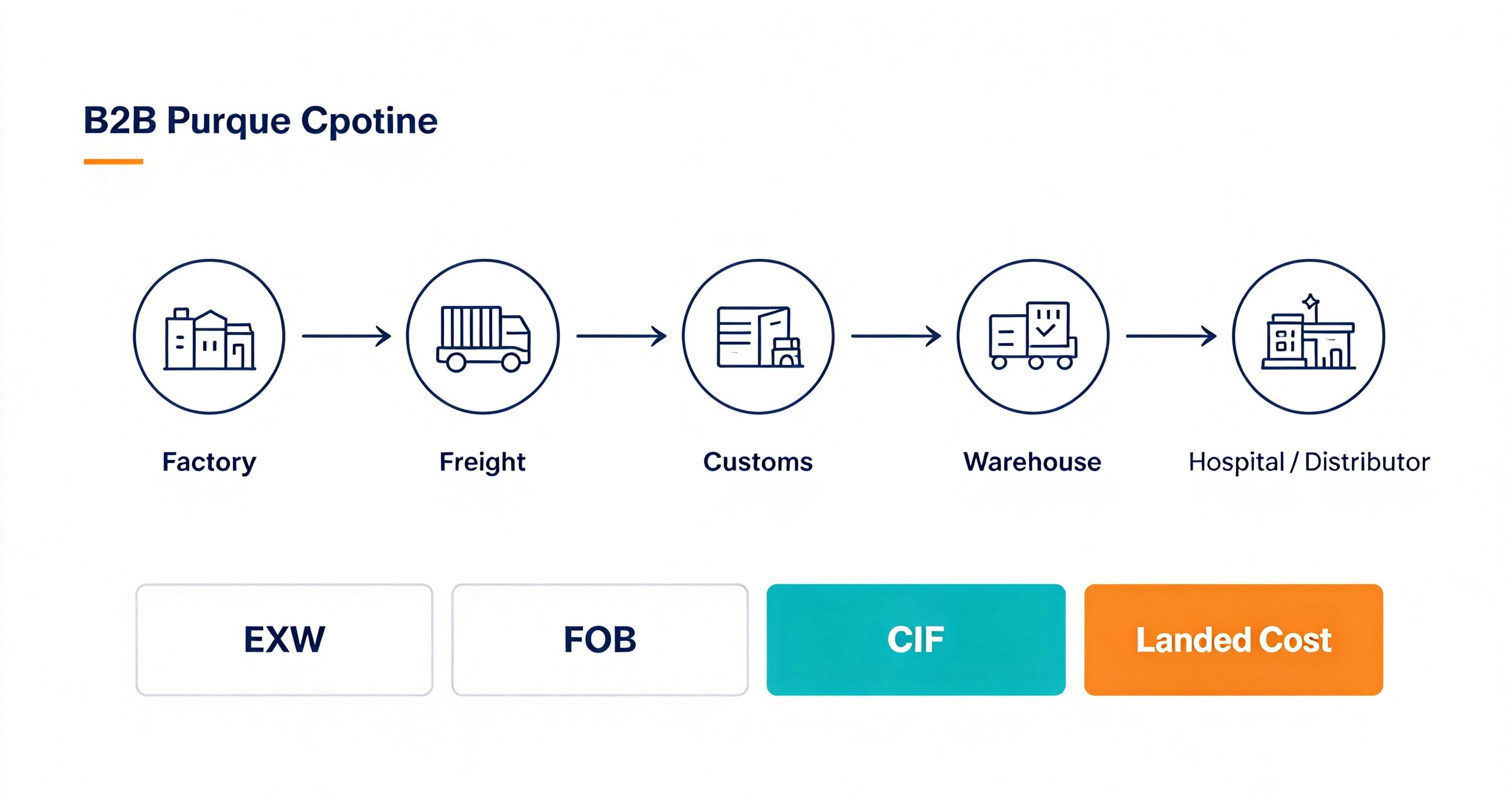
When comparing suppliers, make sure the quotations use the same trade terms.
For example, an EXW quotation should not be compared directly with a CIF quotation without considering the additional logistics costs.
For international distributors, it is often more useful to calculate the landed cost rather than looking only at the unit price.
How to Request a More Accurate Coblation Wand Quotation
Instead of asking only:
“What is your Coblation wand price?”
provide the supplier with:
Information | Why It Matters |
Generator model | Helps confirm compatibility |
Current electrode model or photo | Identifies the product required |
Surgical application | Helps select the correct configuration |
Quantity | Determines the appropriate price level |
Target country | Helps review documentation requirements |
OEM requirements | Affects packaging and customization |
Shipping destination | Helps estimate logistics options |
With this information, the supplier can provide a quotation that is much easier to evaluate.
Frequently Asked Questions
Can I get a sample before placing a bulk order?
Sample availability depends on the product. For a new supplier or alternative product, sample evaluation is recommended before moving to a commercial order.
Does OEM packaging increase the price?
It can. The cost depends on packaging design, printing quantity, labeling requirements, and other customization.
Can I get better pricing for regular orders?
Pricing normally depends on product specifications, quantity, and purchasing plan. If you have expected annual demand, provide it when requesting a quotation.
Can you quote for an electrode I currently purchase?
Yes. Send the model number, specifications, or clear product photos, together with your generator model and estimated quantity.
Request a Coblation Wand Quotation
Hunan ENT&PAIN is an ISO 13485-certified medical device manufacturer focused on ENT surgical devices, including Coblation wands and RF plasma surgical electrodes.
We work with international distributors, importers, hospitals, and medical device companies and support selected OEM/ODM and private-label projects.
For a quotation, send us:
Generator model
Current electrode model or photos
Surgical application
Target country
Required quantity
OEM/private-label requirements, if any
We can review the product requirements, available documentation, MOQ, samples, and pricing.
Already purchasing a similar Coblation wand? Send us the model number or product photos. We can review it and discuss available options.

