

Coblation Tonsillectomy vs Electrocautery: Why Many Surgeons Prefer a Lower-Temperature Approach
A tonsillectomy is one of the most common ENT procedures performed in children and adults. However, many patients still remember the surgery as a painful experience involving days of severe throat pain, difficulty eating, and concerns about bleeding.
Modern tonsil surgery has changed significantly. Today, surgeons have several techniques available, including traditional cold steel removal, electrocautery, and coblation tonsillectomy.
Among these options, coblation tonsillectomy uses a lower-temperature technology designed to remove tonsil tissue while reducing heat damage to surrounding areas. Research suggests it may offer benefits such as less postoperative pain, reduced bleeding during surgery, and a quicker return to normal activities compared with some traditional techniques.
But how does coblation compare with electrocautery, and is it the right option for every patient?
Let’s take a closer look.

What Is Coblation Tonsillectomy?
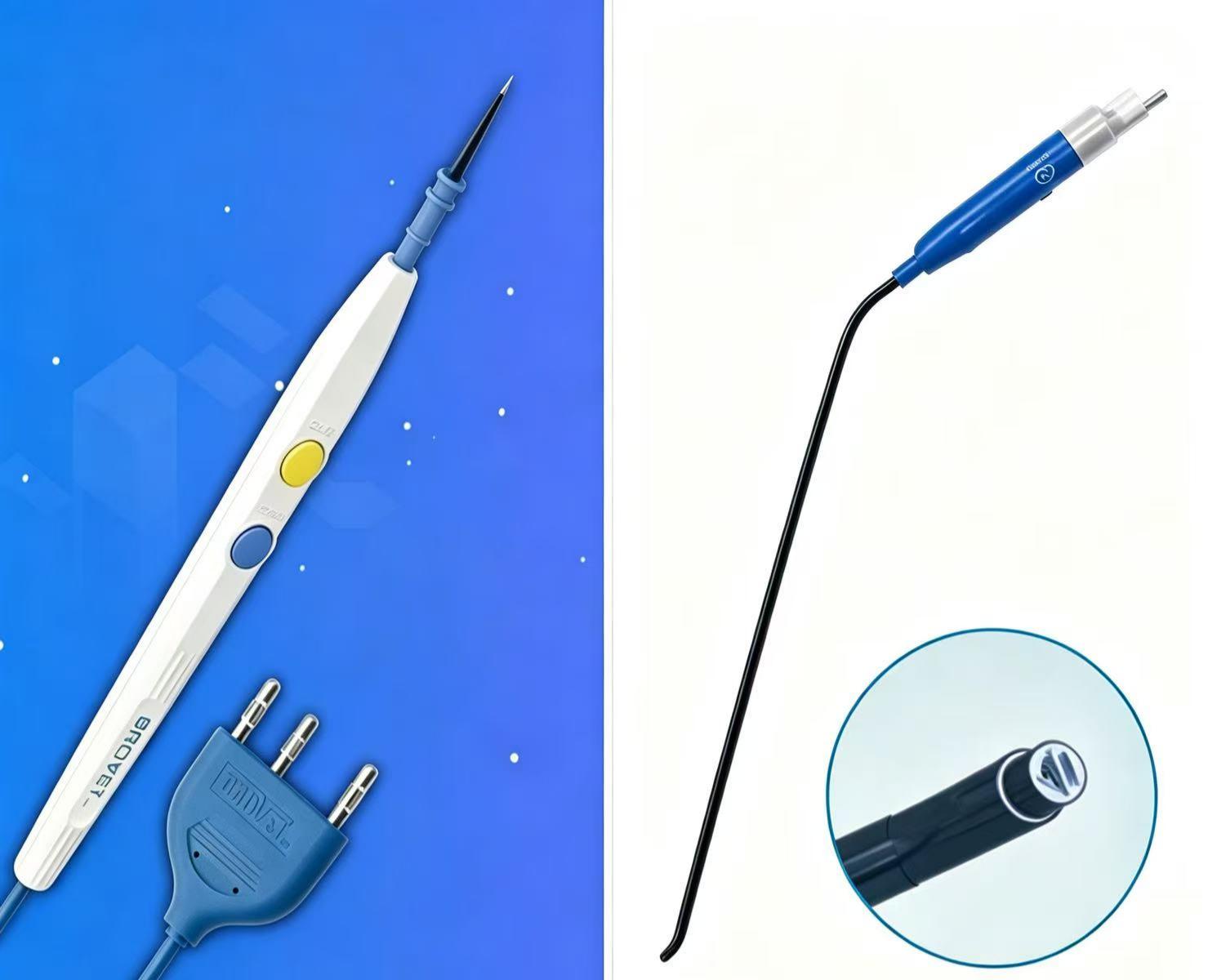
Coblation tonsillectomy is an advanced surgical technique that uses radiofrequency energy and saline solution to create a plasma field. This plasma field breaks down tissue at relatively low temperatures, usually around 40–70°C.
Unlike electrocautery, which relies on high heat to cut and seal tissue, coblation works with minimal thermal damage to nearby structures.
The goal is simple:
• Remove the tonsils effectively
• Control bleeding during surgery
• Reduce damage to surrounding tissue
• Improve postoperative comfort and recovery
Coblation can also be used for intracapsular tonsillectomy, where most of the tonsil tissue is removed while leaving a thin protective layer over the muscle underneath.

Coblation vs Electrocautery: What Is the Difference?

Electrocautery Tonsillectomy
Electrocautery has been widely used for decades and remains a common technique.
During electrocautery surgery, an electrical current generates heat (often several hundred degrees Celsius) to cut tissue and seal blood vessels at the same time.
Advantages:
• Effective bleeding control
• Widely available
• Familiar technique for many surgeons
Potential disadvantages:
• Higher temperatures can cause more tissue injury
• Increased inflammation around the surgical area
• Some patients experience more postoperative pain

Coblation Tonsillectomy
Coblation uses much lower temperatures compared with electrocautery.
Instead of burning tissue, it uses plasma energy to separate tissue layers while limiting heat exposure.
Potential advantages:
• Less thermal damage
• Reduced postoperative discomfort
• Faster return to eating and daily activities
• Less need for strong pain medication in some patients

What Does Research Say About Coblation Tonsillectomy Recovery?
Several studies have compared coblation with electrocautery, particularly in pediatric tonsil surgery.
1. Less Postoperative Pain
Pain after tonsillectomy happens because the throat requires time to heal after tissue removal.
Research comparing coblation and electrocautery has found that some patients experience fewer days of severe pain with coblation.
For example:
• One study reported severe pain lasting approximately 2 days with coblation compared with nearly 4 days with electrocautery.
• Another study found fewer severe-pain days among coblation patients.
Pain levels can vary depending on age, surgical technique, pain management, and individual healing patterns.

2. Reduced Bleeding During Surgery
Bleeding control is one of the most important considerations during tonsil removal.
Because coblation operates at a lower temperature than electrocautery, it may reduce unnecessary thermal injury to surrounding tissue.
Studies have shown that coblation can significantly reduce intraoperative blood loss compared with traditional cautery techniques.
However, delayed bleeding after surgery remains a possible complication with any tonsillectomy method.

3. Faster Return to Normal Activities
Recovery time is an important concern, especially for children returning to school.
Some studies suggest coblation patients:
• Resume normal diets sooner
• Require fewer days away from school
• Experience an easier recovery period
In some research, children returned to school within several days after coblation surgery, while traditional recovery periods may last longer.
Actual recovery depends on age, overall health, pain control, and surgical factors.


Is Intracapsular Coblation Tonsillectomy Better?
Intracapsular tonsillectomy is a variation of tonsil surgery where the surgeon removes most of the tonsil tissue but leaves a small protective layer.
This approach may provide additional benefits:
• Less exposed tissue after surgery
• Lower postoperative pain
• Reduced bleeding risk
• Faster recovery
• Less dependence on opioid pain medication
It is commonly considered for children with conditions such as:
• Enlarged tonsils causing sleep apnea
• Breathing problems during sleep
• Recurrent tonsil-related symptoms
However, intracapsular surgery may not be suitable for every patient, especially those with certain infections or medical concerns.
Your ENT specialist can help determine the best approach.

Does Coblation Tonsillectomy Cost More?
Coblation equipment may increase the surgical cost because the procedure requires specialized disposable instruments.
Some studies estimate:
• Coblation wand cost: approximately $185–$200 per procedure
• Total procedure cost: around $715 for coblation compared with about $620 for electrocautery
However, the overall healthcare cost may be influenced by:
• Recovery time
• Pain medication requirements
• Emergency room visits
• Time away from school or work
A slightly higher surgical cost may be balanced by easier recovery for some patients.

Are There Any Risks With Coblation Tonsillectomy?
Like any surgical procedure, coblation tonsillectomy has potential risks.
Possible complications include:
• Postoperative bleeding
• Infection
• Throat pain during healing
• Dehydration due to difficulty drinking
Some studies have reported slightly different bleeding rates between surgical techniques, but overall evidence does not show a major disadvantage compared with electrocautery.
The surgeon’s experience and surgical technique remain among the most important factors affecting outcomes.

Questions to Ask Your ENT Surgeon Before Tonsil Surgery

Before scheduling a tonsillectomy, consider asking:
“Do you perform coblation tonsillectomy or electrocautery?”
“Are you experienced with intracapsular tonsil removal?”
“What are your personal bleeding and complication rates?”
“Which technique do you recommend for my specific condition, and why?”
Choosing the right surgeon and understanding your options are just as important as choosing the technology.

Final Thoughts: Is Coblation the Future of Tonsil Surgery?
Coblation tonsillectomy represents a significant advancement in ENT surgery by using lower temperatures to remove tissue while limiting surrounding damage.
Compared with traditional electrocautery, research suggests coblation may offer:
✓ Less postoperative pain for many patients
✓ Reduced bleeding during surgery
✓ Faster return to normal activities
✓ Easier recovery, especially for children
For patients undergoing tonsil surgery, understanding available techniques can help you have a more informed conversation with your ENT specialist.
The best surgical approach depends on your health condition, anatomy, and your surgeon’s expertise.

Frequently Asked Questions (FAQ)
Is coblation tonsillectomy less painful than electrocautery?
Many studies suggest coblation may reduce postoperative pain compared with electrocautery, although individual recovery experiences vary.
How long does recovery take after coblation tonsillectomy?
Most patients recover within 1–2 weeks, with many children returning to school after several days depending on pain levels and healing.
Is coblation tonsillectomy safer for children?
Coblation is commonly used in pediatric ENT surgery and may provide benefits such as reduced pain and faster recovery, but the best option depends on the child’s specific condition.
What is the difference between intracapsular and traditional tonsillectomy?
Traditional tonsillectomy removes the entire tonsil, while intracapsular tonsillectomy removes most of the tonsil tissue while leaving a thin protective layer.