

Coblation System: Components, Applications and How to Choose the Right System
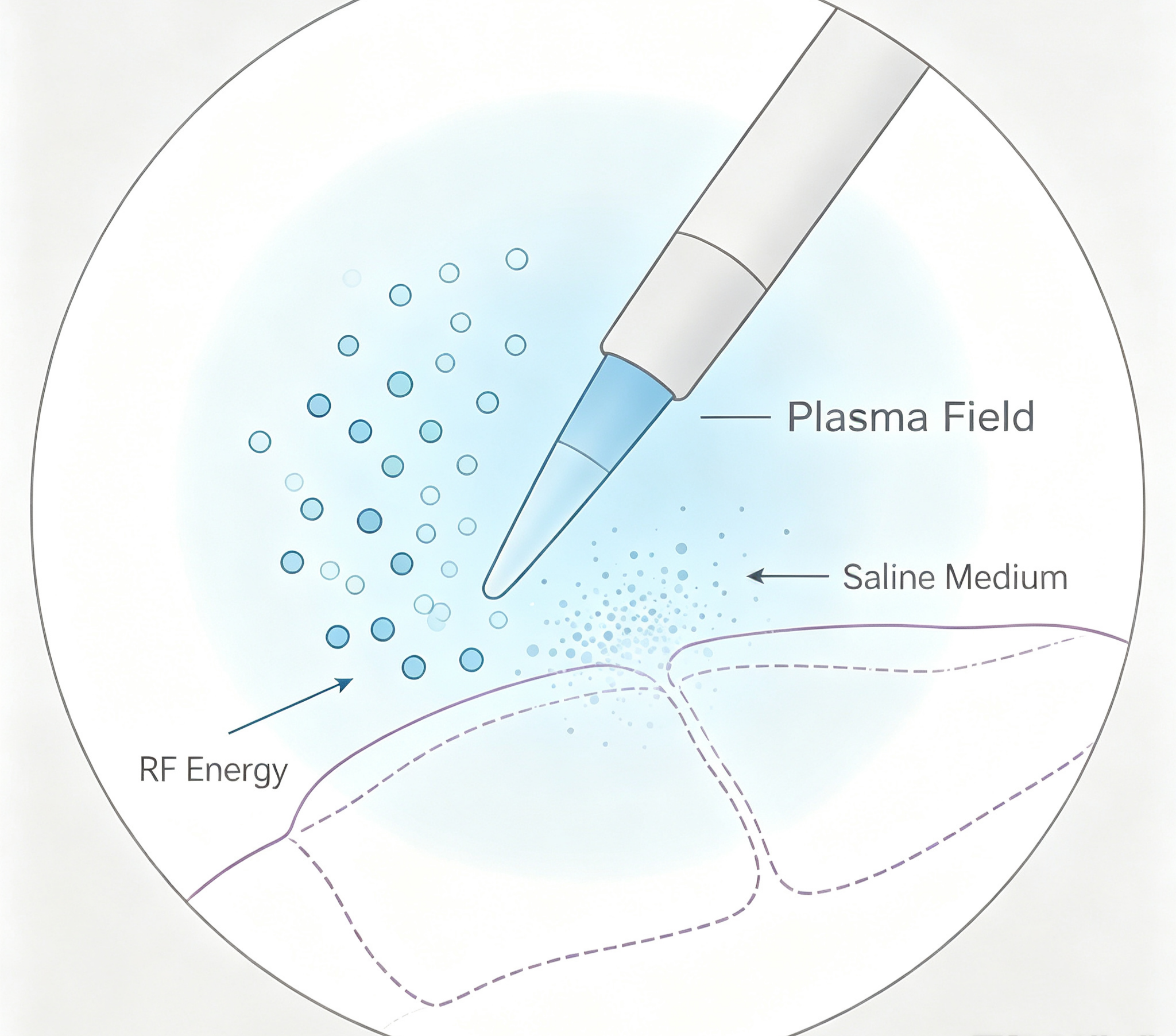
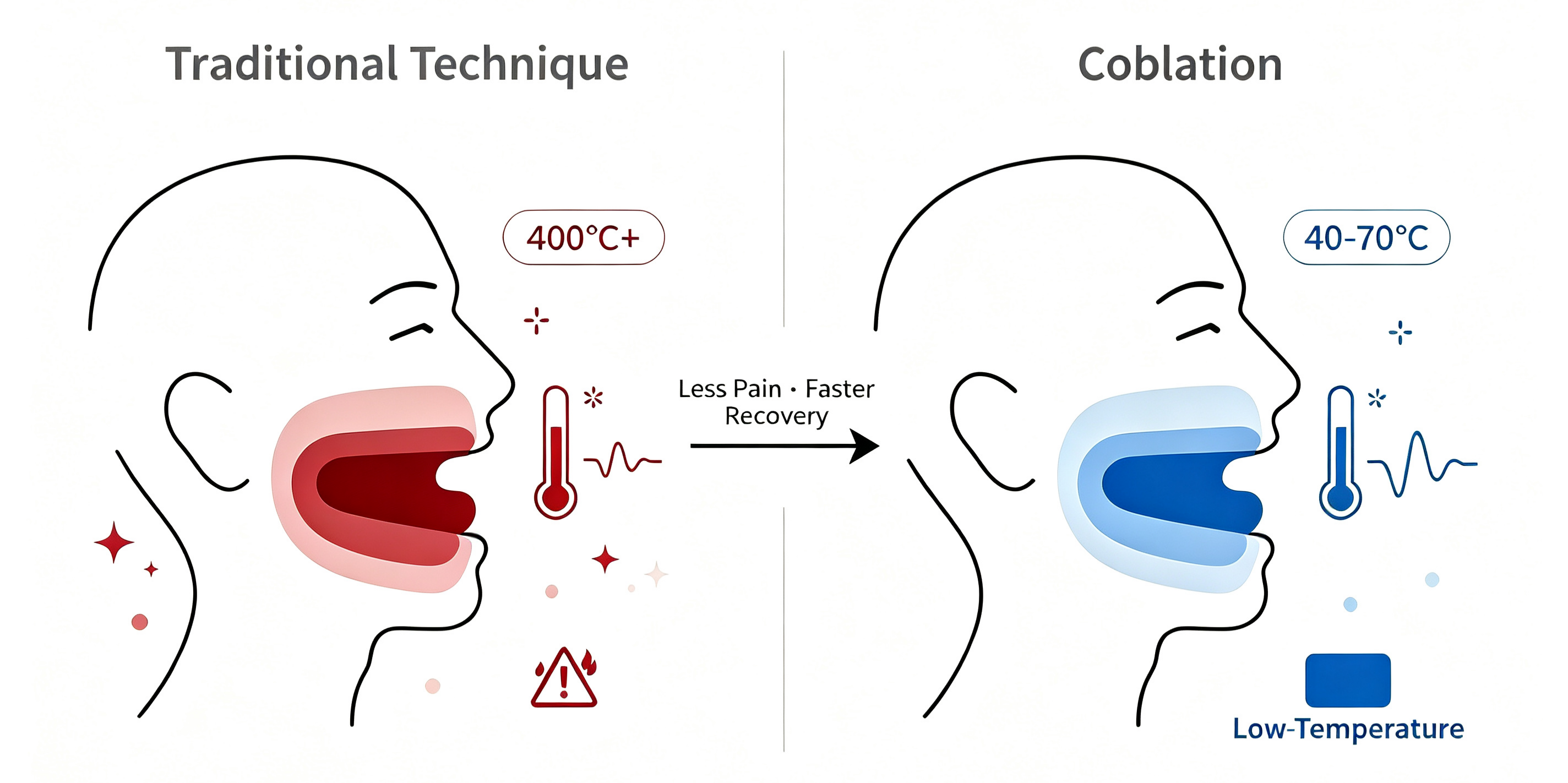
A Coblation system uses radiofrequency energy and saline to remove targeted tissue at relatively low temperatures, typically around 40°C to 70°C. Unlike conventional electrosurgery, Coblation is designed to limit thermal damage to surrounding tissue while providing tissue ablation and coagulation.
Coblation technology is widely used in ENT surgery, including tonsillectomy, turbinate reduction, soft palate procedures, and other minimally invasive treatments.
This guide covers the main components of a Coblation system, common ENT applications, and the key factors to consider when choosing a system.
What Is a Coblation System?
A typical Coblation system includes four main components:
· Generator
· Coblation wand or electrode
· Saline irrigation and suction system
· Footswitch and cables
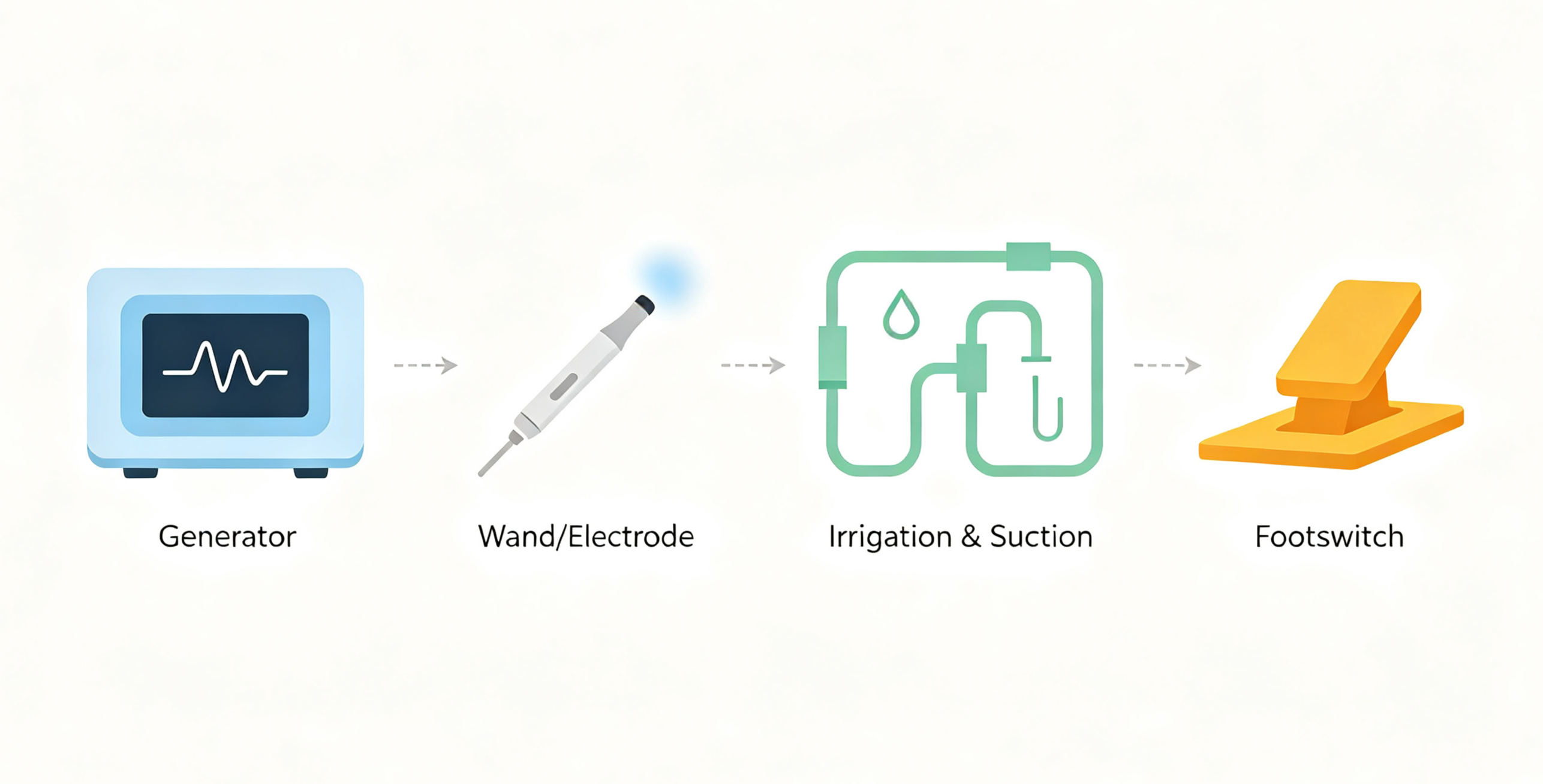
The generator delivers radiofrequency energy to the electrode. In the presence of saline, the energy creates a plasma field around the electrode, allowing the surgeon to remove targeted tissue and control bleeding.
Core Components of a Coblation System
1. Generator
The generator is the main control unit. It regulates radiofrequency energy and provides different settings for tissue ablation and coagulation.
When choosing a Coblator ENT system, check whether the generator supports the procedures and electrodes commonly used in your ENT department.
2. Coblation Wands and Electrodes
The Coblation wand delivers energy directly to the surgical site.
Different wands are designed for different procedures. Their size, electrode configuration, suction, and coagulation functions can affect tissue removal and bleeding control.
For this reason, the available electrode range is an important part of choosing a Coblation system.
3. Irrigation and Suction
Coblation uses saline as a conductive medium. The irrigation system delivers saline to the treatment area, while suction removes fluid, blood, and tissue debris.
A stable irrigation and suction system helps maintain a clear surgical field during the procedure.
4. Footswitch and Cables
Many Coblation systems use a footswitch to control ablation and coagulation. Reliable cables and connectors are also important for stable operation.
Coblation Applications in ENT Surgery
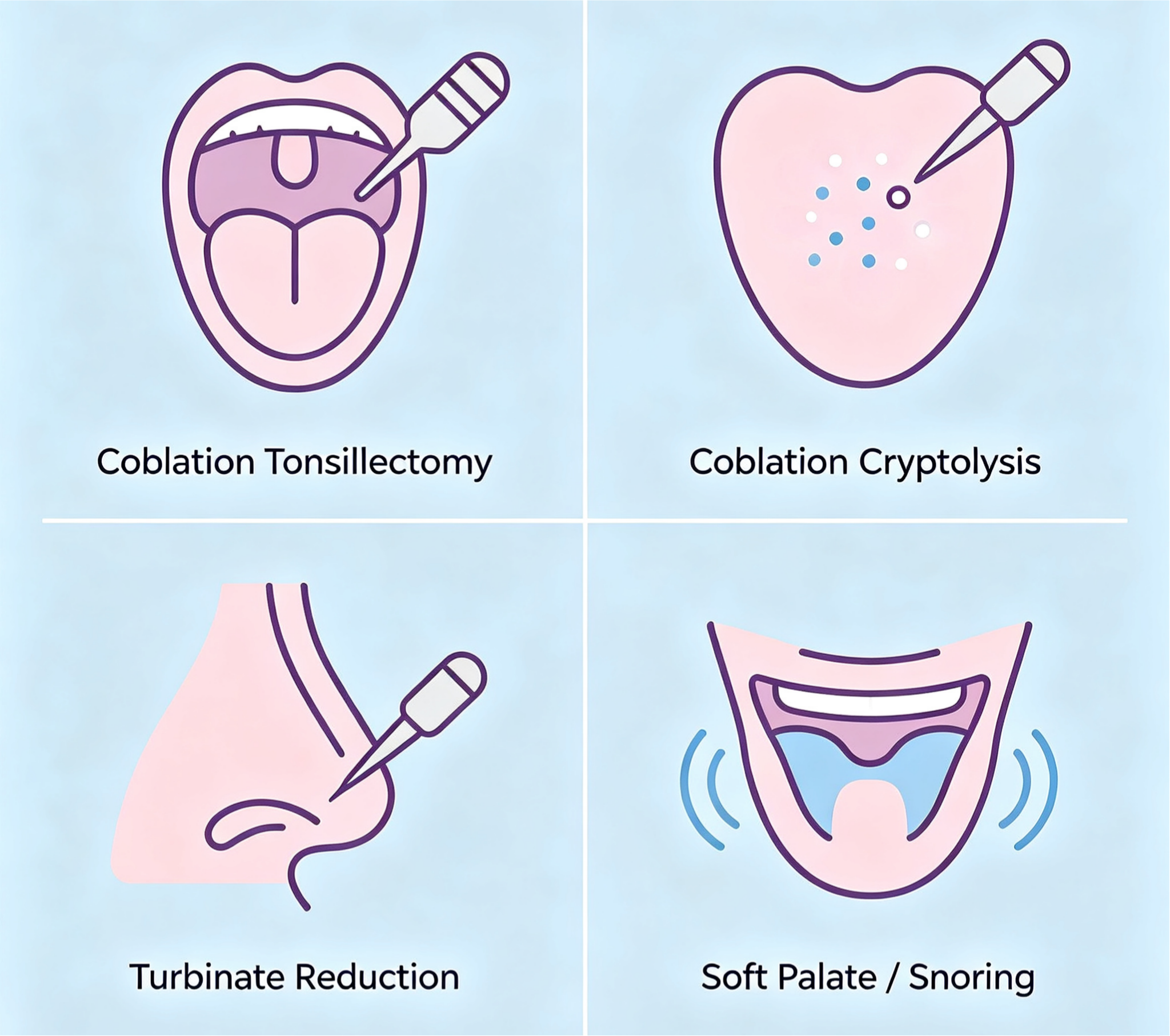
Coblation has several applications in ENT, with tonsil surgery and nasal airway procedures among the most common.
Coblation Tonsillectomy
Coblation tonsillectomy is one of the best-known applications of Coblation technology.
Compared with cold steel dissection and conventional electrocautery, Coblation uses relatively low temperatures to remove tonsillar tissue while providing coagulation.
Clinical studies have reported potential benefits such as reduced postoperative pain and faster recovery, although outcomes vary by patient and surgical technique.
Tonsil Ablation
Tonsil ablation or partial tonsillectomy may be considered for selected patients who need a reduction in tonsil size rather than complete tonsil removal.
Coblation allows the surgeon to reduce targeted tonsillar tissue while preserving part of the tonsil.
Coblation Cryptolysis
Coblation cryptolysis is a tissue-sparing procedure used to treat problematic tonsil crypts.
Tonsil crypts can collect food particles, mucus, and debris and may contribute to chronic halitosis or tonsil discomfort. During the procedure, a Coblation wand is used to treat the targeted crypt tissue rather than removing the entire tonsil.
Recovery is generally shorter than after complete tonsillectomy, but patient selection remains important.
Turbinate Reduction
Coblation can also be used for inferior turbinate reduction in patients with nasal obstruction caused by turbinate hypertrophy.
The technique allows the surgeon to reduce targeted submucosal tissue while preserving the nasal mucosal surface.
Snoring and Sleep Apnea
Coblation radiofrequency technology can be used to reduce selected areas of excess tissue in patients with snoring or obstructive sleep apnea.
Depending on the patient's anatomy, treatment may involve the soft palate, uvula, tonsils, or tongue base.
How to Choose a Coblation System
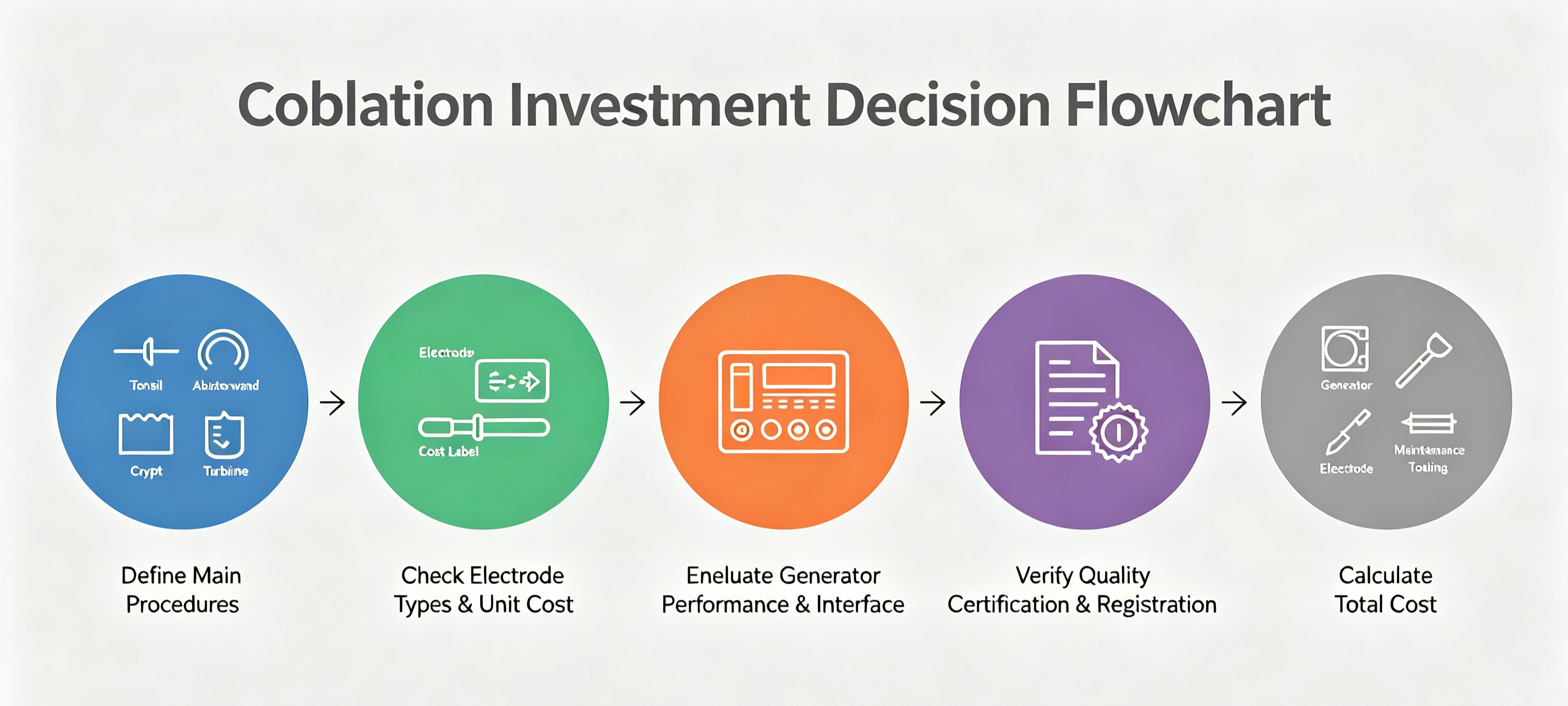
For hospitals and surgical centers, choosing a Coblation system involves more than comparing generator prices.
1. Consider Your Main Procedures
Start with the procedures performed most often.
For an ENT department, these may include:
· Coblation tonsillectomy
· Tonsil ablation
· Coblation cryptolysis
· Turbinate reduction
· Soft palate procedures
Choose a system with electrodes that cover the procedures you perform.
2. Check Electrode Selection and Cost
Coblation electrodes and wands are generally single-use consumables. Their cost can therefore have a major impact on long-term operating expenses.
Check:
· Available electrode types
· Electrode sizes
· Procedure compatibility
· Cost per procedure
· Local availability
· Volume pricing
3. Evaluate the Generator
Important factors include:
· Power output
· Ablation and coagulation modes
· User interface
· System alarms
· Footswitch control
· Electrode compatibility
The system should be easy for the surgical team to operate and suitable for the procedures performed in the department.
4. Review Quality and Regulatory Requirements
Before purchasing, review:
· Product specifications
· Quality management certification
· Applicable regulatory approvals
· Sterilization information
· Packaging and labeling
· Technical documentation
For international buyers, confirm that the supplier can provide the documents required for local registration and import.
5. Consider Technical Support
A reliable supplier should provide appropriate product support, including:
· Product training
· Technical assistance
· Warranty
· Spare parts
· Electrode supply
· Product documentation
For hospitals and distributors, long-term support can be as important as the initial purchase price.
6. Compare Total Cost
The total cost of a Coblation system includes more than the generator.
Consider:
Generator + electrodes + accessories + maintenance + training + technical support
A system with a lower initial price may not always have the lowest long-term cost.
FAQ About Coblation Systems
What is a Coblation system?
A Coblation system uses radiofrequency energy, saline, and a specialized electrode to remove or ablate targeted tissue while providing coagulation.
What is a Coblation wand?
A Coblation wand is a surgical handpiece with an electrode at its tip. It delivers radiofrequency energy to the treatment site and may also provide suction and coagulation.
What is the difference between Coblation and electrosurgery?
Coblation uses radiofrequency energy in a saline environment to create a plasma field around the electrode. Conventional electrosurgery primarily relies on thermal energy to cut or coagulate tissue.
How do I choose a Coblation electrode?
Choose an electrode based on the procedure, target tissue, surgical access, and required ablation and coagulation functions. Cost, compatibility, and supply should also be considered.
Can Coblation be used for ENT surgery?
Yes. Coblation is commonly used in ENT procedures such as tonsillectomy, tonsil ablation, cryptolysis, turbinate reduction, and selected procedures for snoring and sleep apnea.
Conclusion
A Coblation system combines a radiofrequency generator, surgical electrodes or wands, saline irrigation, suction, and control accessories to provide controlled tissue ablation and coagulation.
In ENT surgery, common applications include coblation tonsillectomy, tonsil ablation, coblation cryptolysis, and turbinate reduction.
When choosing a Coblator ENT or ENT Coblator system, buyers should consider the generator, electrode selection, consumable costs, regulatory documentation, and technical support.
For hospitals, distributors, and medical device partners, evaluating the complete system and its long-term operating costs can help identify the right solution for their clinical needs.