

Coblation in Minimally Invasive Surgery: Applications in Orthopedic Arthroscopy and ENT Procedures
Coblation (cold ablation) has become an important technology in minimally invasive surgery, especially in orthopedic arthroscopy and ear, nose, and throat (ENT) procedures.
By combining precise tissue ablation with effective coagulation at relatively low temperatures, Coblation allows surgeons to remove targeted tissue while minimizing damage to surrounding structures. Compared with traditional electrosurgery, Coblation provides improved surgical precision, reduced thermal injury, less postoperative discomfort, and faster recovery for many patients.
Today, Coblation is widely used in procedures ranging from knee arthroscopy and cartilage treatment to tonsillectomy, adenoidectomy, turbinate reduction, and other ENT surgeries.
This article explains the working principles of Coblation, its major clinical applications, advantages compared with conventional techniques, and frequently asked questions.
1. What Is Coblation?
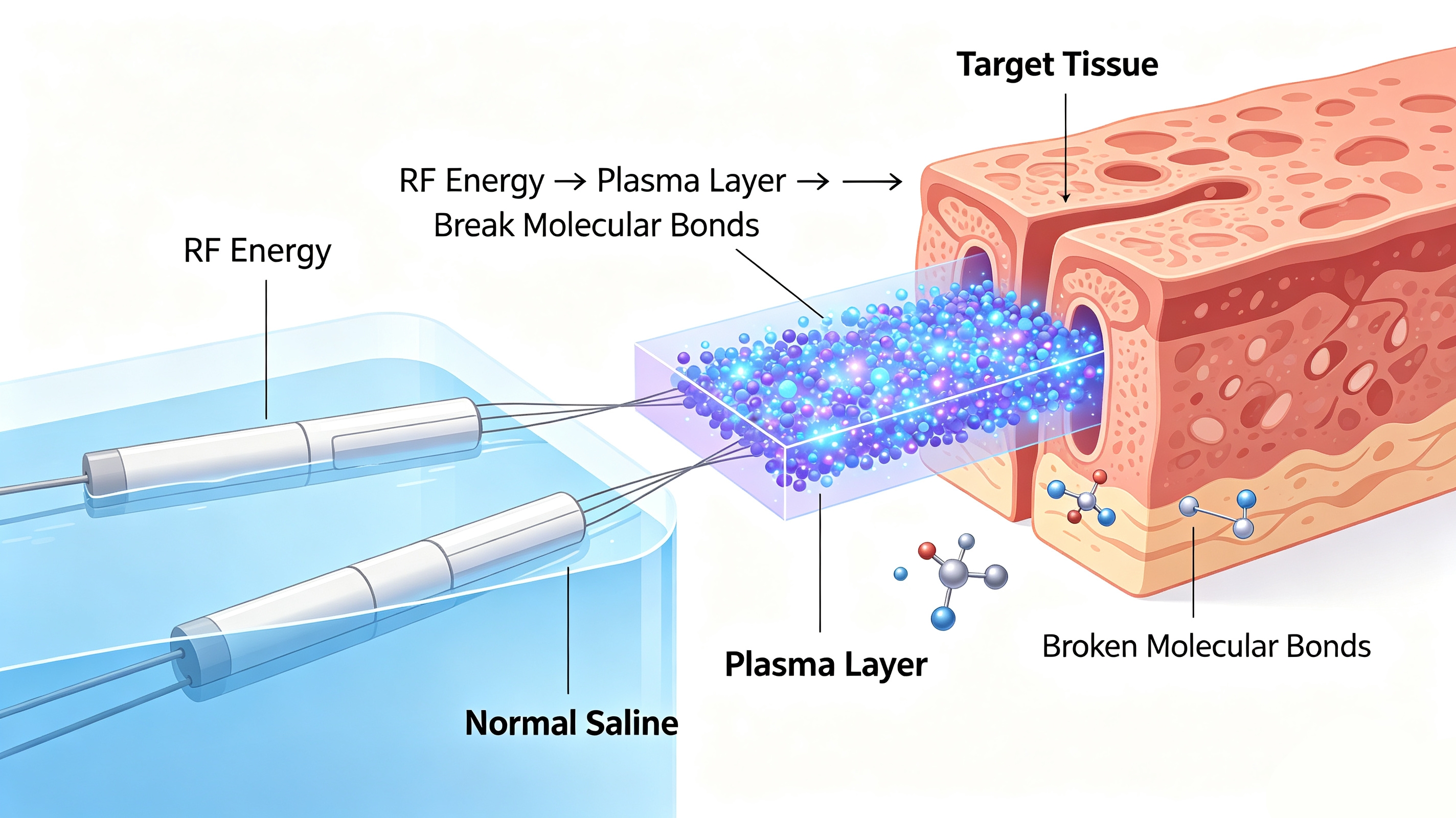
Coblation uses bipolar radiofrequency energy in a conductive medium, typically normal saline, to create a thin layer of ionized particles known as a plasma field.
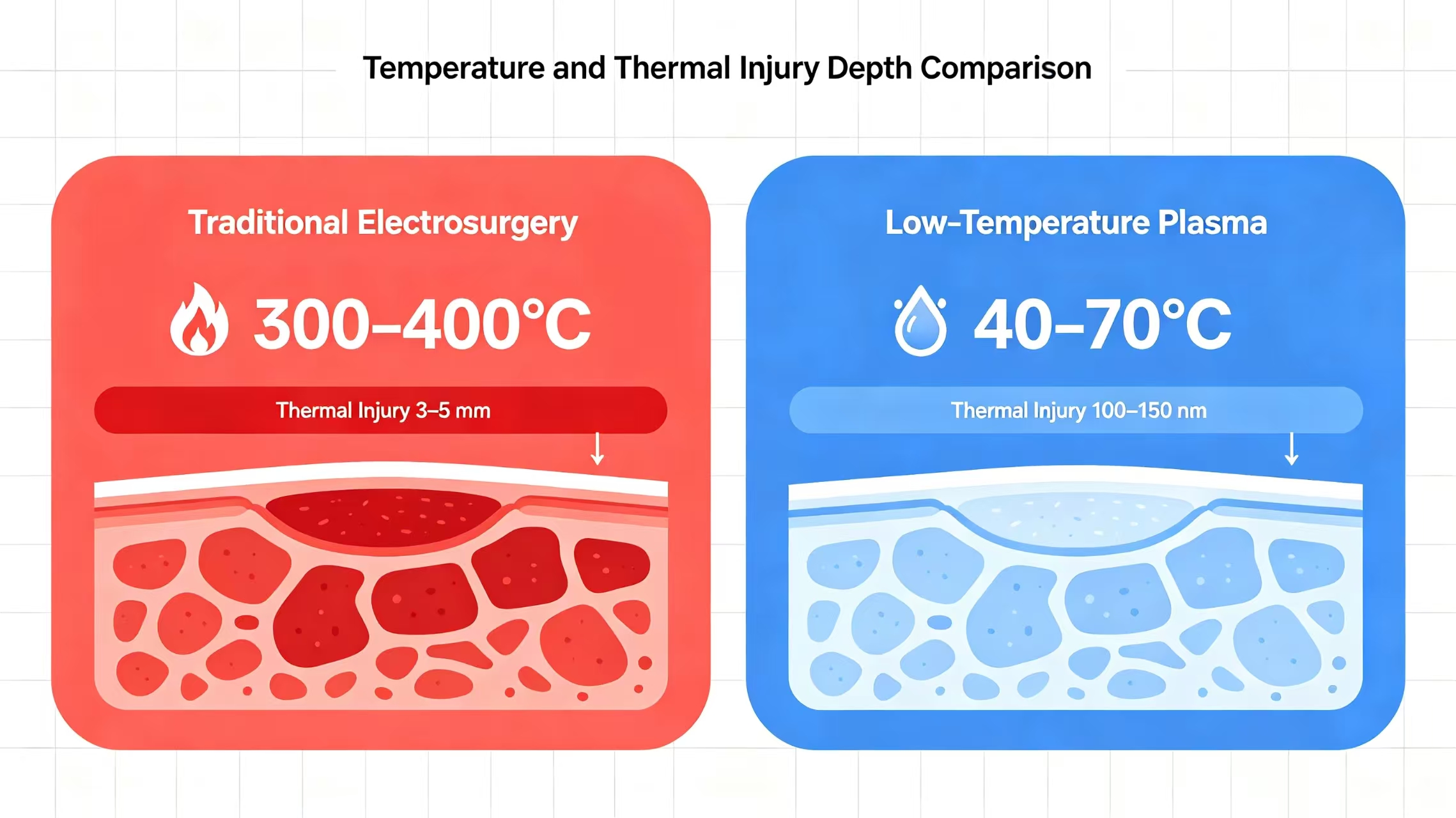
This plasma layer breaks molecular bonds within targeted tissues, allowing controlled tissue removal or ablation at temperatures typically between 40–70°C.
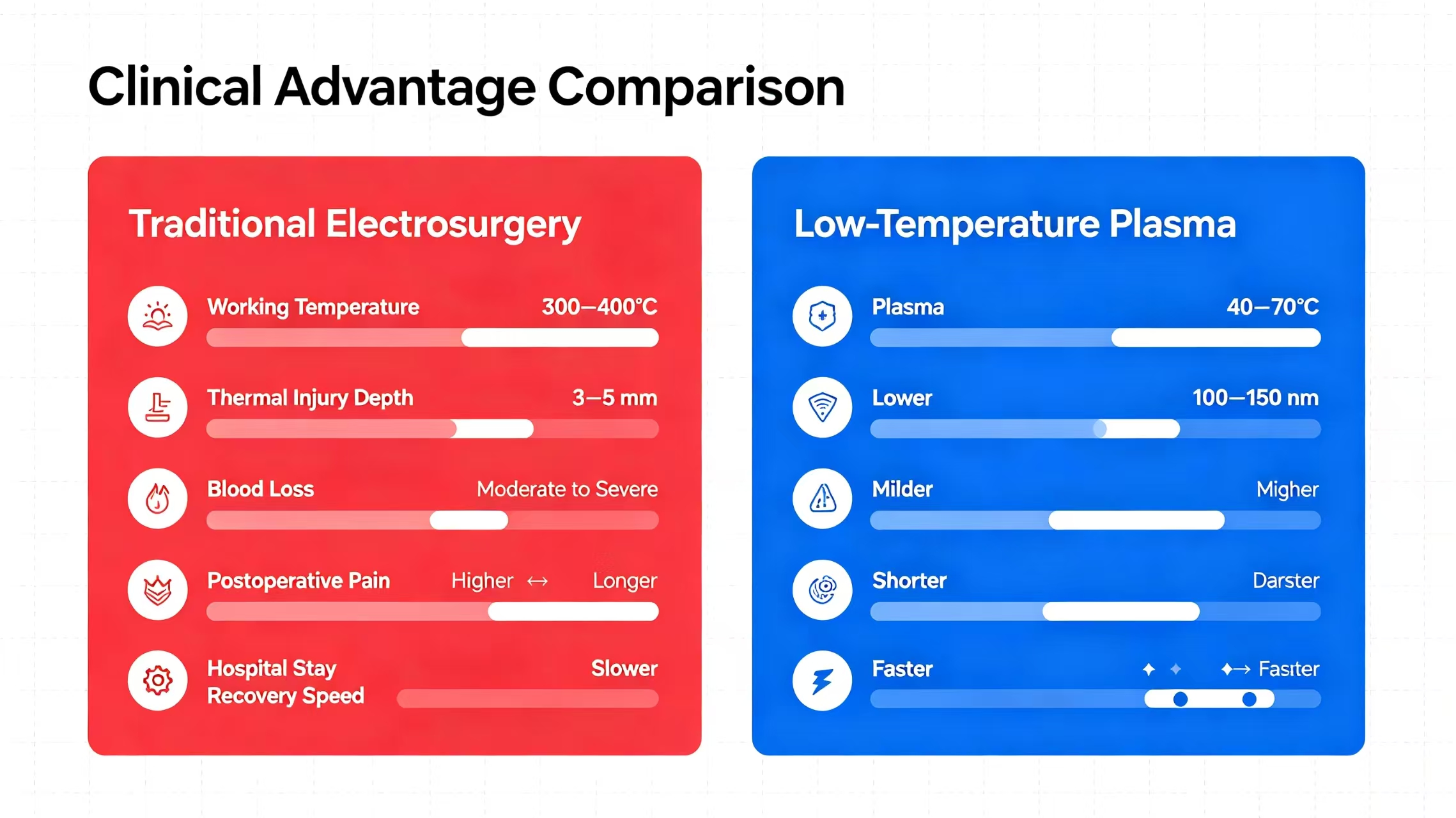
Unlike conventional electrocautery, which operates at approximately 300–400°C, Coblation generates significantly less thermal energy and reduces unintended injury to surrounding tissues. The thermal injury depth of Coblation is approximately 100–150 nm, compared with 3–5 mm with traditional electrosurgical techniques.
This high level of precision makes Coblation particularly suitable for delicate anatomical areas where preservation of surrounding healthy tissue is important, including:
· Orthopedic arthroscopy
· ENT surgery
· Spine procedures
· General surgery
Coblation received FDA approval for clinical applications in 2000. Initially developed for orthopedic arthroscopy, the technology has since expanded into multiple surgical specialties worldwide.
2. Applications of Coblation in Orthopedic Arthroscopy
Knee Arthroscopy: Meniscus, Cartilage, and Synovial Treatment
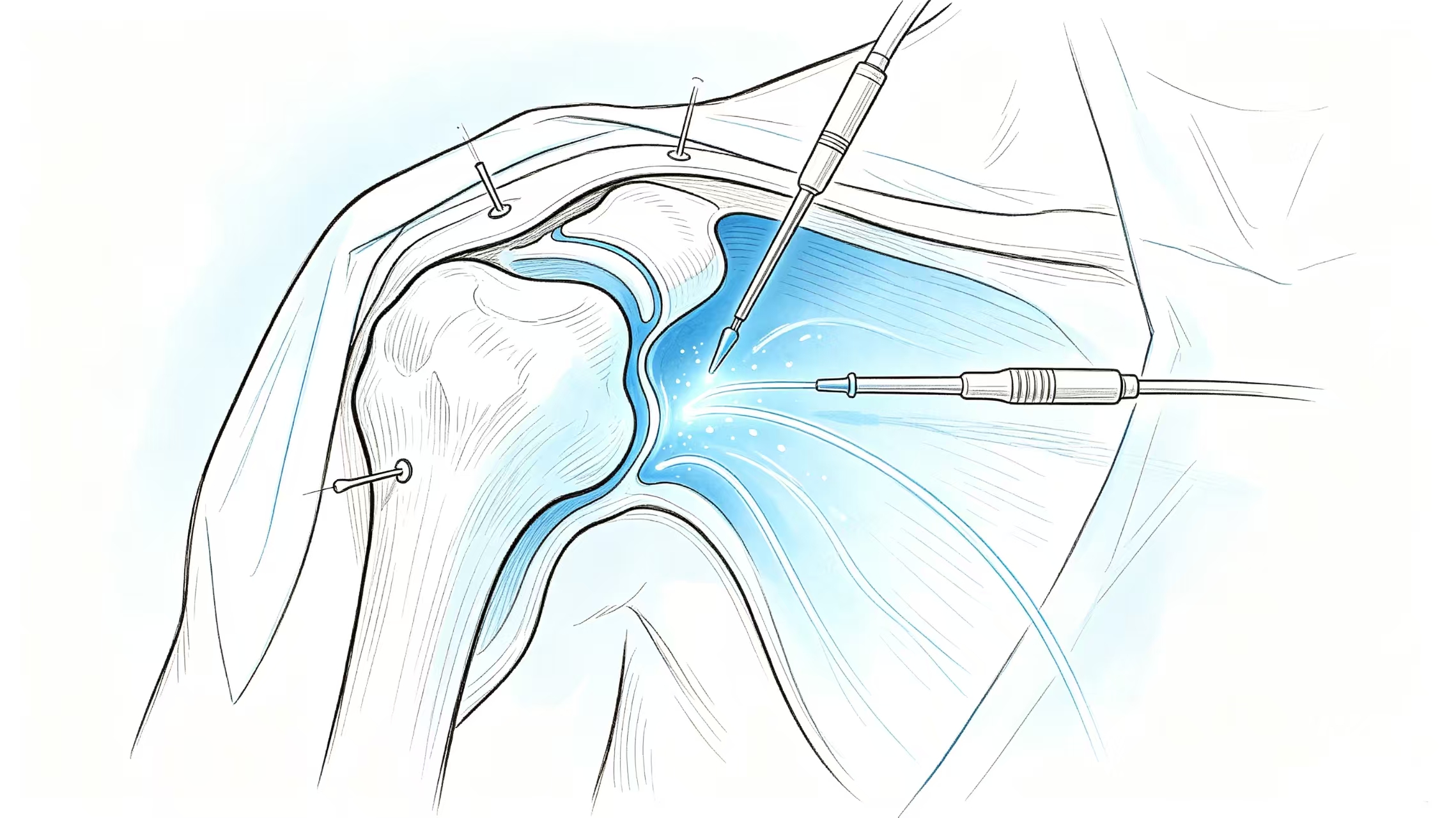
The knee remains one of the most common applications for Coblation technology.
During knee arthroscopy, surgeons use Coblation wands to perform precise tissue removal while maintaining excellent control over bleeding.
Meniscal Trimming and Chondroplasty
For patients with partial meniscal tears, Coblation allows surgeons to smooth and reshape damaged meniscal edges with minimal injury to surrounding cartilage.
In cartilage procedures, Coblation can be used for chondroplasty by removing unstable cartilage fragments while reducing thermal damage to healthy tissue.
Synovial Debridement
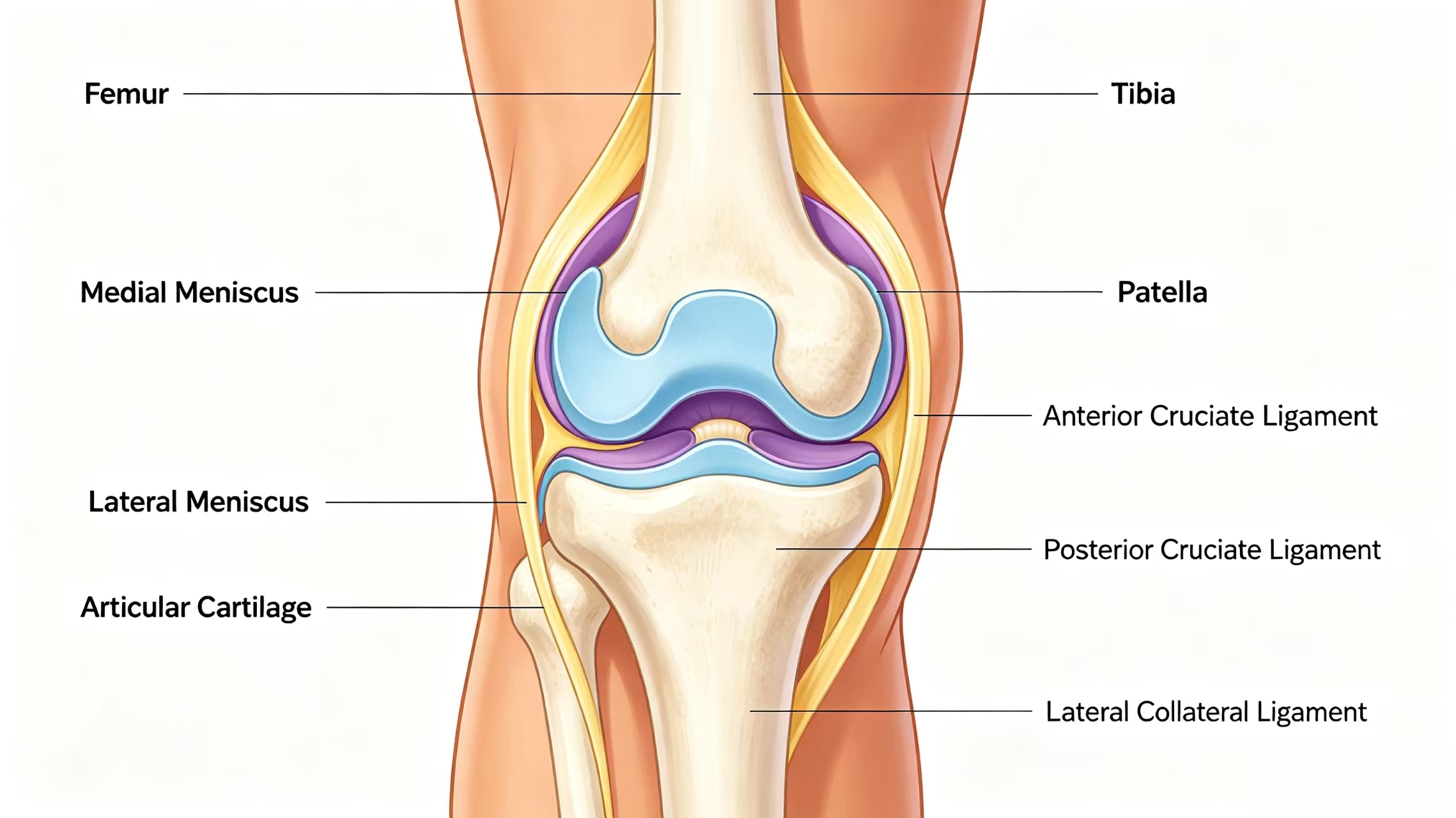
Inflamed synovial tissue can contribute to pain and limited joint function. Coblation provides efficient synovial debridement while simultaneously coagulating small blood vessels, helping maintain a clearer surgical field.
Cartilage Lesions
Because Coblation operates at 40–70°C, it allows controlled treatment of cartilage lesions while minimizing heat-related injury compared with traditional thermal devices.
Clinical studies have demonstrated that Coblation-assisted arthroscopic treatment can improve pain relief and functional outcomes in patients with knee osteoarthritis. One clinical report involving 7 patients and 8 knees showed an 85.7% excellent-to-good outcome rate after arthroscopic Coblation debridement.
Shoulder Arthroscopy: Rotator Cuff Repair
Coblation is also increasingly used in shoulder arthroscopy, particularly during rotator cuff repair procedures.
During rotator cuff surgery, Coblation can assist with:
· Soft tissue removal
· Synovial treatment
· Bone bed preparation
· Hemostasis during surgery
A 2025 prospective randomized double-blind trial presented at ISAKOS reported that Coblation-assisted bone-bed preparation achieved similar retear rates compared with mechanical debridement while providing a faster surgical workflow.
Other Orthopedic Applications
Beyond knee and shoulder procedures, Coblation technology has been applied in various arthroscopic surgeries, including:
· Ankle arthroscopy
· Hip labral repair
· Temporomandibular joint (TMJ) arthroscopy
Clinical research indicates that Coblation enables controlled tissue removal with minimal thermal impact on surrounding anatomical structures, making it a valuable tool for minimally invasive orthopedic surgery.
3. Applications of Coblation in ENT Surgery
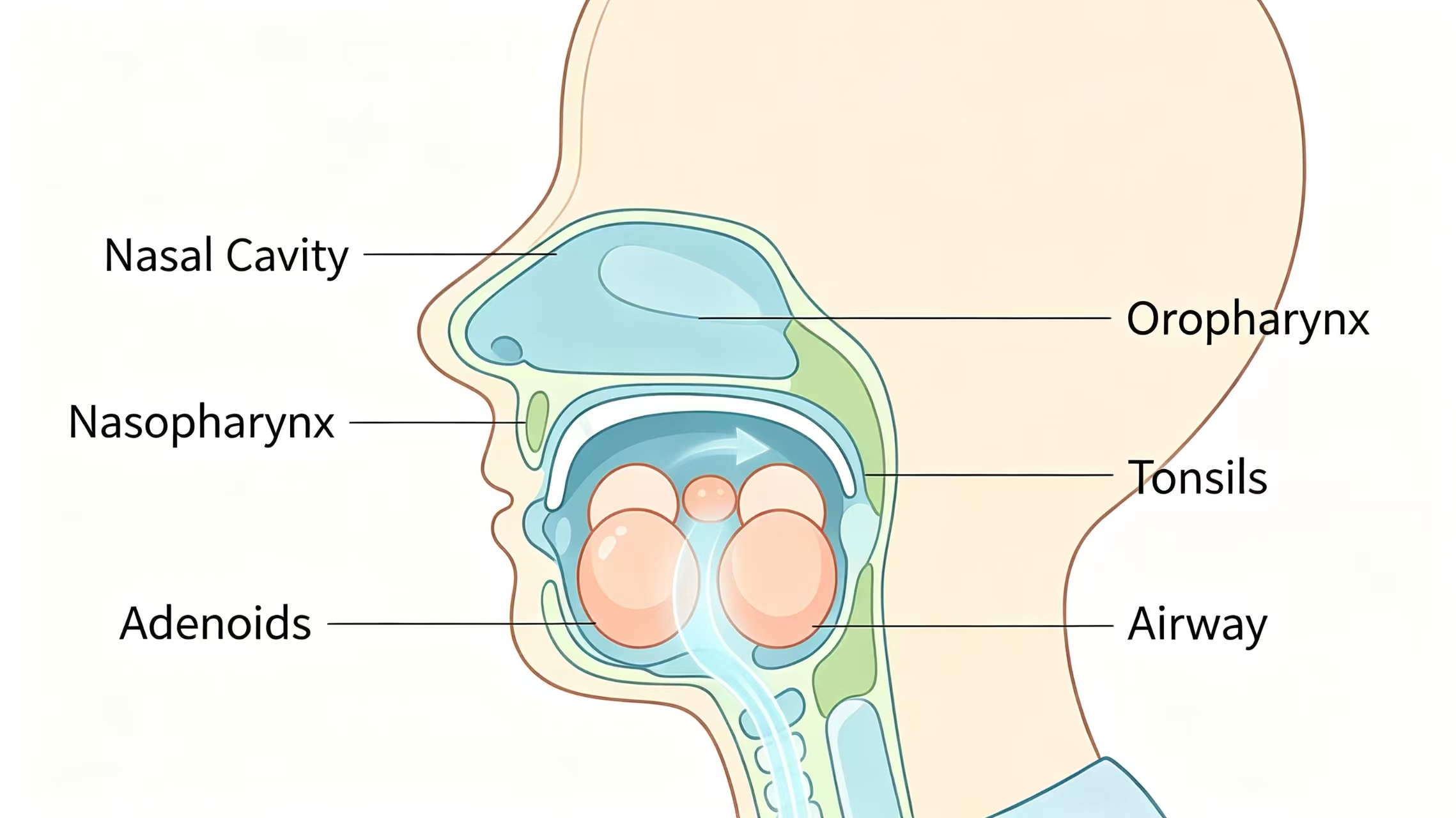
Coblation has become an important technology in ear, nose, and throat (ENT) surgery due to its ability to precisely remove targeted tissue while controlling bleeding and minimizing thermal damage.
Its applications cover rhinology, pharyngology, laryngology, and sleep-related airway procedures.
Rhinology: Improving Nasal Airway Function and Controlling Bleeding
Chronic Hypertrophic Rhinitis
For patients with chronic hypertrophic rhinitis, Coblation turbinate reduction provides a minimally invasive method to reduce enlarged inferior turbinates and improve nasal airflow.
The technology precisely reduces excess tissue while preserving surrounding mucosal function, helping maintain normal nasal physiology and reducing the risk of postoperative adhesions (synechiae).
A 2025 study evaluated the combination of submucous bone resection and Coblation for the treatment of inferior turbinate hypertrophy, further supporting its clinical application in nasal airway surgery.
Allergic Rhinitis
Coblation can also be used in the management of allergic rhinitis.
By selectively ablating targeted branches of the vidian nerve, Coblation radiofrequency technology may help reduce symptoms such as excessive nasal discharge (rhinorrhea) and nasal congestion.
Compared with traditional nerve transection techniques, this approach may reduce the risk of complications such as dry-eye symptoms.
Nasal Polyps and Epistaxis Management
Coblation is also applied in selected cases of nasal polypectomy and nasal bleeding control.
Its precise tissue removal capability and effective coagulation function make it particularly useful for controlling bleeding in patients who may have increased bleeding risks, including those with coagulopathy.
Laryngology and Pharyngology: Precise Treatment with Reduced Surgical Trauma
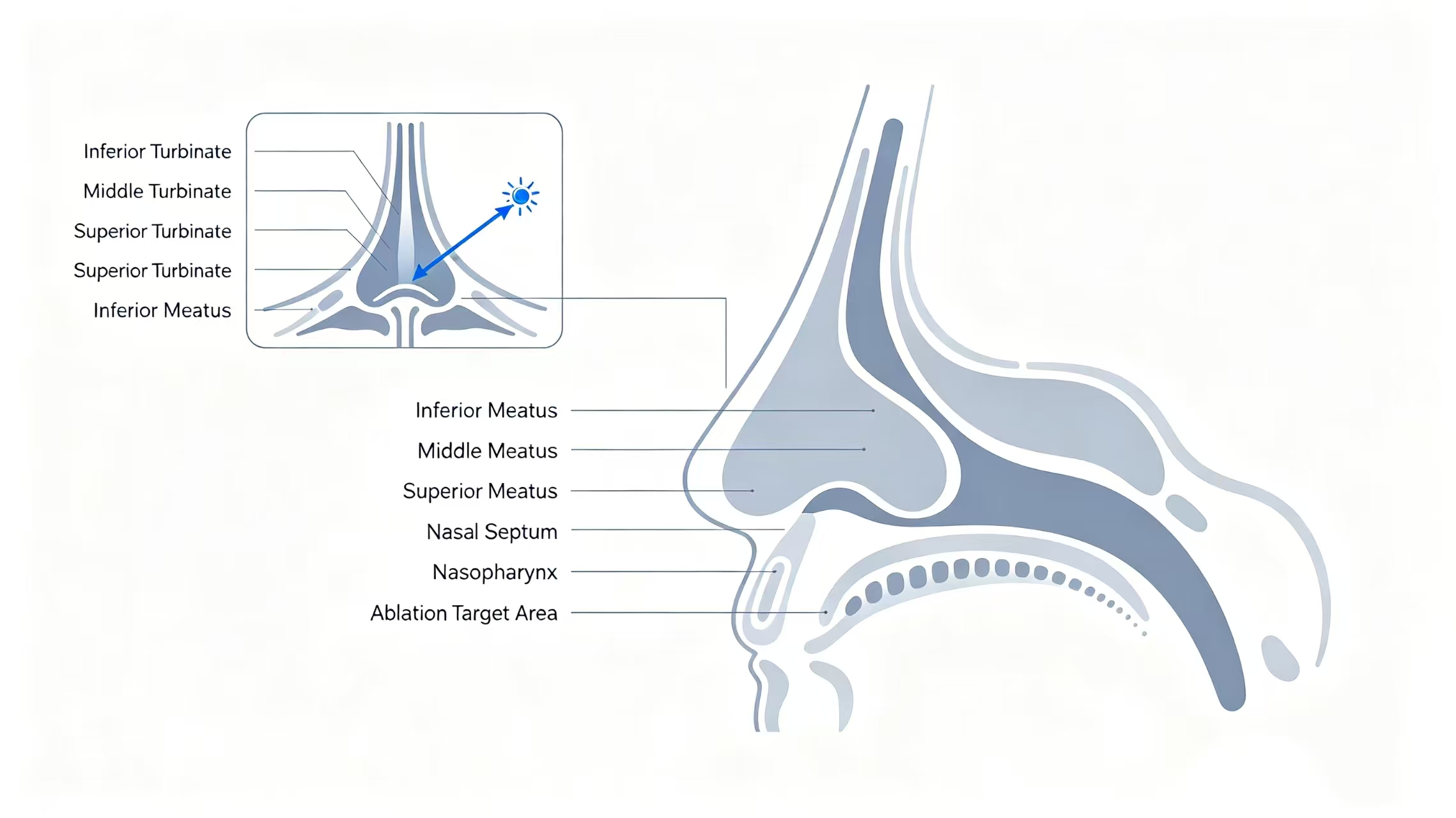
Tonsillectomy and Adenoidectomy
Tonsillectomy and adenoidectomy are among the most common ENT procedures performed with Coblation technology.
Compared with conventional surgical techniques, Coblation allows surgeons to remove tonsillar and adenoid tissue with lower temperatures, reduced thermal injury, and improved control of intraoperative bleeding.
A 2025 randomized controlled trial compared a modified Coblation adenoidectomy technique (ISCA) with the conventional approach. The study found that the modified technique reduced operative time and decreased lateral thermal injury.
In children with tonsillar and adenoid hypertrophy, endoscopic Coblation surgery has been shown to reduce surgical stress and improve nasal ventilation compared with traditional methods.
Partial Coblation tonsillectomy may provide additional benefits, including:
· Reduced intraoperative bleeding
· Lower postoperative pain
· Fewer complications
· Shorter hospital stay
· Better preservation of remaining tonsillar tissue and immune function
Some studies have also reported reduced respiratory infection rates after tissue-preserving approaches.
Snoring and Obstructive Sleep Apnea (OSA / OSAHS)
Coblation is widely used in the treatment of airway obstruction associated with snoring and obstructive sleep apnea (OSA).
The technology can precisely reduce excessive tissue from areas such as:
· Soft palate
· Tonsils
· Tongue base
By enlarging the pharyngeal airway space, Coblation radiofrequency ablation can help improve airflow during sleep.
Multilevel Coblation radiofrequency ablation has become an established approach for selected patients with obstructive sleep apnea hypopnea syndrome (OSAHS).
A 2025 PubMed study evaluated radiofrequency-assisted Coblation turbinoplasty combined with modified UPPP for OSAHS treatment.
Laryngeal Microsurgery
In suspension laryngoscopy procedures, Coblation provides precise tissue removal with effective hemostasis.
For conditions such as vallecular cysts, Coblation has demonstrated advantages compared with ultrasonic shears, including:
· Shorter operative time
· Reduced intraoperative bleeding
· Less postoperative pain
· Fewer complications
These advantages make Coblation a valuable option for delicate laryngeal procedures where preservation of surrounding structures is essential.
4. Coblation vs. Conventional Surgery: Key Differences
Parameter | Conventional Surgery (Electrocautery / Cold Steel) | Coblation |
Working temperature | 300–400°C | 40–70°C |
Thermal injury depth | 3–5 mm | 100–150 nm |
Tissue damage | Greater collateral thermal injury | Minimal thermal impact |
Blood loss | Significant | Minimal |
Postoperative pain | More severe | Reduced |
Hospital stay | Longer | Shorter |
Recovery speed | Slower | Faster |
Coblation provides a balance between effective tissue removal and preservation of surrounding healthy structures, making it suitable for many minimally invasive procedures.
5.Frequently Asked Questions About Coblation
Q1: Is Coblation less painful than traditional surgery?
Yes. Coblation generally causes less thermal damage than conventional electrosurgery because it operates at 40–70°C.
The reduced tissue injury may result in less postoperative swelling, discomfort, and pain, particularly in procedures such as arthroscopy and tonsillectomy.
Q2: Is Coblation safe?
Coblation has been clinically used since FDA approval in 2000 and has more than two decades of application experience in orthopedic arthroscopy, ENT surgery, and other surgical specialties.
Clinical studies have demonstrated a well-established safety profile when performed by trained surgeons.
Q3: How long does recovery take after Coblation surgery?
Recovery time depends on the specific procedure and patient condition.
For many arthroscopy patients, basic rehabilitation can begin within 1–2 weeks after surgery.
For children undergoing Coblation tonsillectomy, hospital stays are typically around 2–3 days, depending on clinical circumstances and hospital protocols.
Q4: Is Coblation more expensive than traditional surgery?
The cost of Coblation may be slightly higher due to the use of single-use surgical wands.
However, the overall cost-effectiveness may be improved because of potential benefits such as:
· Shorter hospitalization
· Faster recovery
· Reduced postoperative medication requirements
· Lower complication rates
Q5: What is the difference between Coblation and a mechanical shaver?
A mechanical shaver removes tissue through mechanical cutting and does not provide active coagulation.
Coblation combines:
· Controlled tissue ablation
· Tissue sculpting
· Adhesion release
· Immediate coagulation
This allows surgeons to achieve more precise tissue removal with improved bleeding control and reduced surgical trauma.
6. Conclusion
Coblation has changed the approach to minimally invasive surgery by providing precise tissue removal with controlled energy delivery and minimal thermal damage.
Operating at 40–70°C, Coblation allows surgeons to treat targeted tissues while preserving surrounding anatomical structures and maintaining important functions.
From orthopedic arthroscopy procedures such as meniscus treatment and cartilage repair to ENT surgeries including tonsillectomy, adenoidectomy, turbinate reduction, and laryngeal microsurgery, Coblation continues to expand its role in modern surgical care.
For patients considering minimally invasive treatment options, Coblation may provide advantages including reduced postoperative pain, less bleeding, and faster recovery. The most appropriate treatment approach should always be determined through consultation with a qualified specialist based on individual clinical needs.