

Tubes in Ears for Kids: A Parent’s Guide
If your child has frequent ear infections, persistent fluid in the middle ear, or hearing problems, your doctor may recommend tubes in ears for kids. These small tubes help ventilate the middle ear, improve fluid drainage, and reduce problems caused by repeated fluid buildup.
This guide explains why children may need ear tubes, what happens during surgery, recovery, benefits, risks, and how long the tubes usually stay in place.
What Are Ear Tubes?
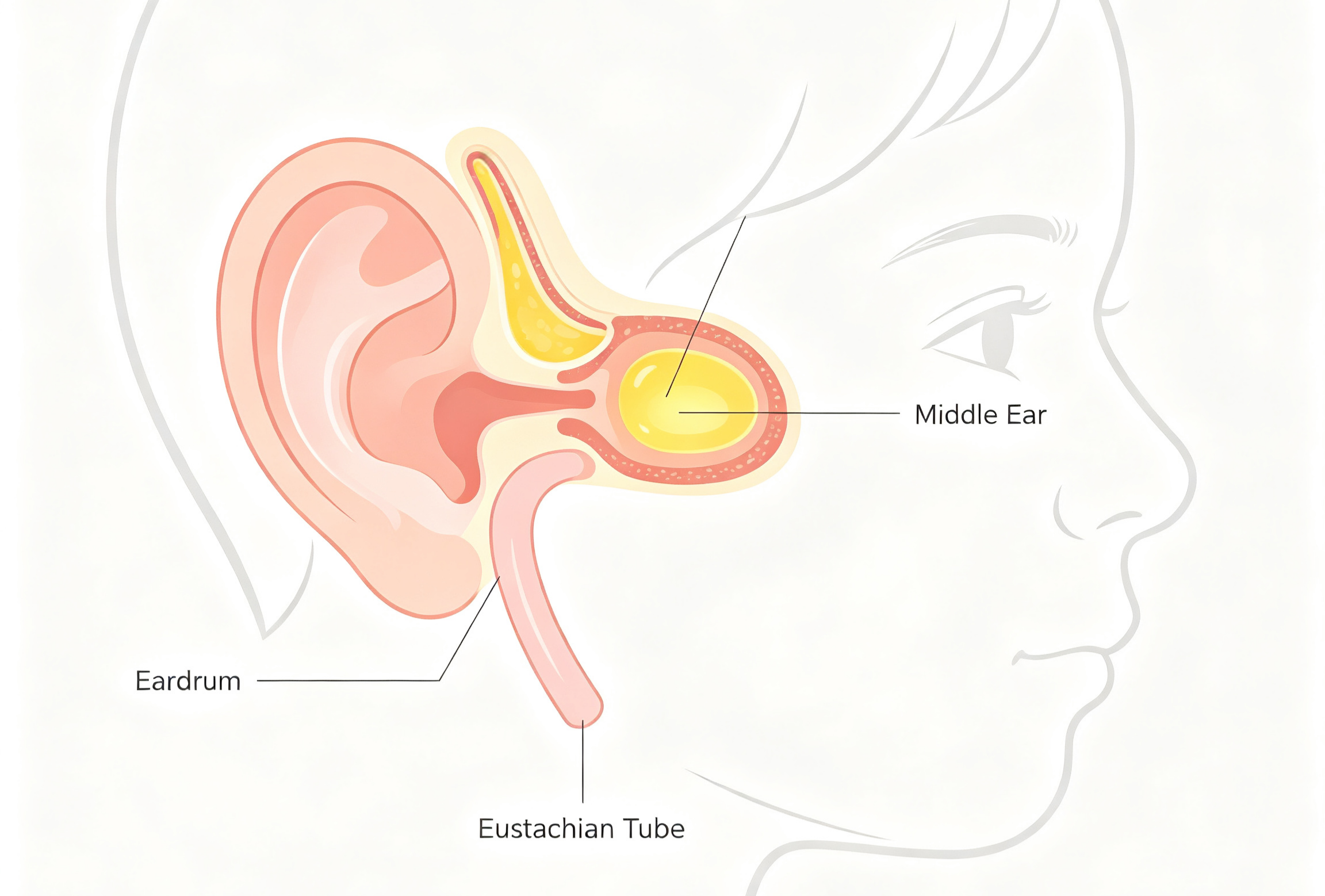
Tubes in ears for kids are tiny hollow tubes placed through the eardrum. They allow air to enter the middle ear and help fluid drain.
They are also commonly called grommet ear tubes, ventilation tubes, or tympanostomy tubes. Several types are available depending on the child's condition and how long ventilation is needed.
A t tube grommet is designed to remain in the eardrum for a longer period and typically has flanges that help keep it in place. An Armstrong grommet tube is another commonly used design for children.
The medical term for inserting an ear tube is tympanostomy tube placement.
Why Do Kids Get Ear Tubes?
Ear tubes may be recommended when ear infections or middle-ear fluid keep coming back or affect hearing and development.
Common reasons include:
· Three or more ear infections within 6 months
· Four or more ear infections within 12 months
· Middle-ear fluid lasting 3 months or longer, especially when hearing is affected
· Hearing problems or speech and language concerns related to persistent fluid
· Certain conditions, such as cleft palate or Down syndrome
Not every child with an ear infection needs tubes. The decision depends on the frequency of infections, the presence of fluid, hearing results, and the child's overall health.
Signs Your Child May Need Tubes
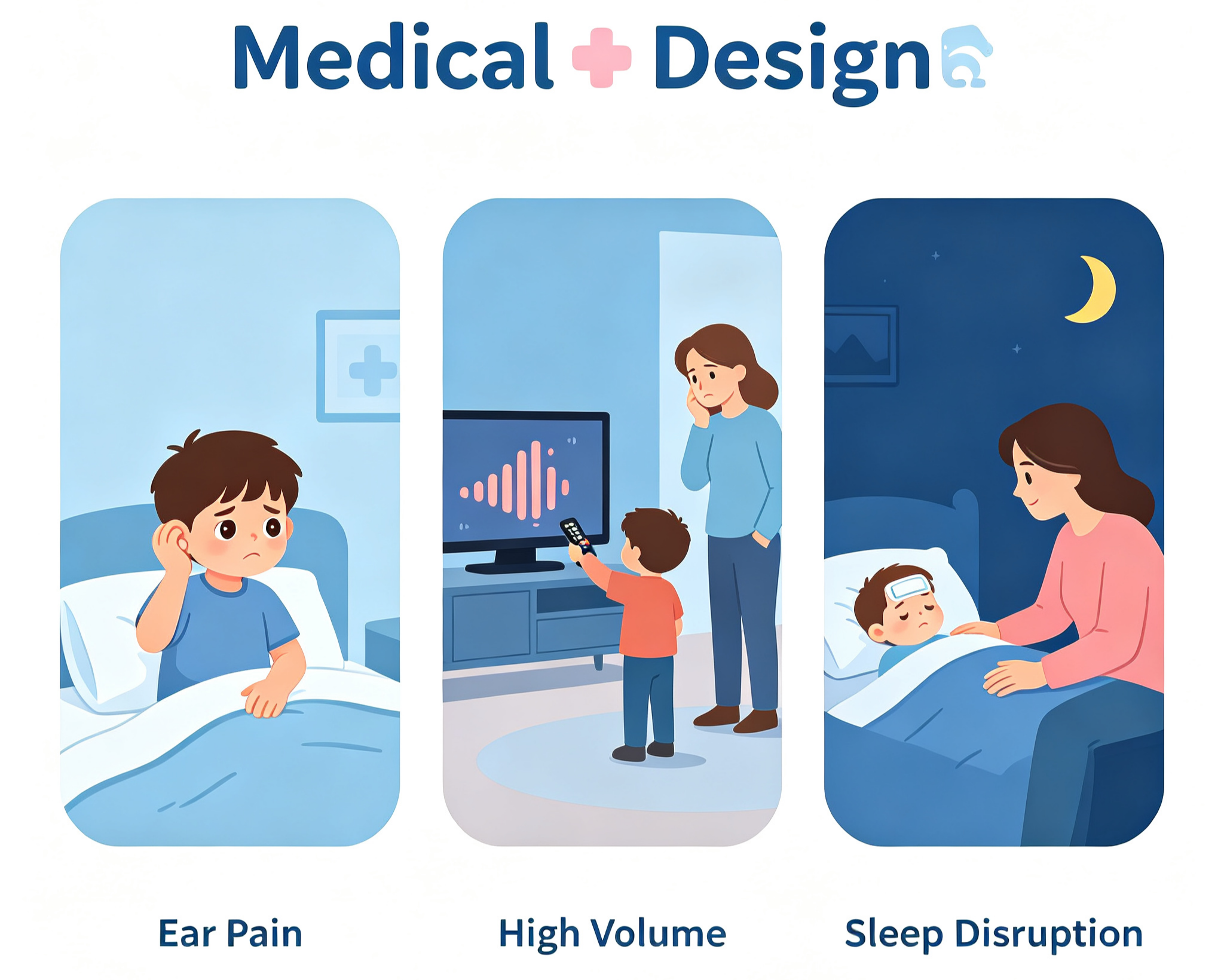
Young children may not be able to describe hearing problems clearly. Parents may notice:
· Frequent ear pulling or irritability
· Not responding to sounds or being asked to repeat things
· Balance problems
· Repeated ear drainage
· Delayed speech or language development
If you notice these signs, talk with your pediatrician or an ENT specialist. A hearing test and examination can help determine whether tubes in ears for kids are appropriate.
Ear Tube Surgery: What to Expect
Tympanostomy tube placement is a short and commonly performed procedure in children.
During surgery, the doctor usually:
1. Uses anesthesia to keep the child comfortable.
2. Makes a tiny opening in the eardrum.
3. Removes any fluid from the middle ear.
4. Places a grommet ear tube, t tube grommet, or Armstrong grommet tube into the opening.
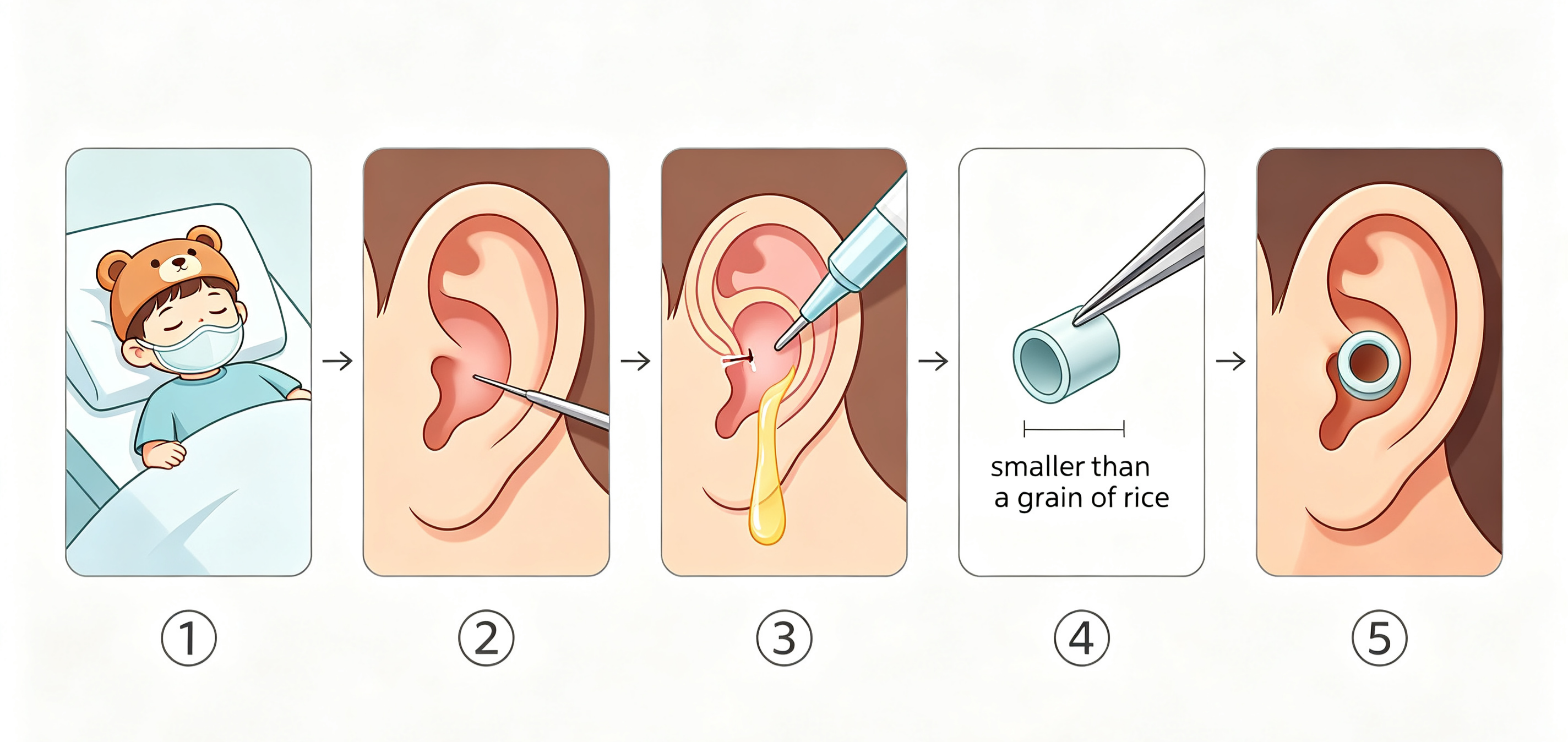
The procedure itself often takes about 5–15 minutes. Most children can go home the same day, usually within a few hours.
For otherwise healthy children, serious complications are uncommon.
Recovery After Ear Tube Surgery
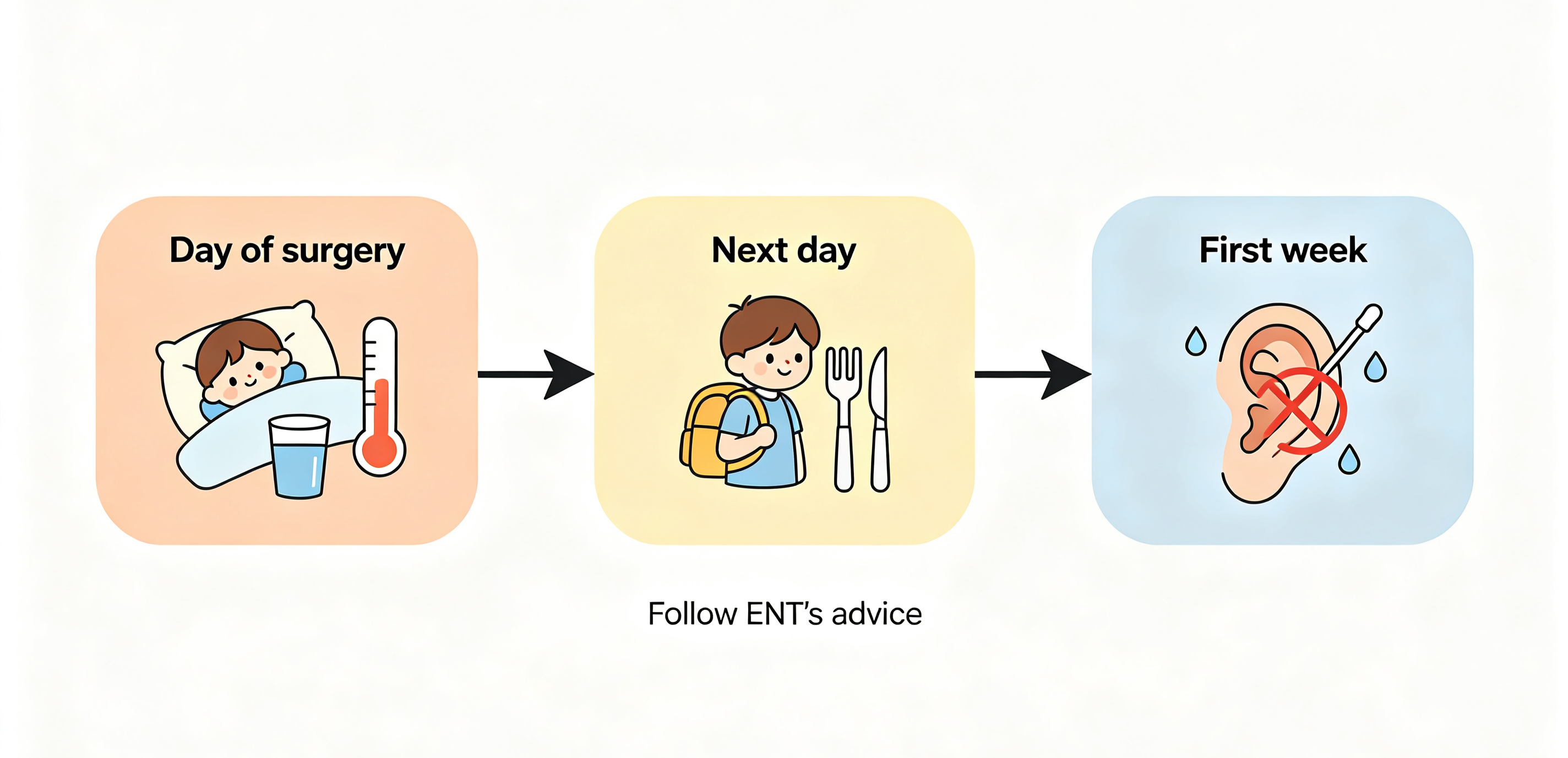
Recovery is usually quick.
The day of surgery:
Your child may be sleepy, fussy, or less active after anesthesia. Rest and plenty of fluids are usually helpful.
The next day:
Many children can return to school or daycare if they feel well.
During the first week:
A small amount of ear drainage may occur. Follow your doctor's instructions for ear drops, and clean only the outside of the ear. Do not put cotton swabs or other objects into the ear canal unless instructed by your doctor.
Swimming:
Most children with ear tubes can swim, but recommendations may vary depending on the type of water, swimming depth, and the child's history of ear drainage. Ask your ENT whether earplugs are necessary.
Hearing:
Hearing often improves after fluid is removed, although the improvement may vary from child to child.
Most children are back to their normal activities within a day.
How Long Do Ear Tubes Stay In?
The length of time depends on the type of tube.
Most grommet ear tubes stay in place for about 6–18 months and eventually fall out on their own. Longer-lasting tubes, such as some t tube grommet designs, may remain in place for 2 years or longer.
An Armstrong grommet tube may also remain in place for an extended period, depending on the child's individual circumstances.
Some children need a second set of tubes if ear infections or persistent fluid return after the first tubes come out.
Benefits and Possible Risks
Benefits
Ear tubes can provide several benefits when they are appropriate for the child:
· Fewer problems from recurrent ear infections
· Better hearing when middle-ear fluid is affecting hearing
· Less pressure and fluid buildup in the middle ear
· Improved sleep and daily comfort
· Reduced impact of persistent fluid on speech and language development
Possible Risks
Most children do well after tympanostomy tube placement, but complications can occur.
Possible problems include:
· Temporary ear drainage
· Tube blockage
· The tube coming out too early or staying in too long
· A small hole in the eardrum after the tube comes out
· The need for another procedure in some children
· Rare complications related to anesthesia
Serious complications are uncommon.
Ear Tubes vs. Antibiotics
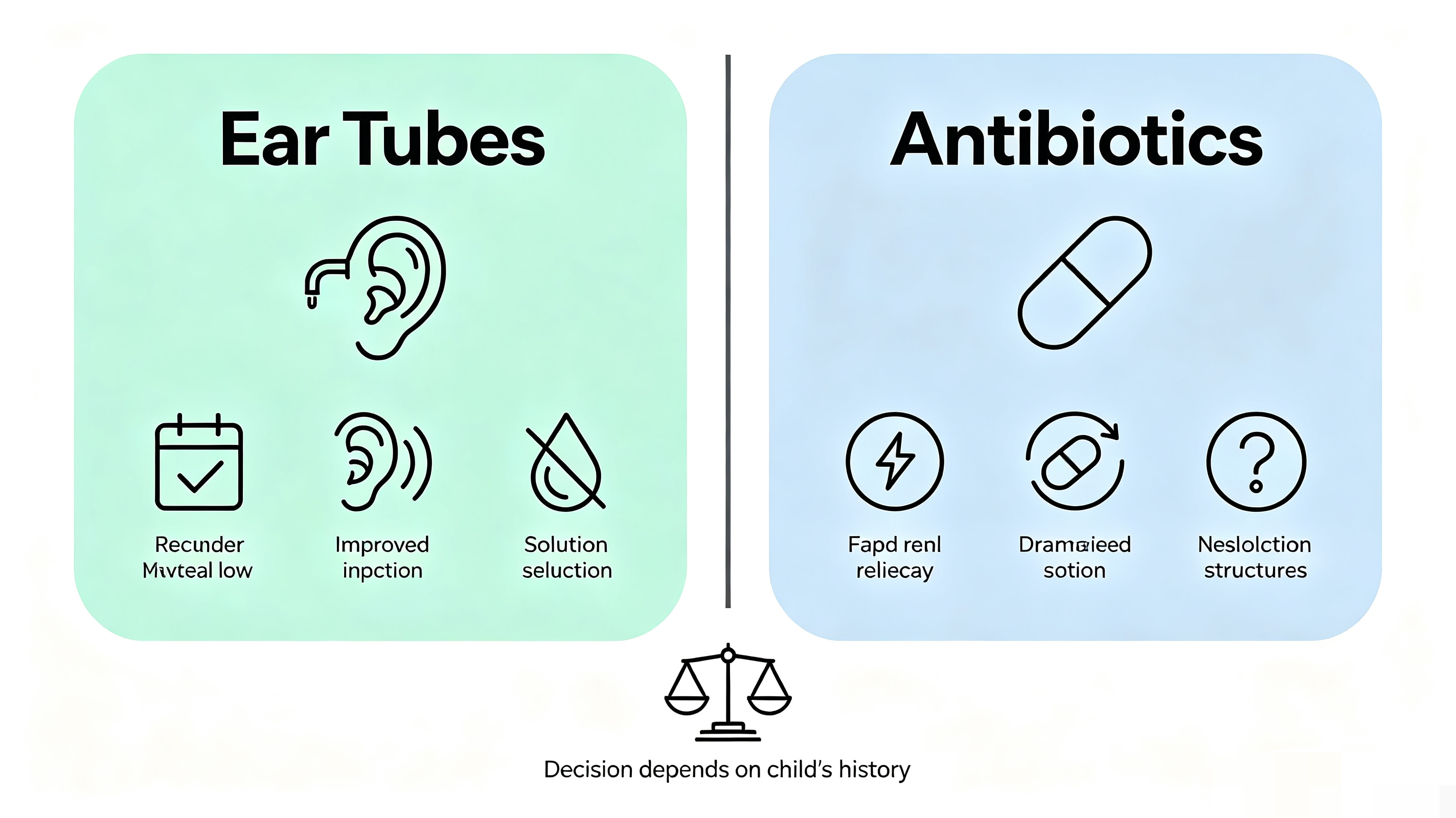
Antibiotics and ear tubes serve different purposes.
Antibiotics are used to treat bacterial ear infections when medication is appropriate. They may be sufficient for children who have occasional infections.
Ear tubes are intended to improve middle-ear ventilation and drainage. They may be considered when infections are frequent, fluid persists, or hearing is affected.
For some children with recurrent infections, a grommet ear tube can reduce the need for repeated treatment. If infections or middle-ear fluid continue to cause problems, an ENT may recommend tympanostomy tube placement.
Does My Child Need Ear Tubes?
Your child may be a candidate for tubes in ears for kids if they have:
· 3 or more ear infections in 6 months
· 4 or more ear infections in 1 year
· Middle-ear fluid lasting 3 months or longer
· Hearing loss related to persistent fluid
· Speech or language concerns associated with hearing problems
If infections are uncommon and your child's hearing is normal, your doctor may recommend monitoring instead of surgery.
The best decision depends on your child's medical history, ear examination, and hearing results.
FAQs
What is the best age for ear tubes?
There is no single best age. Tubes in ears for kids are commonly placed in young children, but the decision is based on medical need rather than age alone.
What is an Armstrong grommet tube?
An Armstrong grommet tube is a type of tympanostomy tube commonly used in children. Its design helps keep the tube positioned in the eardrum while providing ventilation to the middle ear.
How long do t tube grommets last?
A t tube grommet is designed for longer-term ventilation and may remain in place for 2 years or more. The actual duration varies between children.
Are ear drops needed after surgery?
Doctors often prescribe ear drops after tympanostomy tube placement, particularly around the time of surgery or when drainage occurs. Follow your ENT's specific instructions.
How much do ear tubes cost?
The cost varies by country, hospital, insurance coverage, anesthesia, and the type of tube used. When medically necessary, the procedure may be covered by health insurance.
How do I find a specialist?
Start with your child's pediatrician or family doctor and ask for an ENT referral if appropriate.

Conclusion
Tubes in ears for kids are a common treatment for children with recurrent ear infections, persistent middle-ear fluid, or hearing problems. The procedure is usually quick, recovery is generally fast, and serious complications are uncommon.
Whether your child receives a grommet ear tube, t tube grommet, or Armstrong grommet tube, the goal is the same: to improve middle-ear ventilation, reduce fluid-related problems, and support healthy hearing and development.