

Microdebrider: A Complete Guide to This Essential ENT Surgical Tool
What Is a Microdebrider?
A microdebrider is a powered surgical instrument used to remove soft tissue with precision while providing continuous suction. It typically consists of a console, handpiece, and disposable blade.
During surgery, suction draws tissue into the blade opening, where a rotating inner tube cuts the tissue against a stationary outer tube. The tissue fragments are then removed through the suction channel. This allows surgeons to remove targeted tissue while keeping the surgical field clear.
Because the instrument removes tissue mechanically rather than with thermal energy, it is particularly useful when precise tissue preservation is important.
How Does a Microdebrider Work?
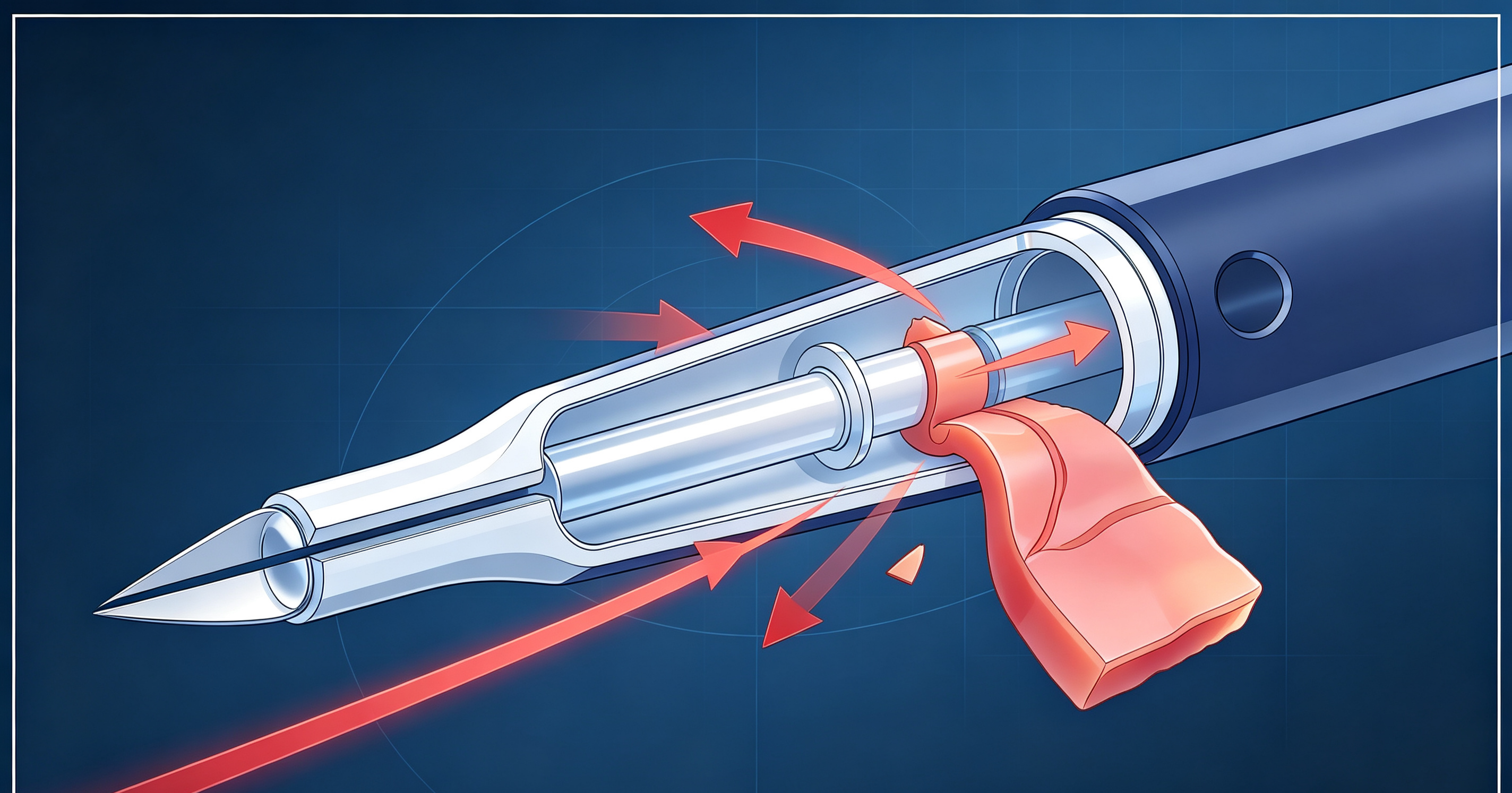
The microdebrider combines tissue resection and suction in a single instrument. Tissue is drawn into the blade port by suction and then removed by the rotating inner blade.
Blade speed and suction settings can be adjusted according to the procedure and tissue characteristics. In some situations, a lower rotation speed can provide more aggressive tissue removal because more tissue enters the blade opening with each pass.
Many systems also support irrigation, helping maintain visibility during endoscopic procedures. Since the tissue is mechanically resected rather than vaporized, specimens can generally be collected for histopathological examination.
History and Evolution
The concept of a powered, suction-assisted rotary dissector can be traced back to the late 1960s. Early applications included skull base and acoustic neuroma surgery, followed by widespread use in orthopedic arthroscopy.
The microdebrider was introduced into rhinology in the 1990s and quickly became an important tool in functional endoscopic sinus surgery. Modern systems now offer features such as rotating blades, different blade profiles, navigation compatibility, and, in some systems, integrated coagulation capabilities.
Core ENT Applications
Today, microdebrider ent procedures cover a wide range of applications, particularly in rhinology, pediatric ENT, and airway surgery.
Endoscopic Sinus Surgery
In endoscopic sinus surgery (ESS), the microdebrider allows surgeons to remove nasal polyps and diseased tissue while preserving surrounding healthy mucosa.
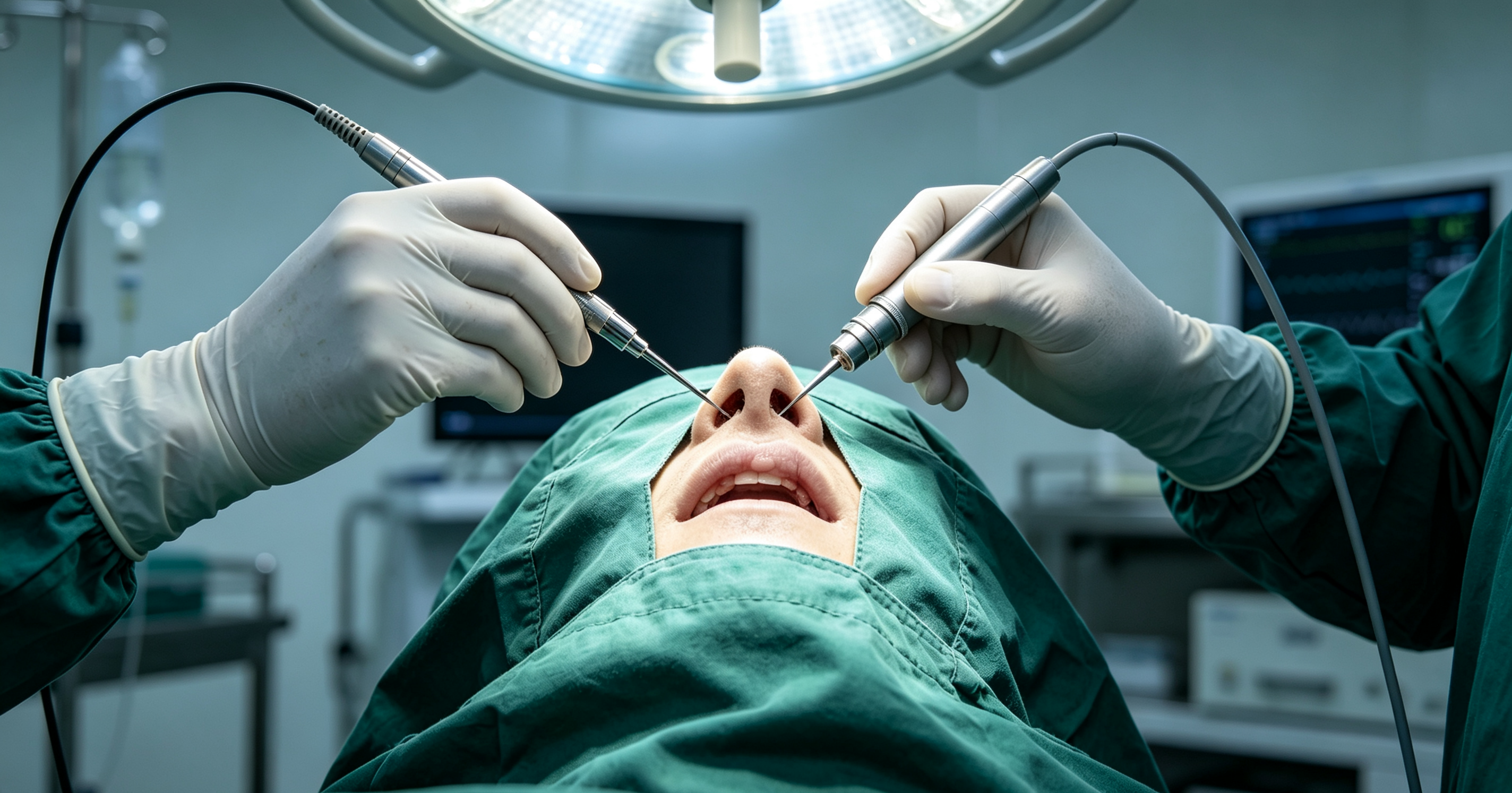
Compared with conventional instruments, microdebrider-assisted ESS has been associated in some studies with shorter operative times, reduced blood loss, less postoperative crusting, and lower rates of postoperative adhesions. However, outcomes vary depending on the disease, surgical technique, and patient population.
Adenoidectomy
A powered microdebrider can be used for endoscopic adenoidectomy, providing direct visualization of the adenoid tissue during removal. This can help surgeons achieve more controlled tissue resection while minimizing residual tissue.
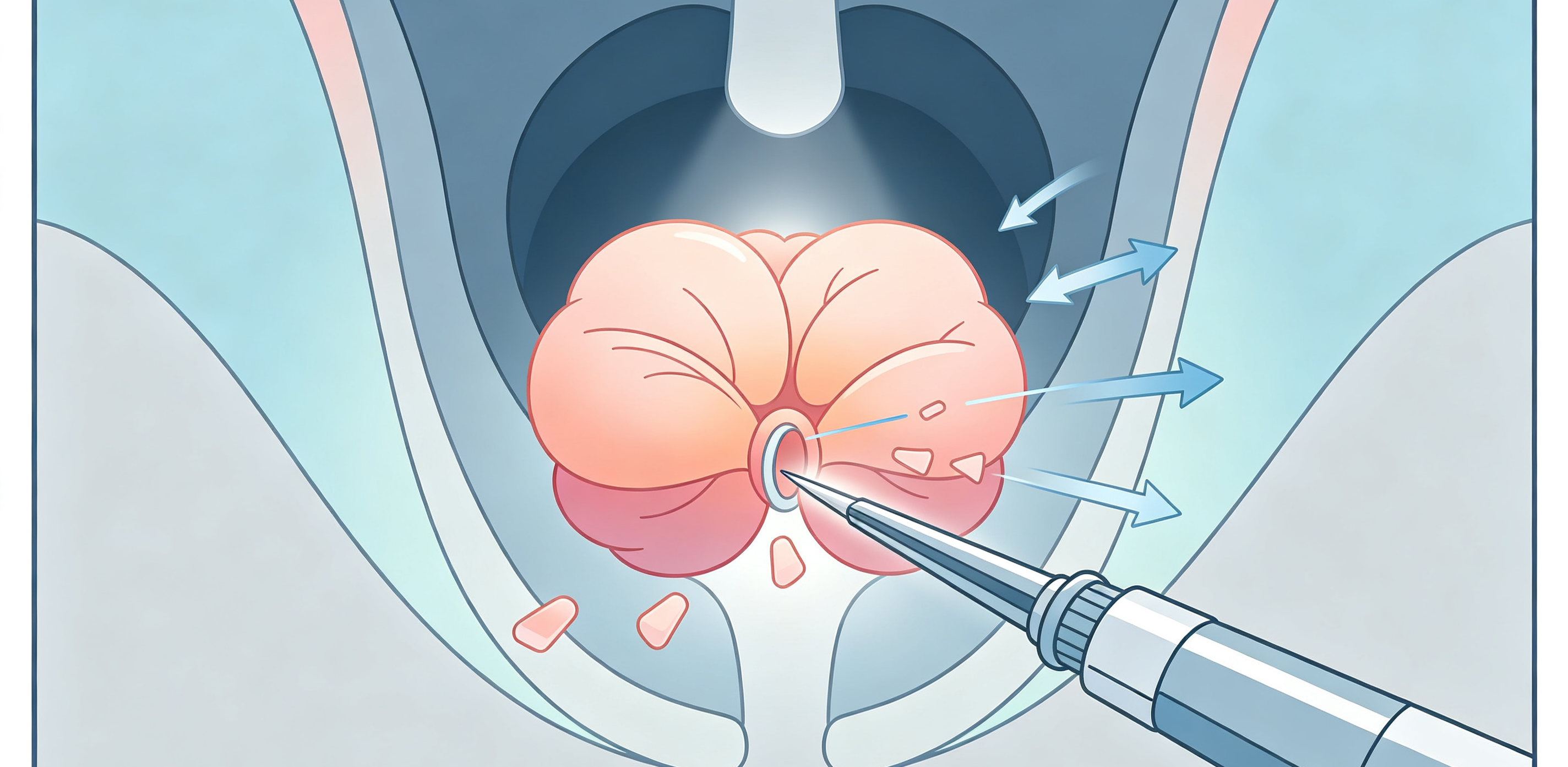
Studies have also reported favorable postoperative pain outcomes with powered adenoidectomy, although results can vary between surgical techniques and patient groups.
Laryngeal Surgery
The microdebrider is also used in selected laryngeal procedures, including the treatment of laryngomalacia and some benign airway lesions such as papillomas.
Because it removes tissue mechanically rather than through thermal energy, it avoids the thermal injury associated with electrosurgery or laser-based techniques. It can also be useful when precise tissue removal is required in a narrow airway.
Microdebrider Turbinate Reduction
Microdebrider turbinate reduction is a minimally invasive technique used to treat nasal obstruction caused by inferior turbinate hypertrophy.
Under endoscopic visualization, the surgeon uses the microdebrider to remove excess submucosal tissue while preserving the overlying mucosa. This approach aims to reduce turbinate volume without unnecessarily damaging the mucosal surface.
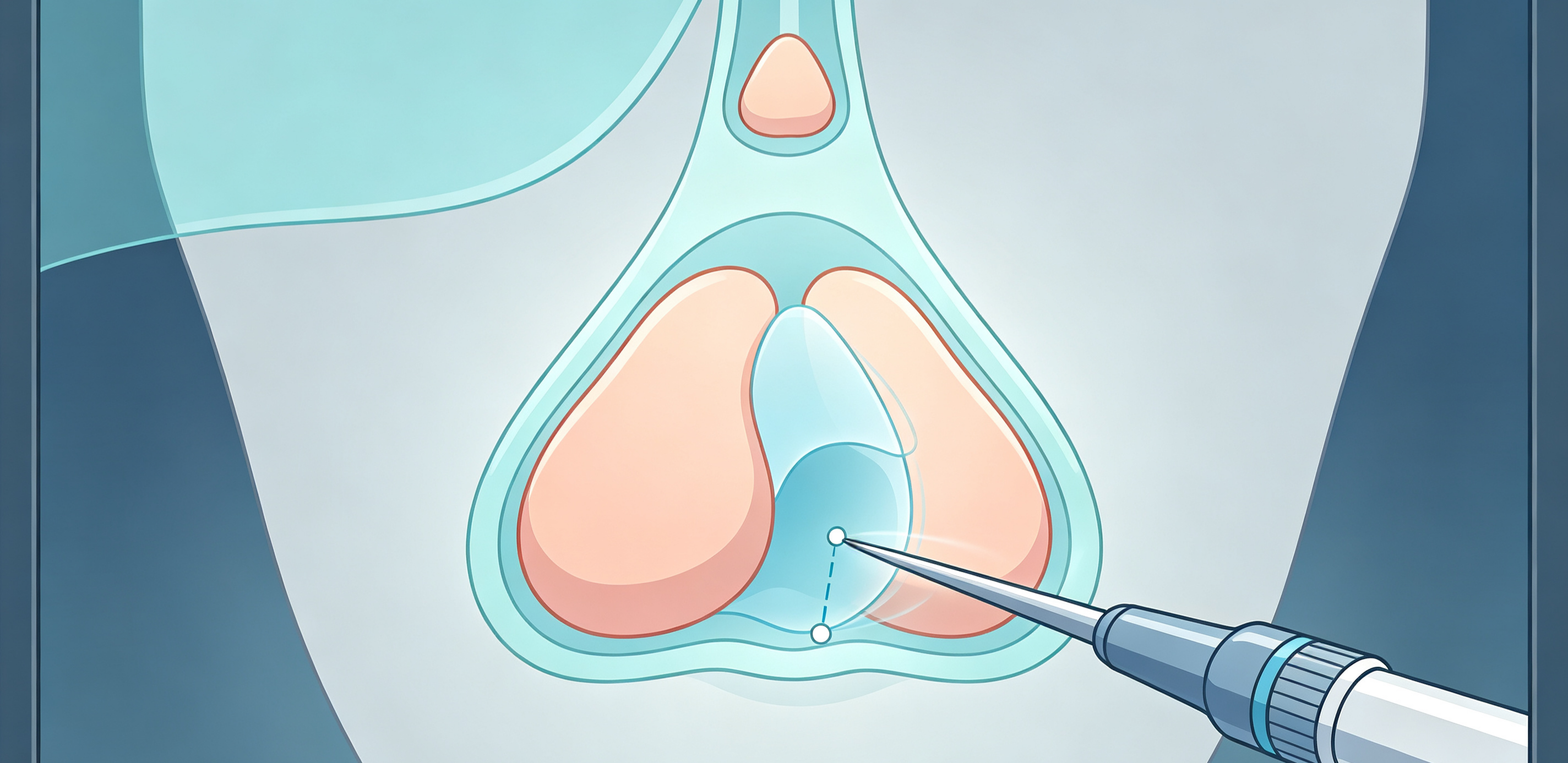
Clinical studies have shown significant improvements in nasal obstruction after microdebrider turbinate reduction, with benefits maintained in long-term follow-up. Compared with other techniques such as radiofrequency treatment or submucosal resection, microdebrider turbinate reduction can provide similar symptomatic improvement while preserving mucosal function.
Microdebrider Types and Blade Selection
Modern microdebriders are available with different handpiece designs, including straight and pistol-grip configurations. The most important consideration, however, is often the blade.
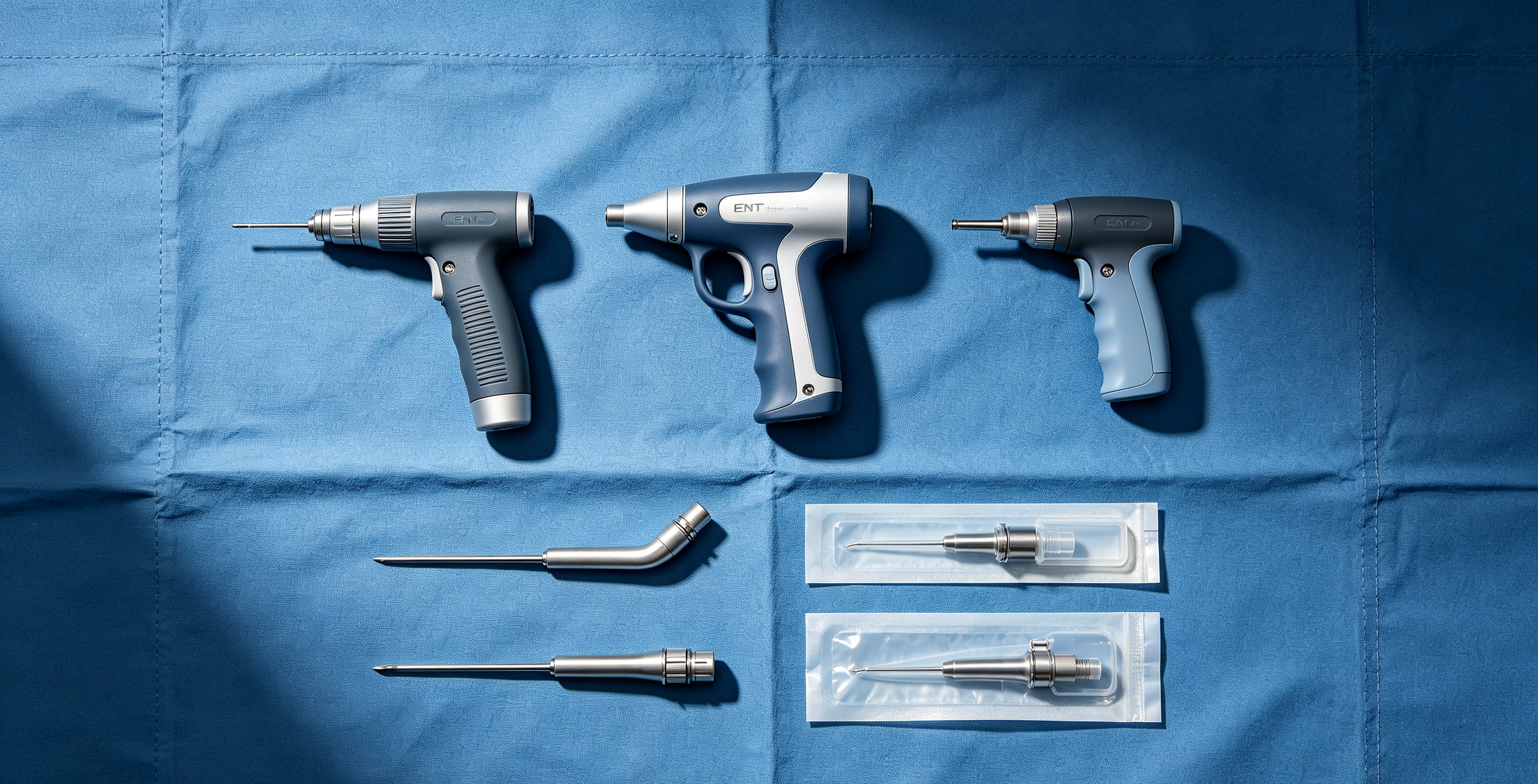
Different blades are designed for different surgical applications. Straight blades provide efficient suction and are commonly used in sinus surgery, while curved and low-profile blades can improve access to difficult anatomical areas. More aggressive blade designs may be selected for bulky or fibrotic tissue.
Some newer microdebriders offer 360-degree blade rotation and integration with surgical navigation systems. These features can be particularly useful during complex endoscopic sinus procedures.
Choosing the appropriate blade depends on the target tissue, anatomical location, and surgeon preference.
Safety and Potential Complications
The microdebrider has a well-established safety profile when used under direct visualization by trained surgeons.
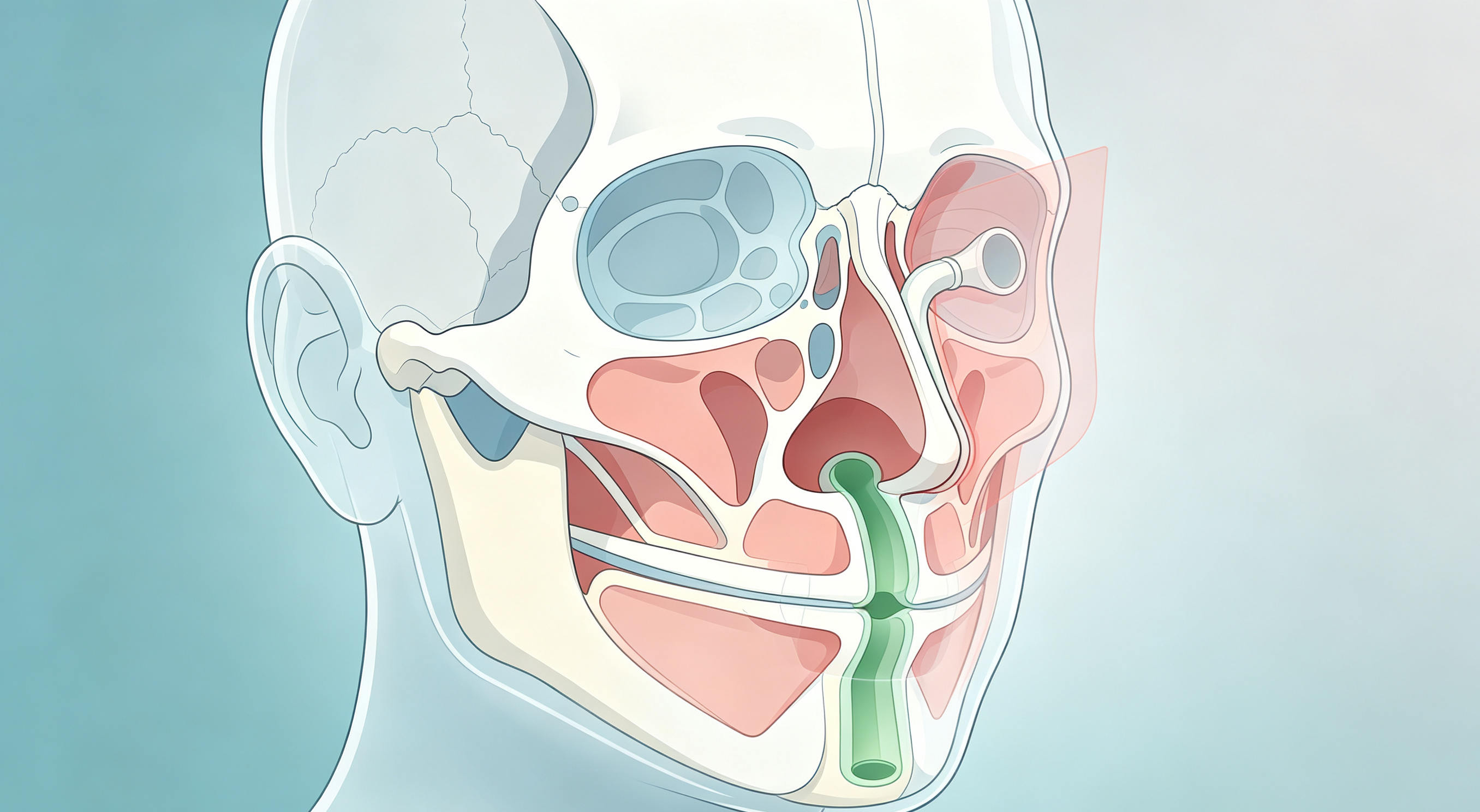
Potential device-related problems include overheating, blade damage, and material separation. The primary surgical concern is unintended tissue removal, particularly when operating close to delicate structures such as the orbit or skull base.
Proper visualization, appropriate suction settings, careful blade selection, and controlled hand movements are essential for safe use.
Unlike lasers and some electrosurgical devices, the microdebrider does not generate a thermal cutting beam, so it does not present the same type of surgical fire risk associated with laser or high-temperature energy devices.
Frequently Asked Questions
Q: Is the microdebrider better than curettes?
A: It depends on the procedure. A microdebrider provides continuous suction, direct visualization, and controlled tissue removal, while curettes may be faster or more practical for certain procedures. The choice depends on the anatomy, tissue characteristics, and surgeon preference.
Q: Does microdebrider surgery hurt?
A: Postoperative discomfort is generally manageable, but pain varies according to the procedure. Recovery after adenoidectomy, turbinate surgery, and sinus surgery can differ considerably.
Q: How long do results of microdebrider turbinate reduction last?
A: Clinical studies have reported sustained improvement for several years following microdebrider turbinate reduction. Long-term results depend on the underlying cause of nasal obstruction and the patient's individual condition.
Q: What surgeries use the microdebrider?
A: Common applications include endoscopic sinus surgery, adenoidectomy, turbinate reduction, selected laryngeal procedures, and other ENT airway surgeries. These applications have made the microdebrider an important part of modern microdebrider ent practice.
Conclusion
The microdebrider has become an important tool in modern ENT surgery because it combines precise tissue removal with continuous suction and endoscopic visualization.
Its applications range from endoscopic sinus surgery and adenoidectomy to microdebrider turbinate reduction and selected laryngeal procedures. With different blade designs, adjustable settings, and increasingly advanced navigation and control features, the modern microdebrider gives ENT surgeons greater control over tissue removal while helping preserve surrounding structures.
For surgeons and medical device professionals, understanding the differences between microdebrider systems and blade designs is essential when selecting the right equipment for specific ENT procedures.